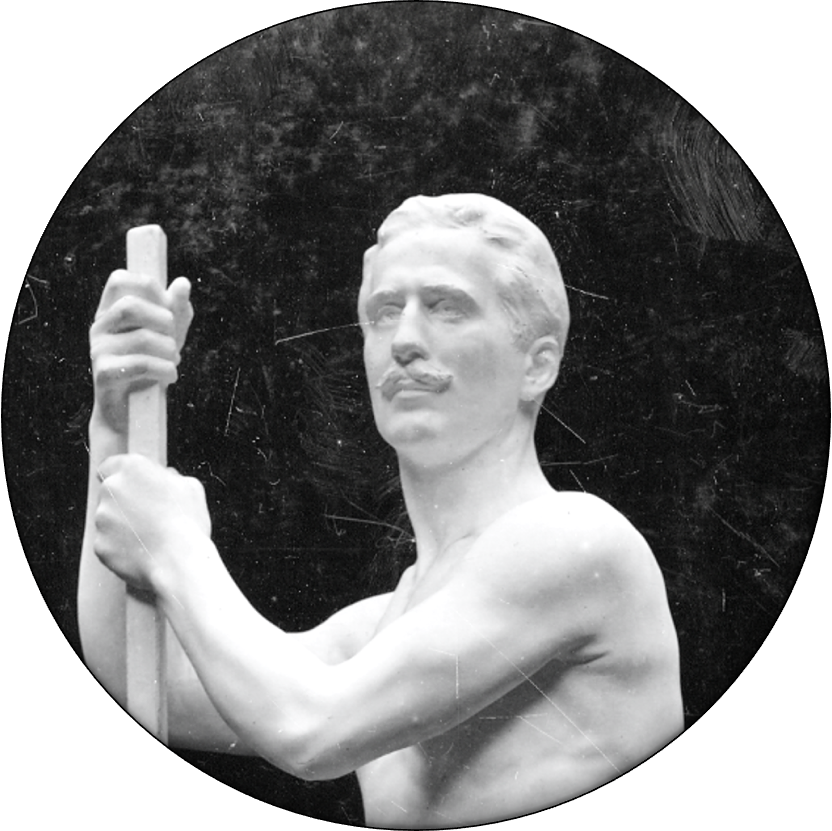
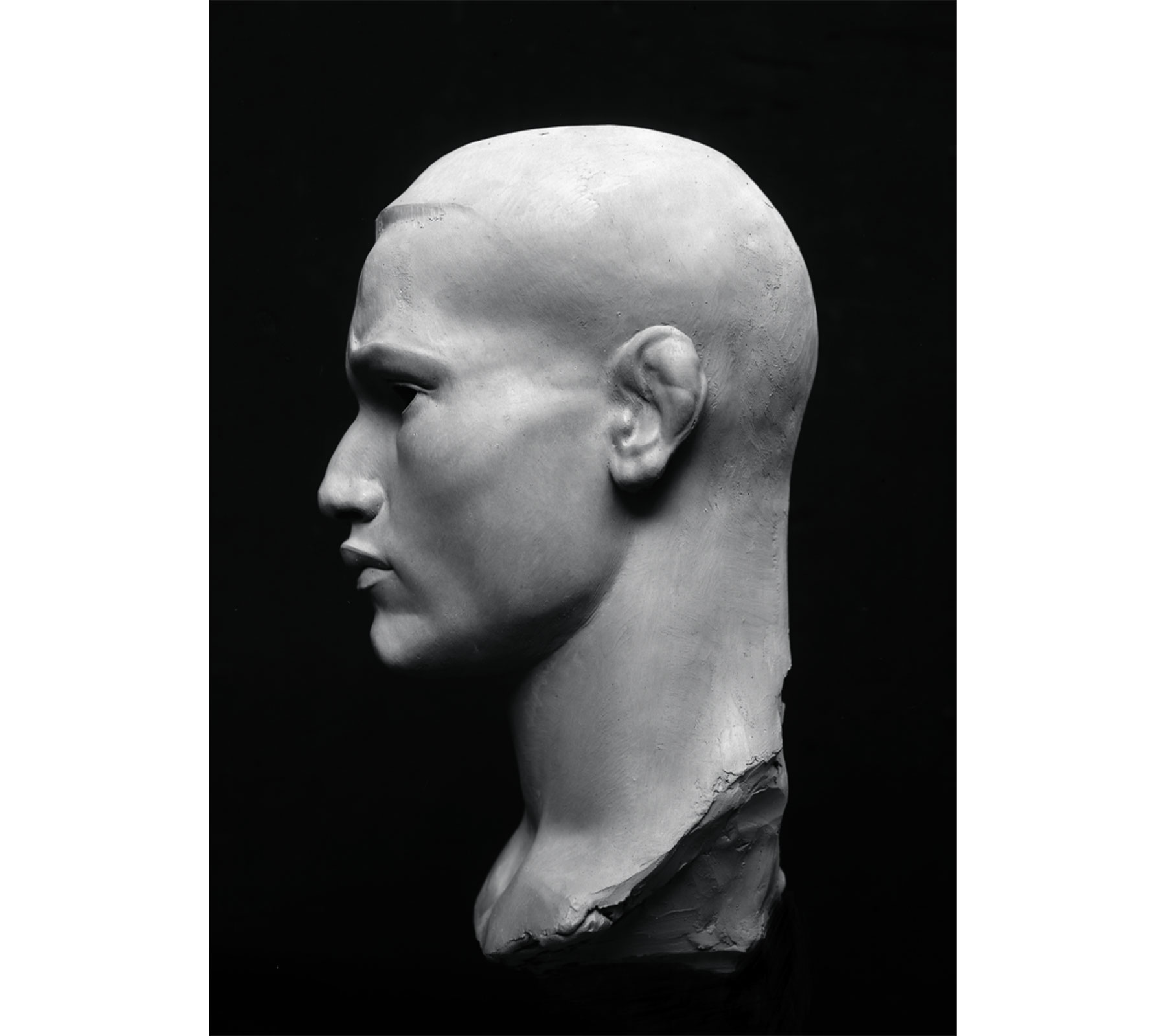
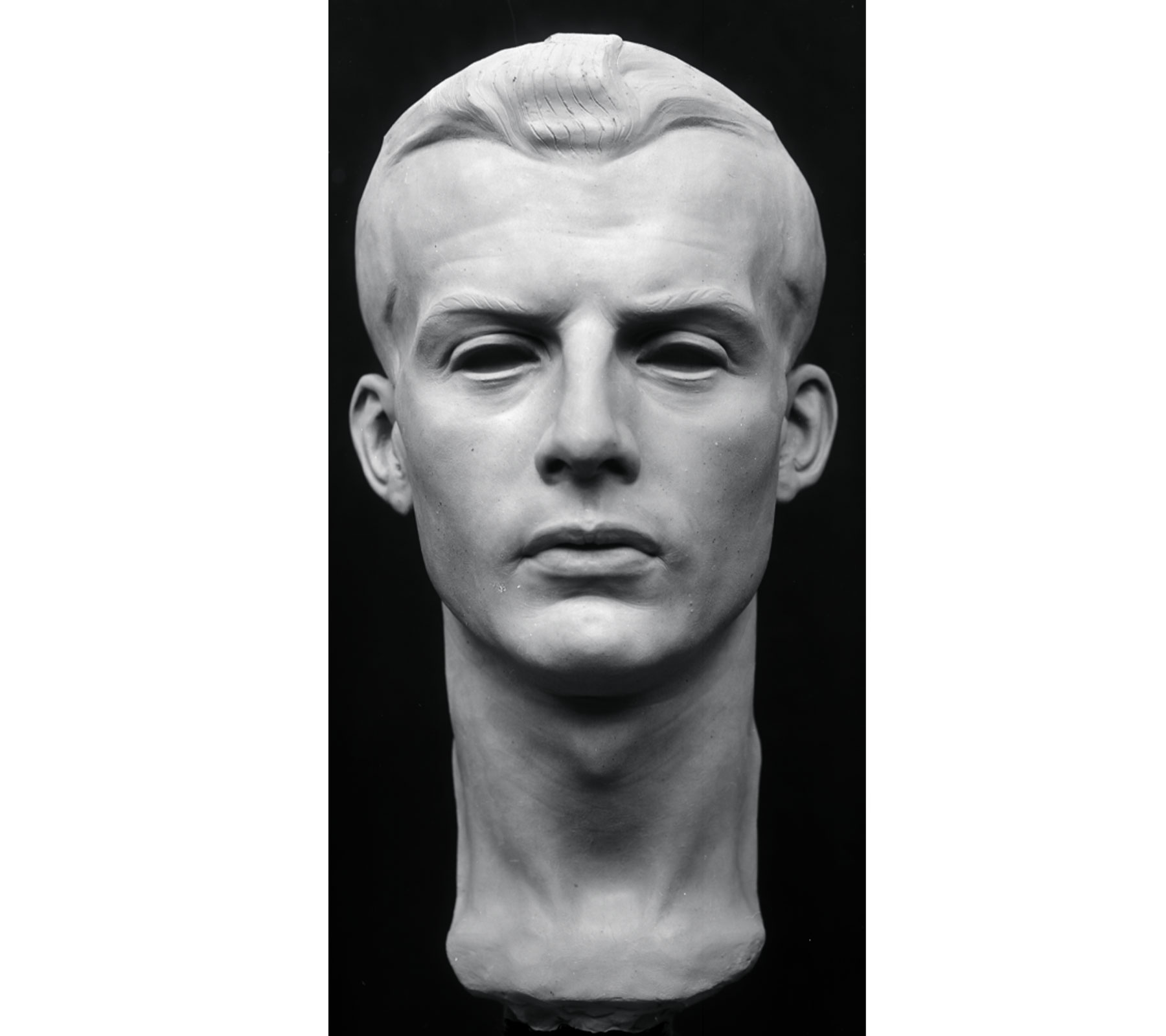
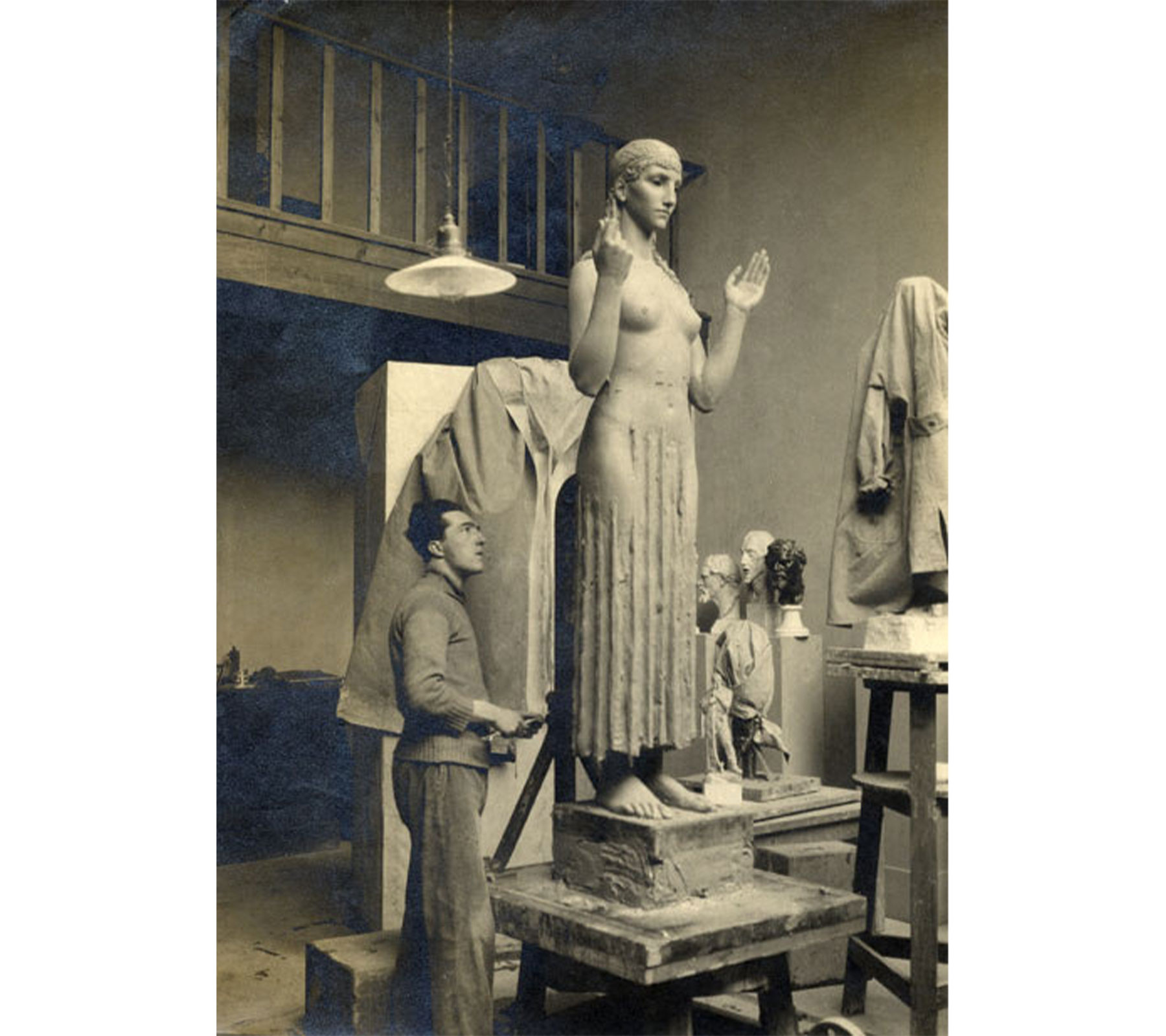
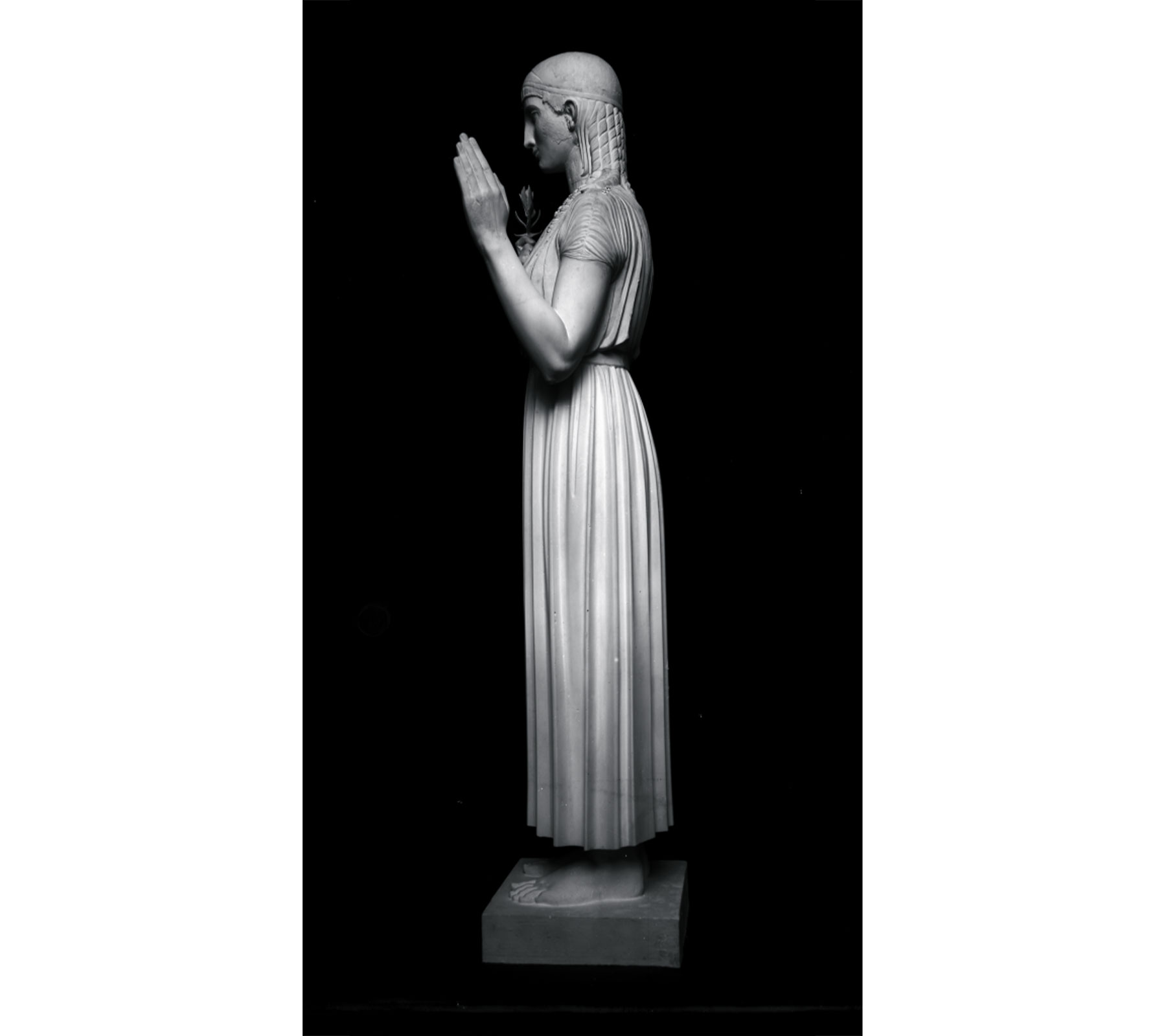
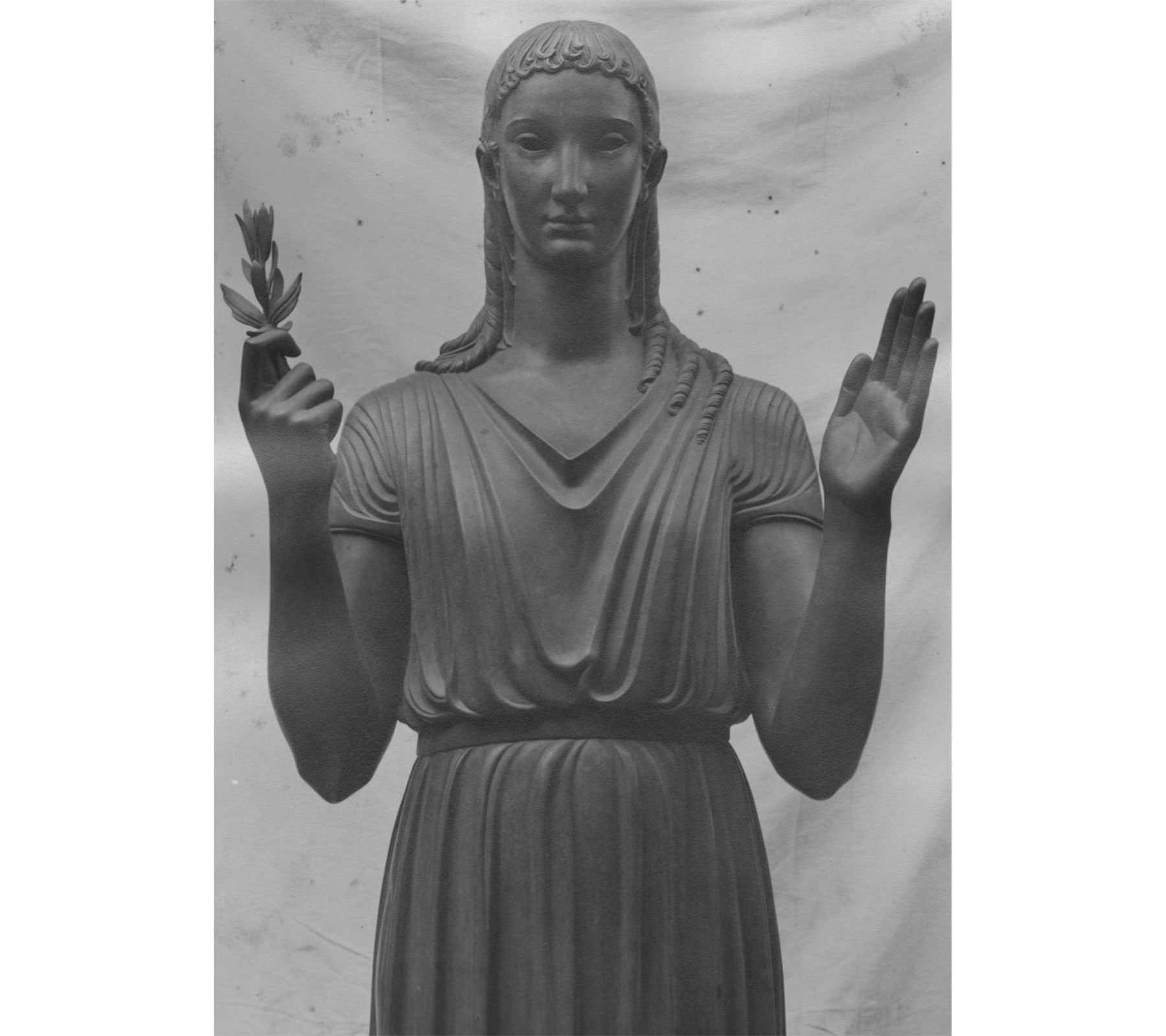
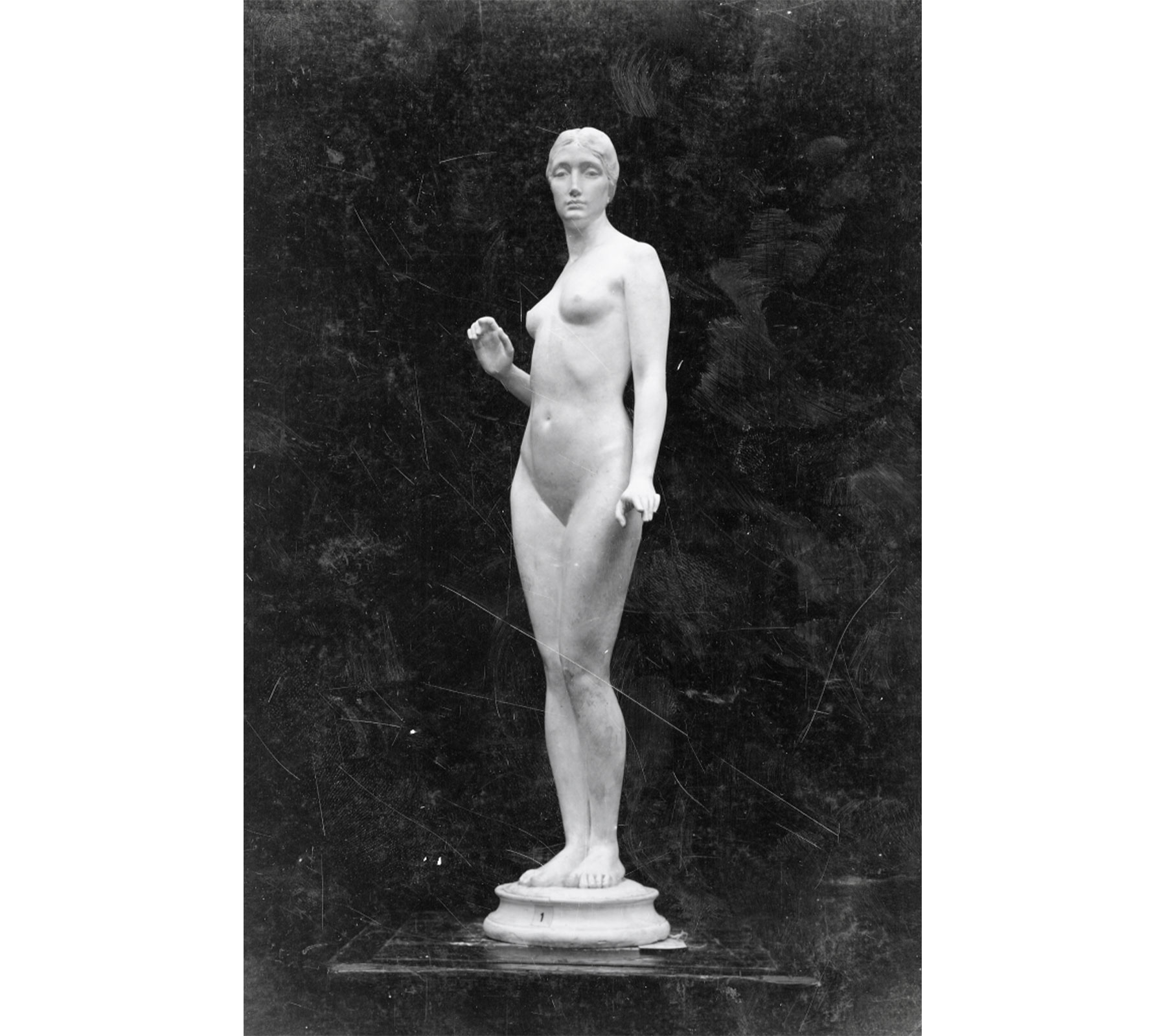
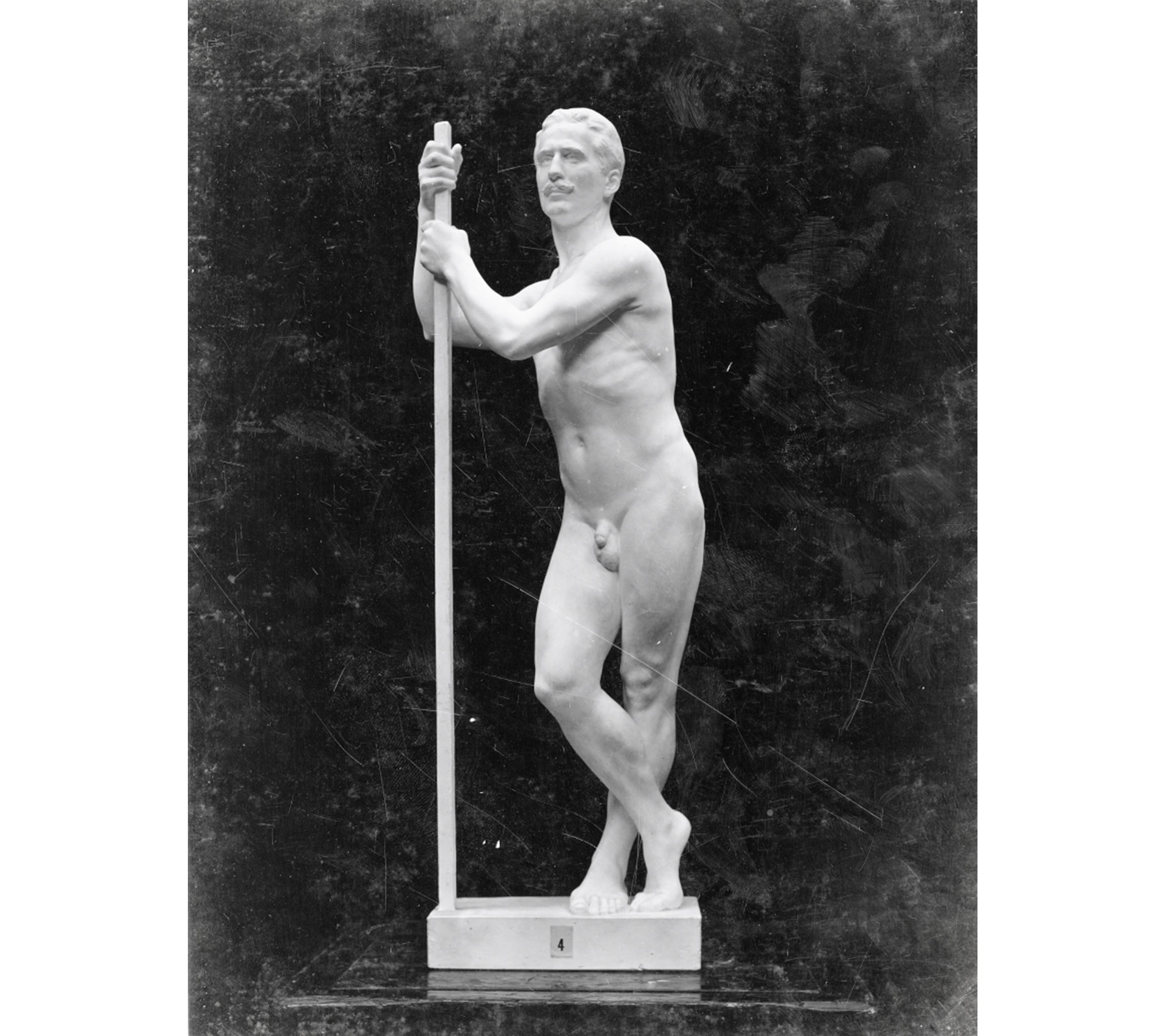
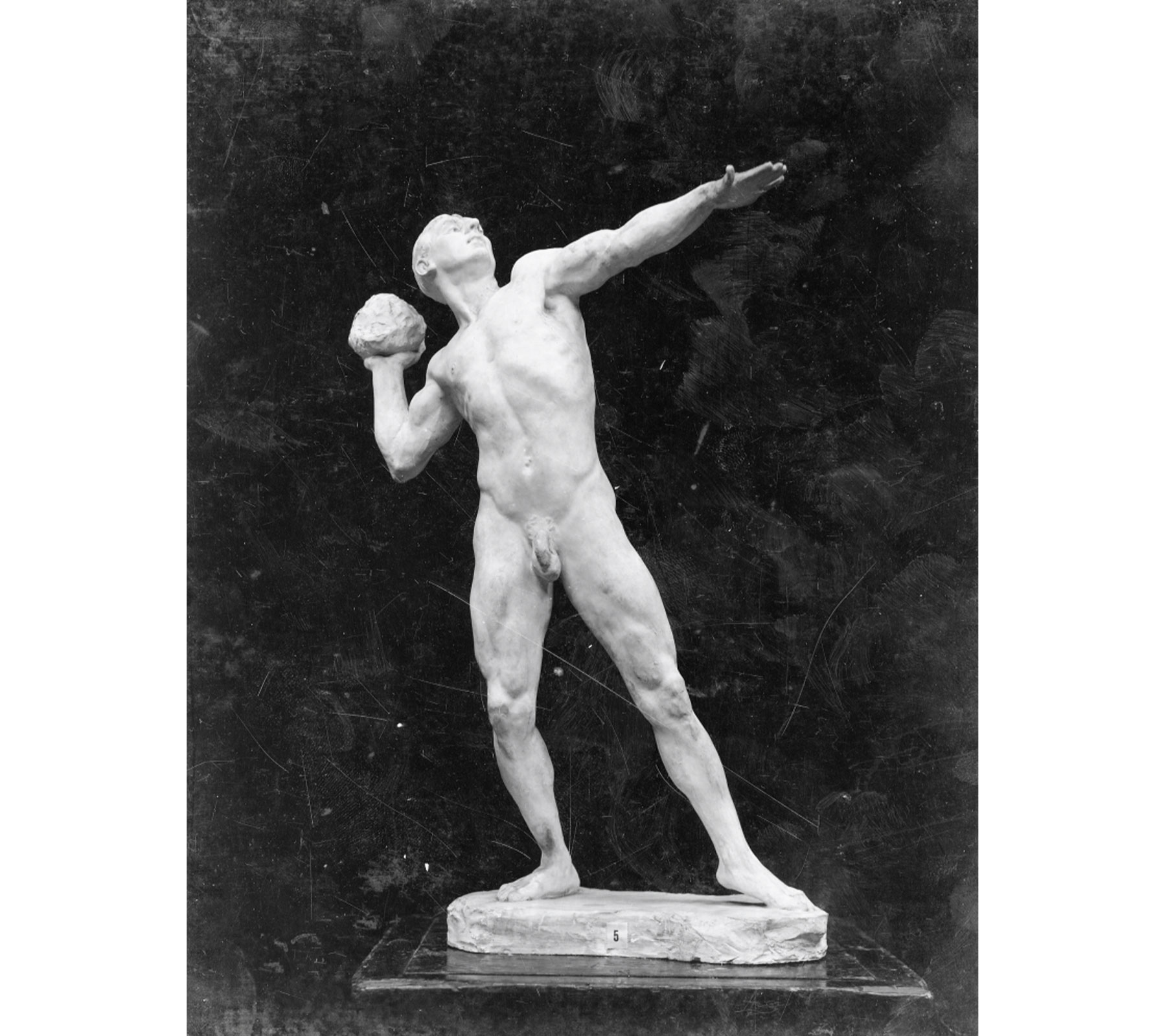
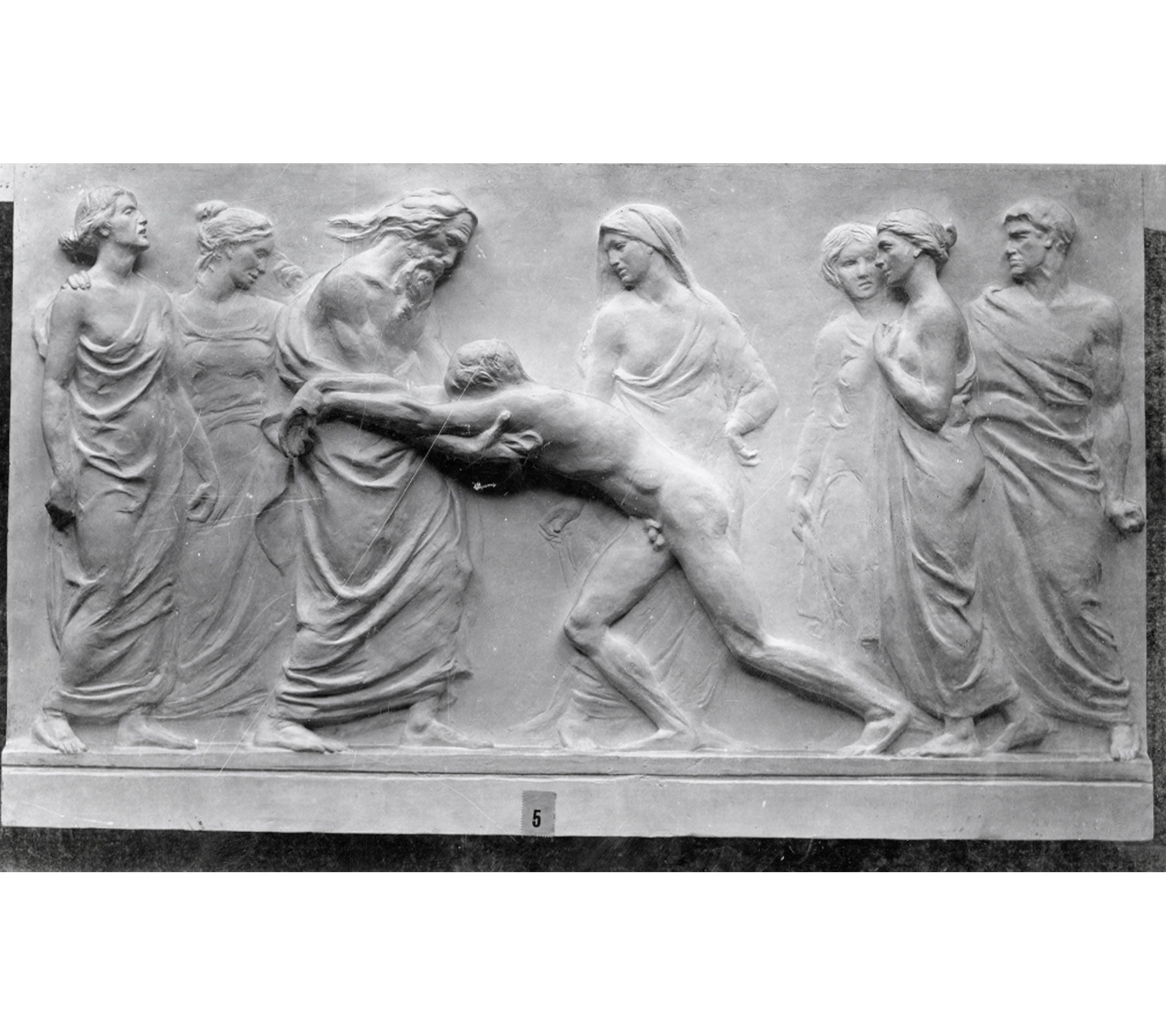
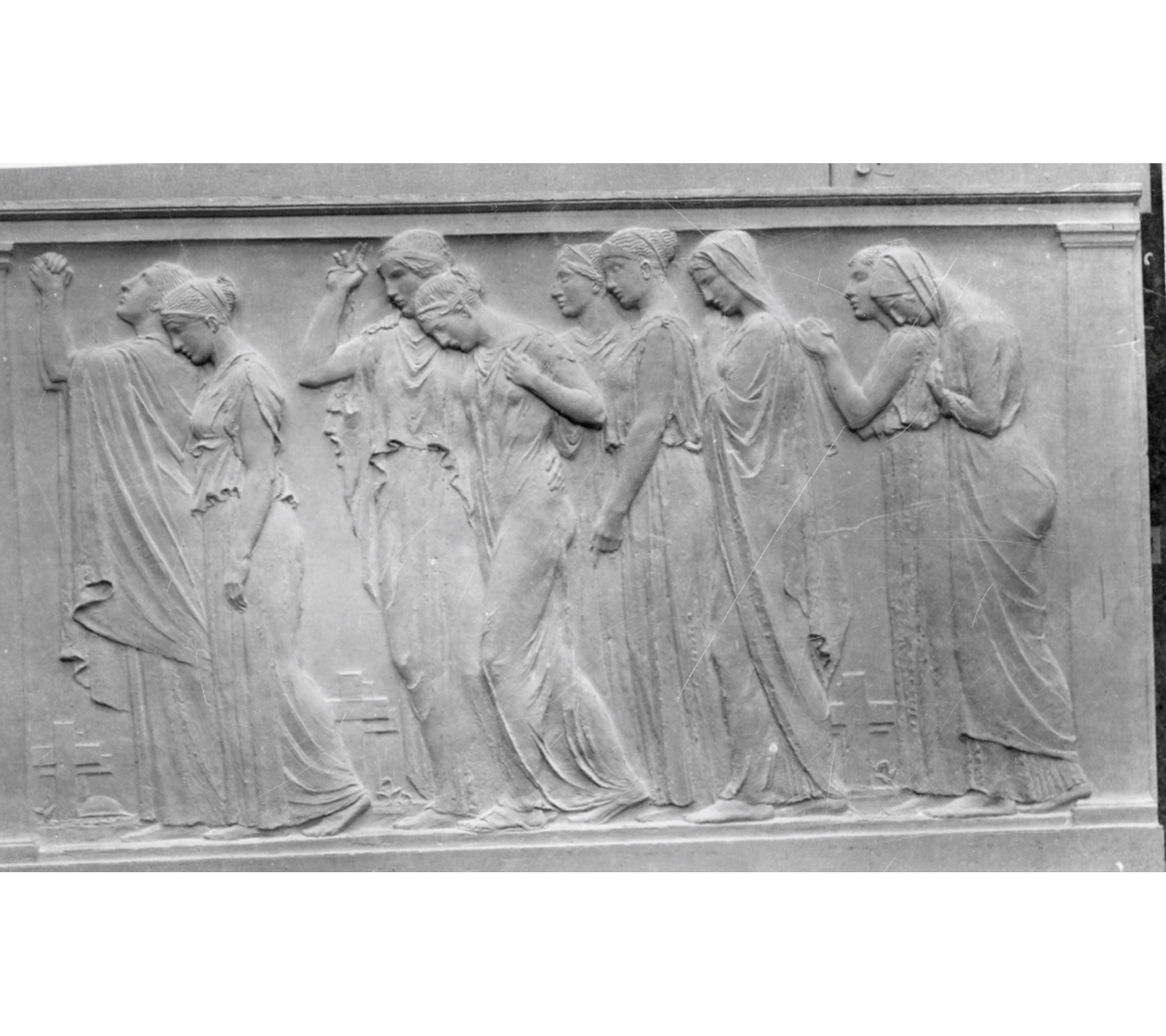
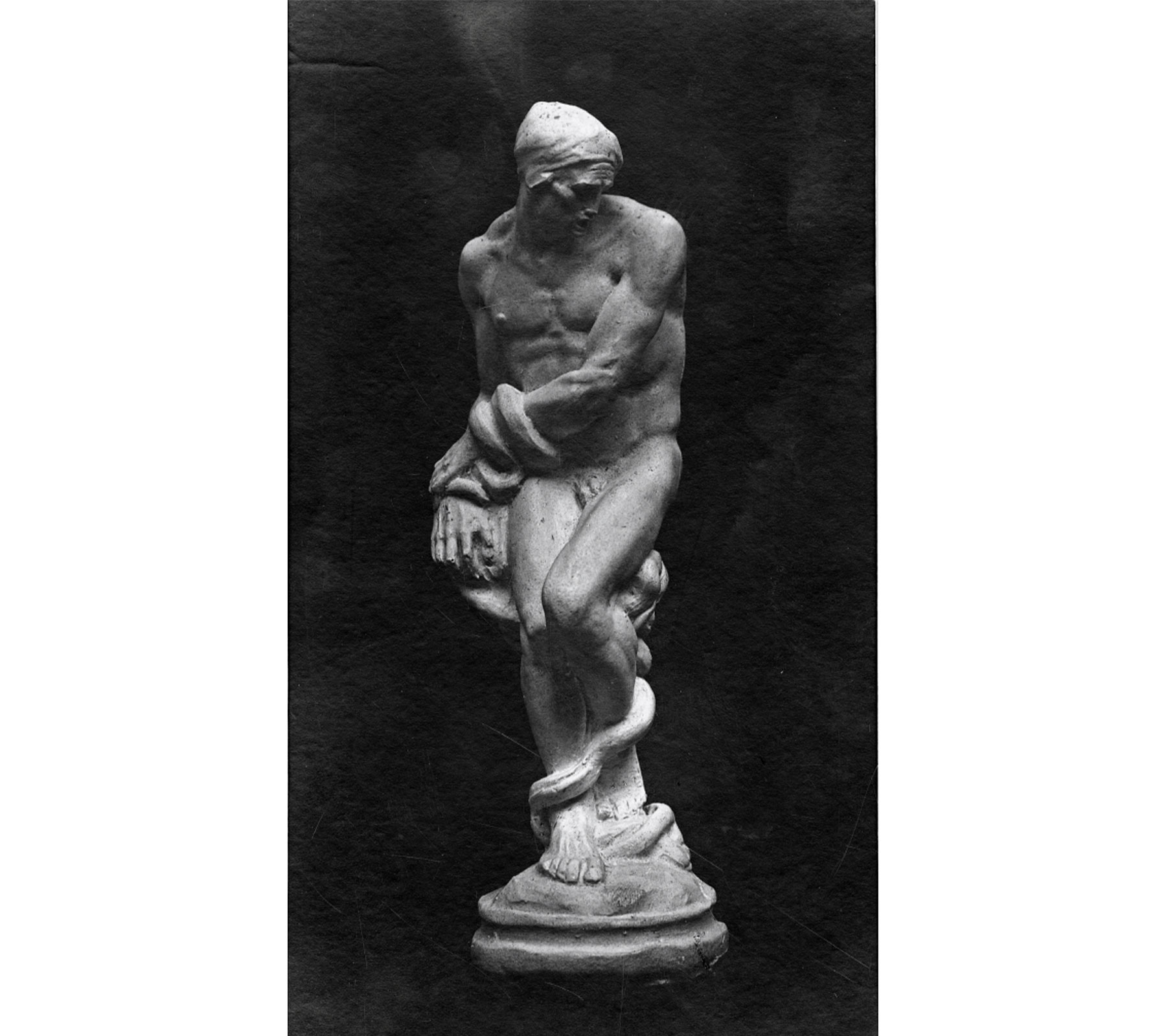
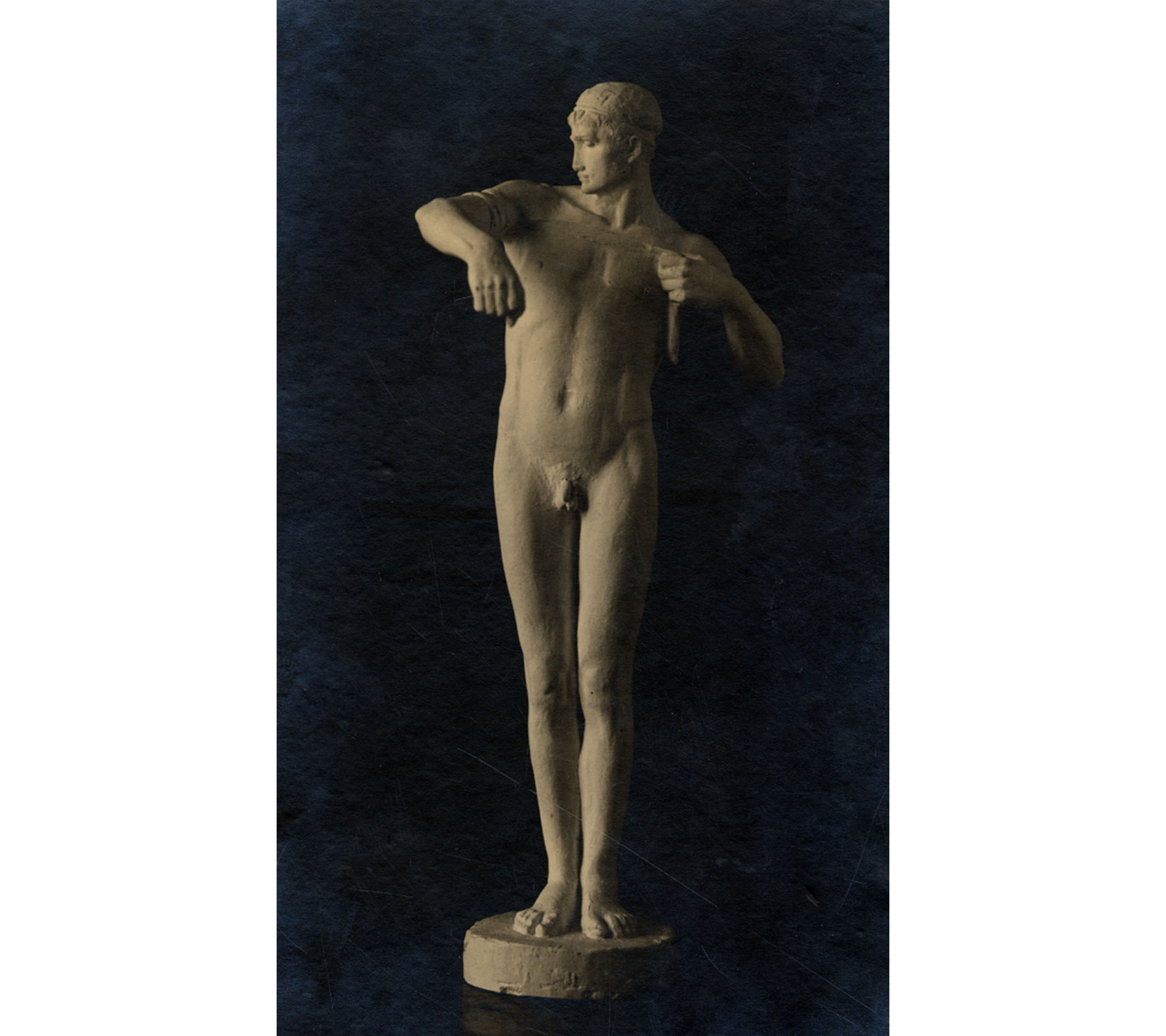
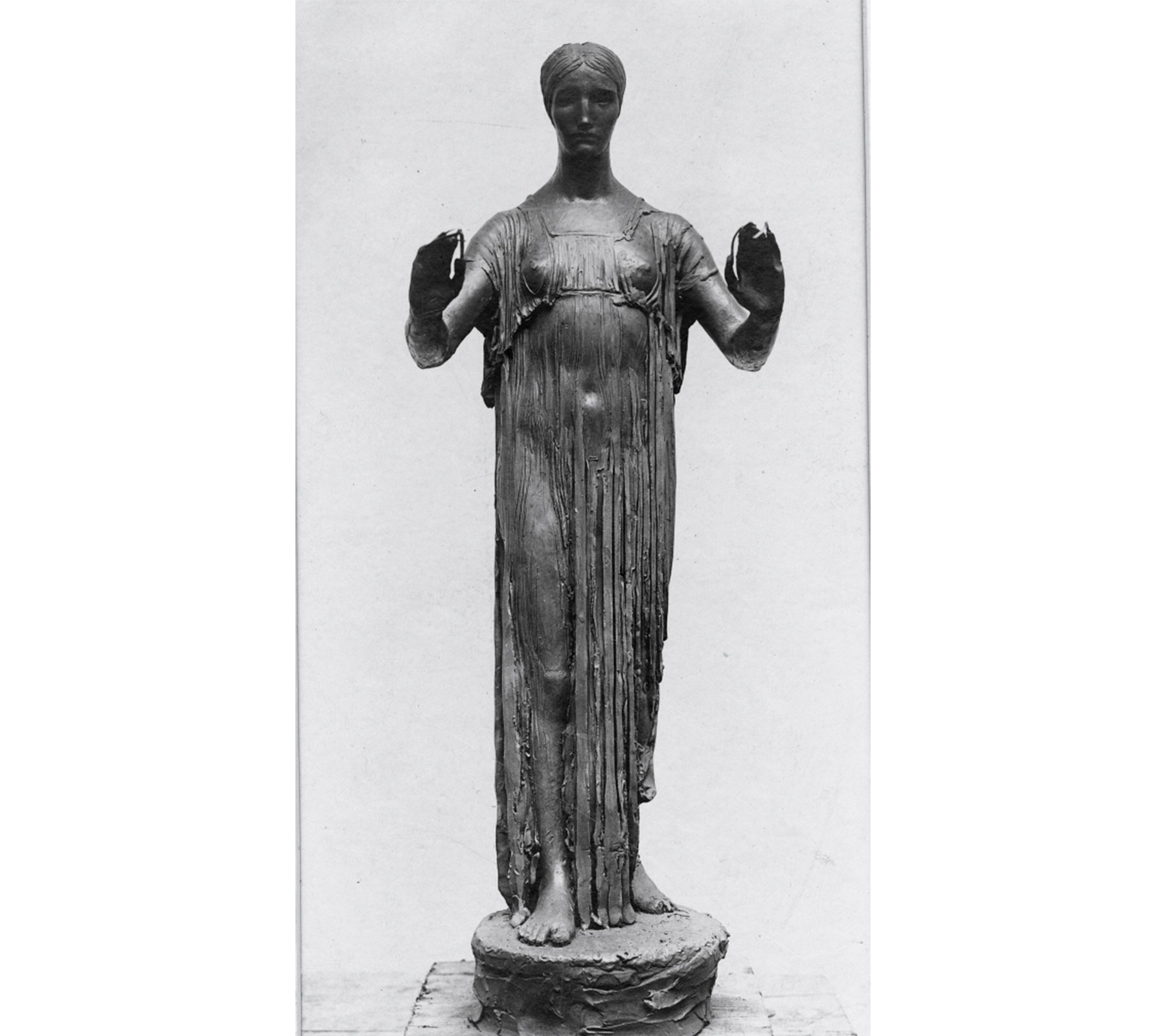
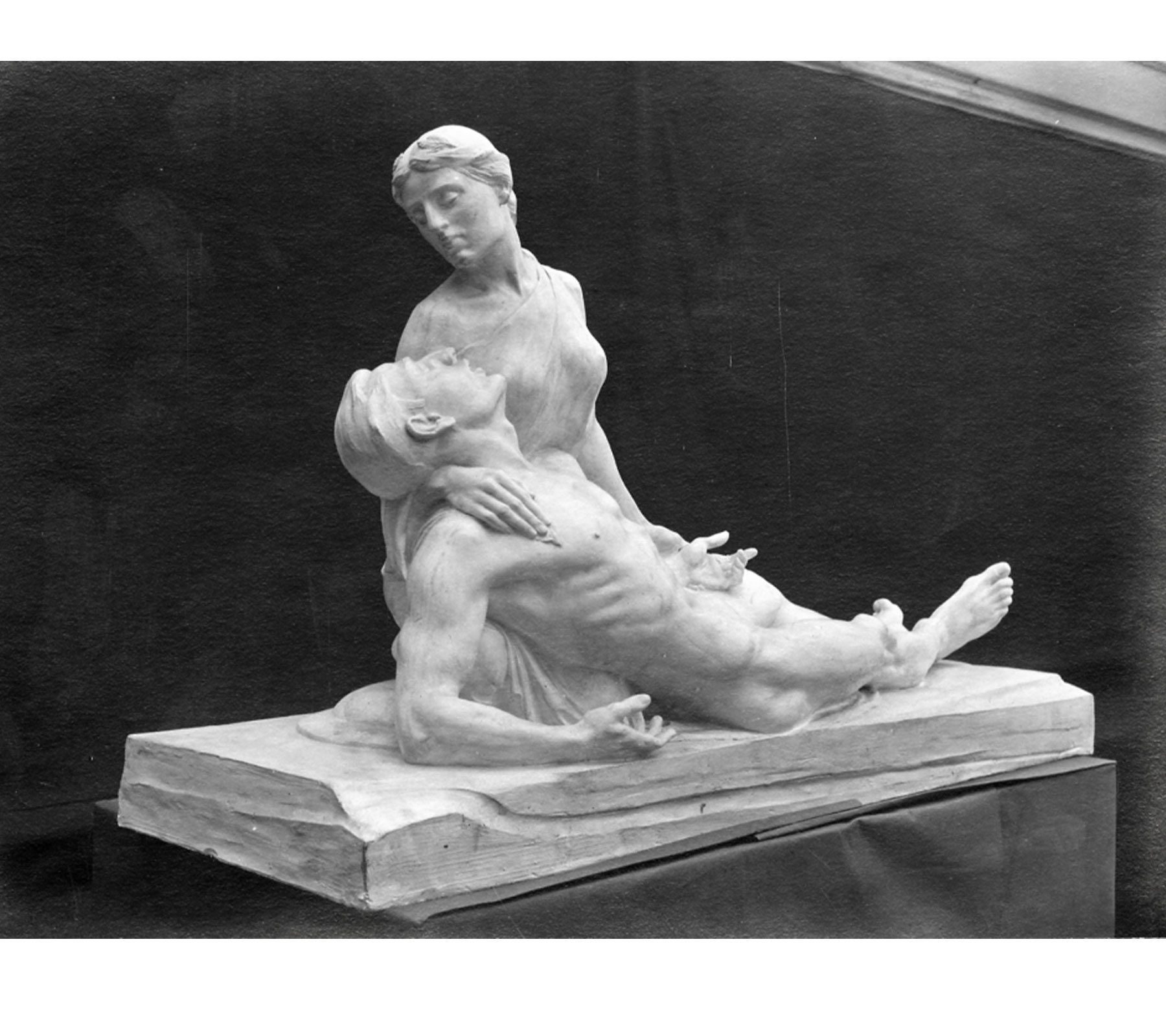
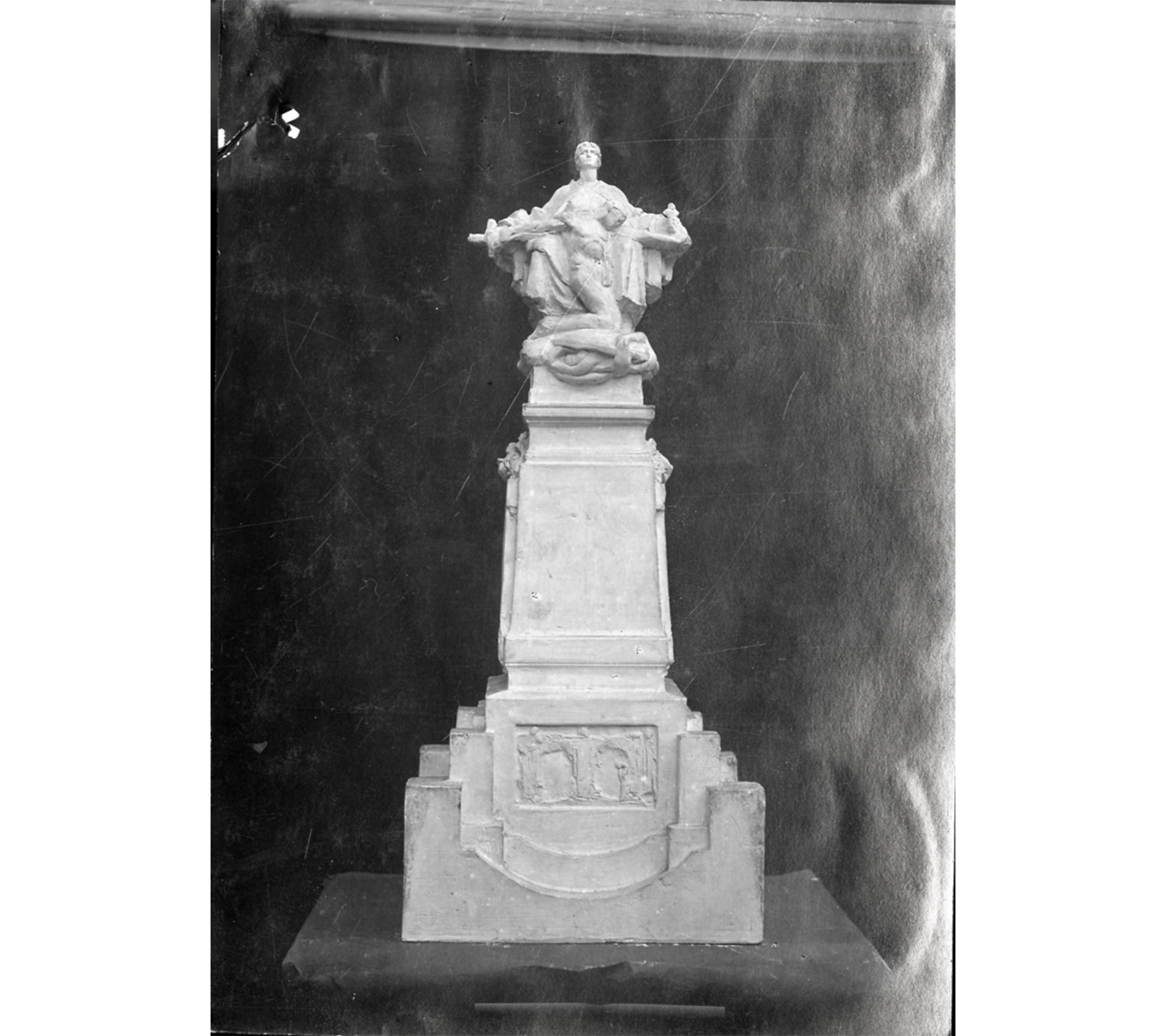
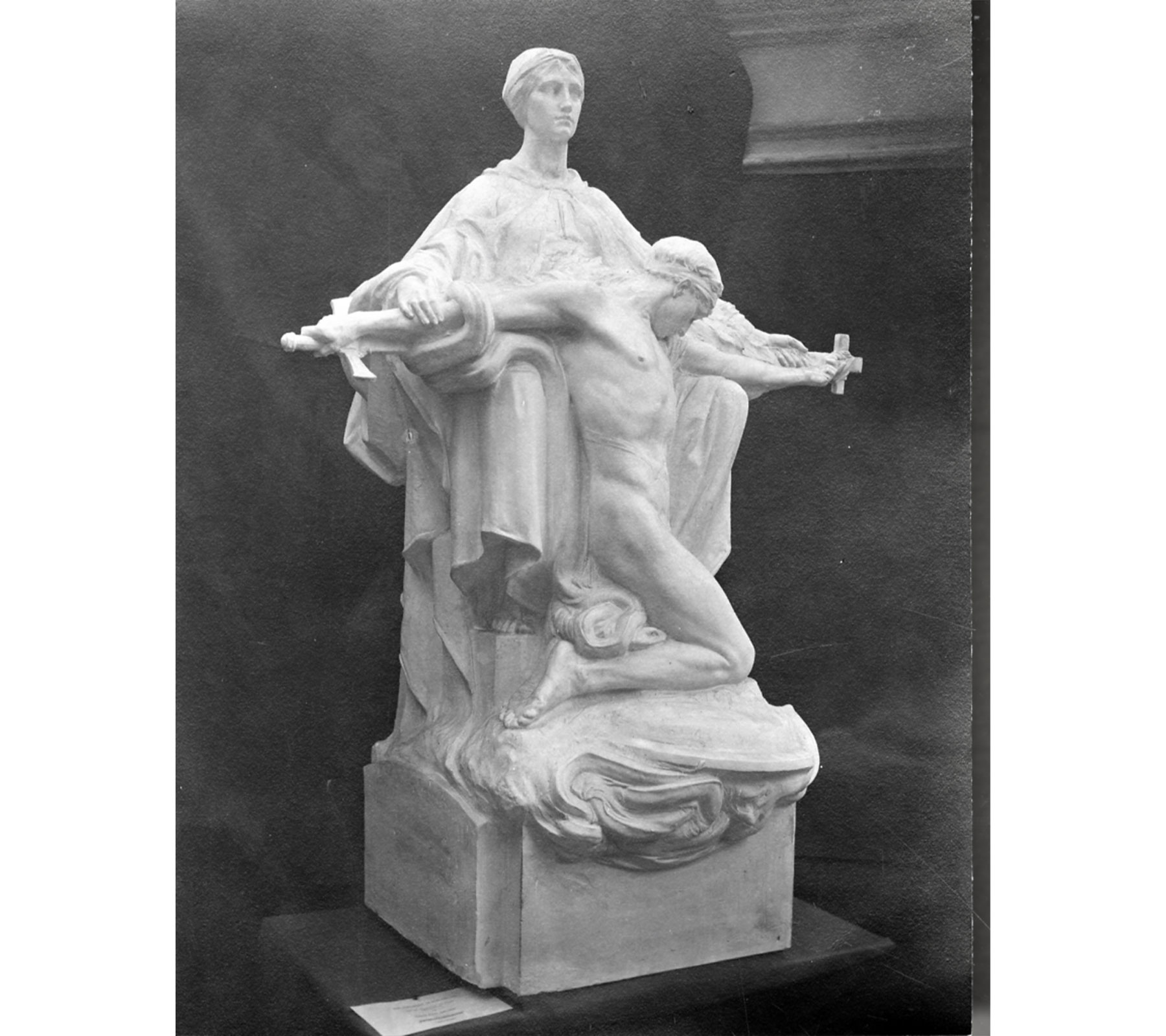
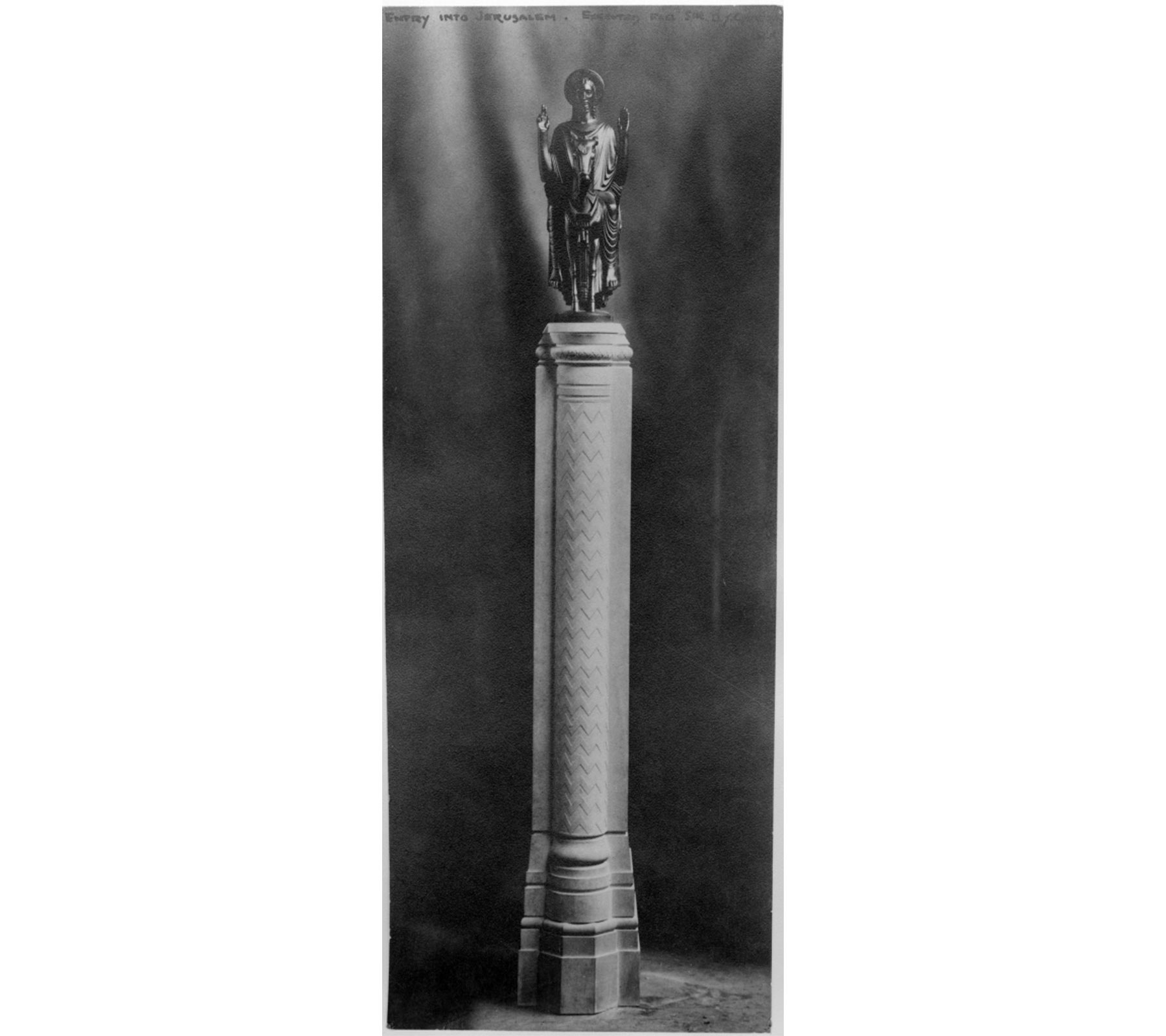
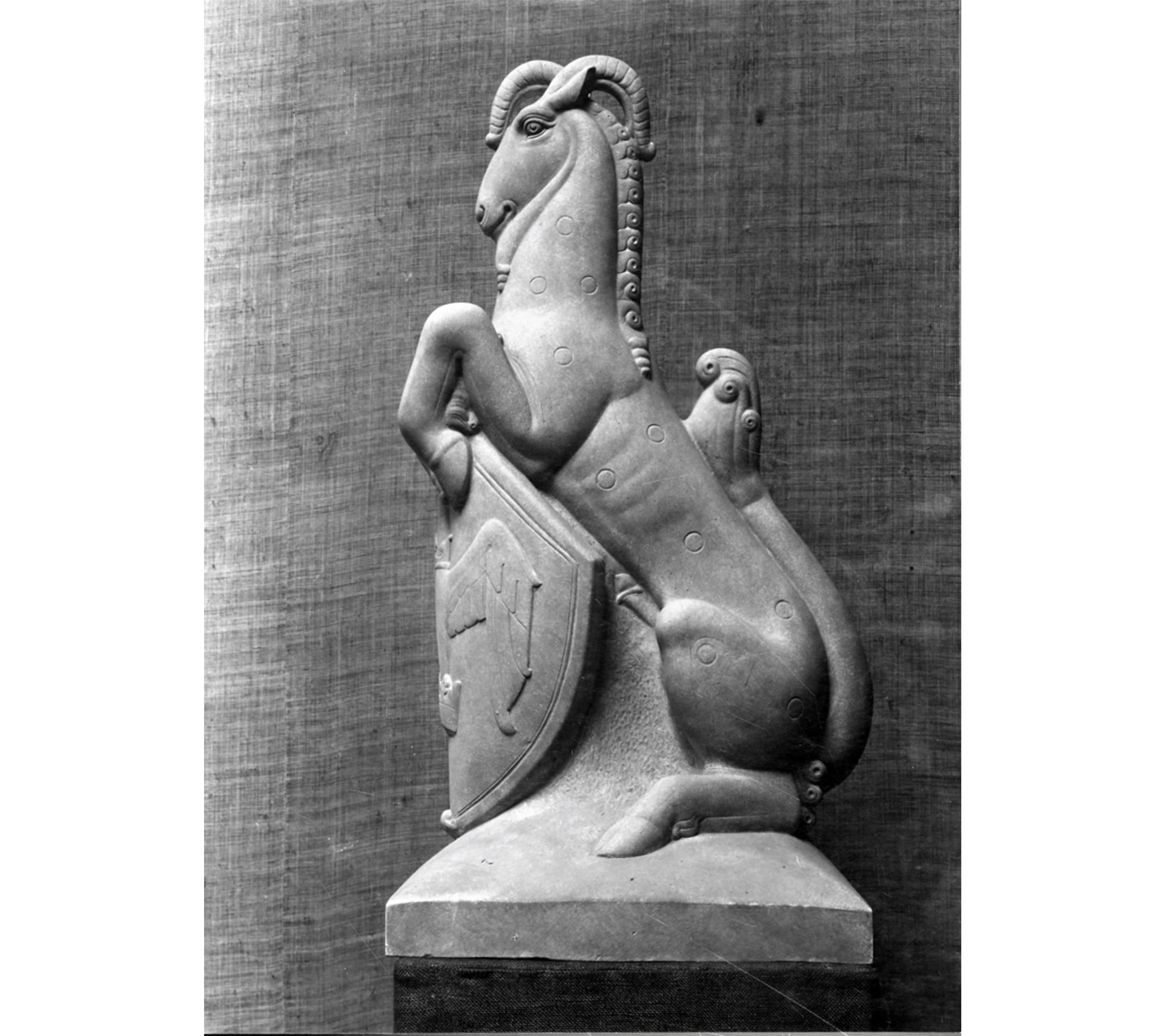
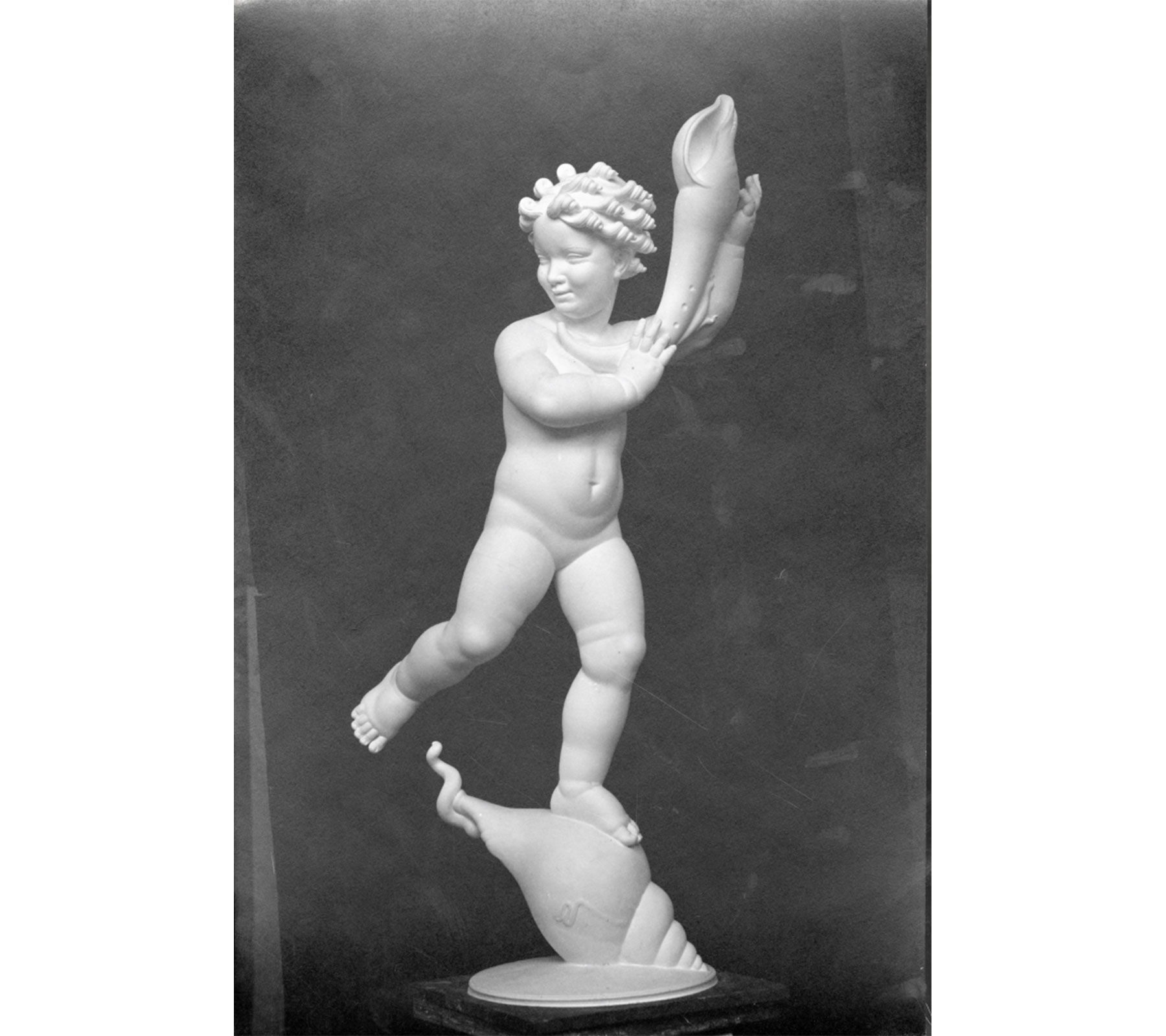
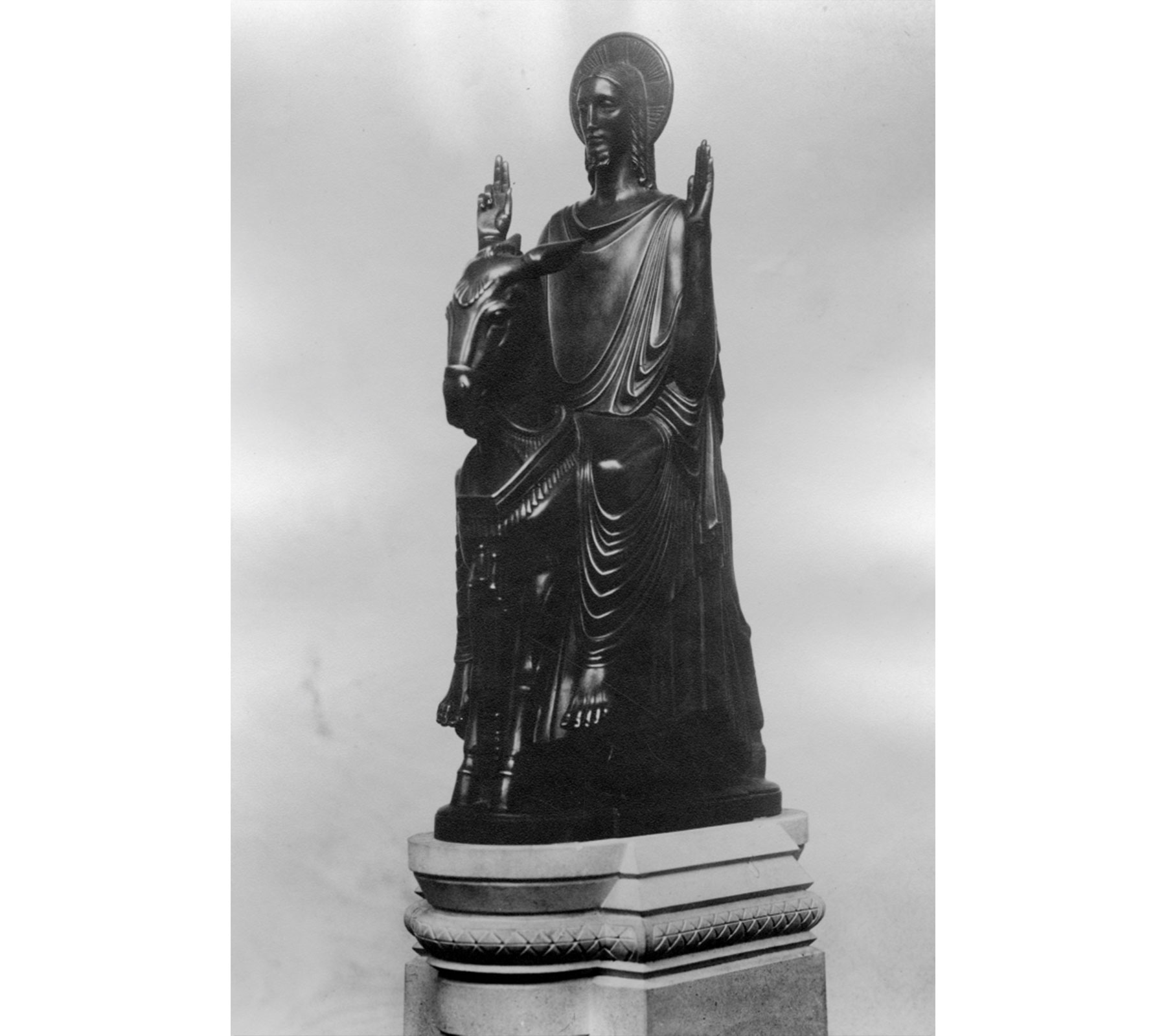
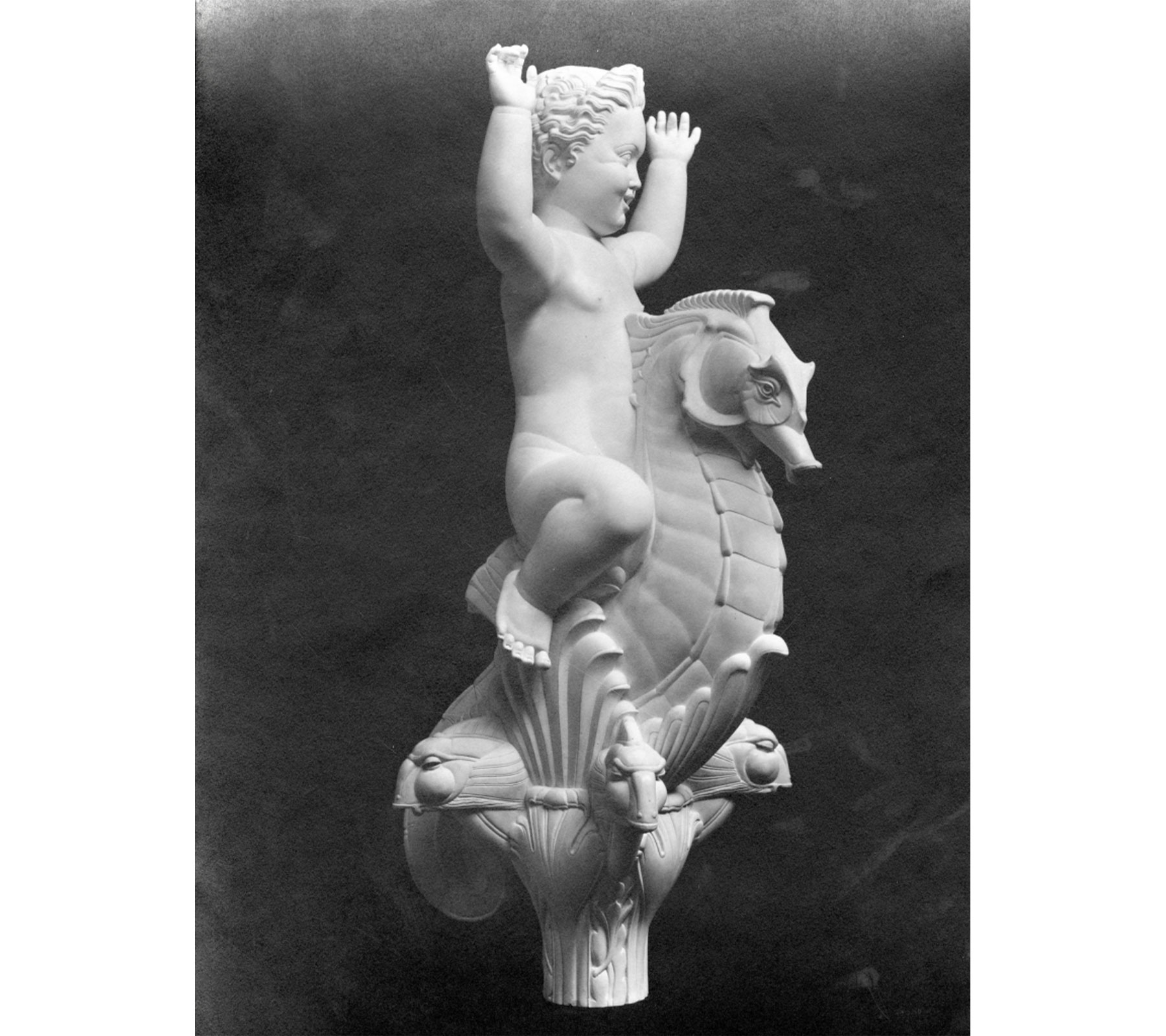
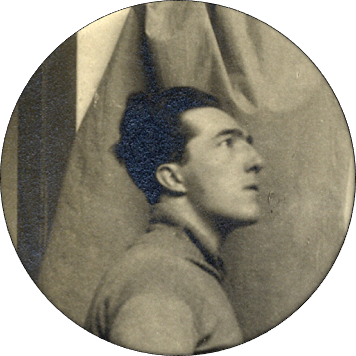
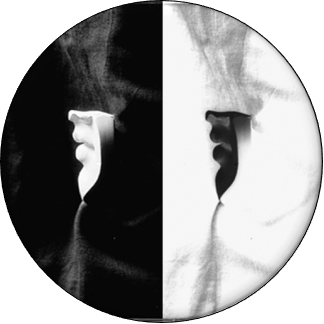
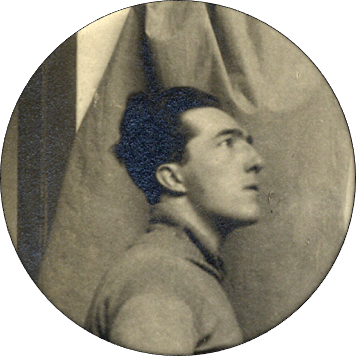
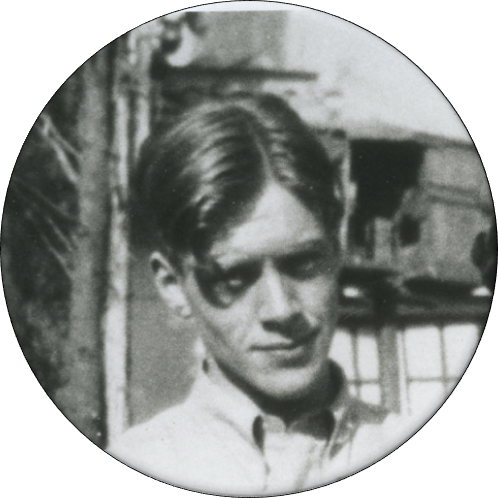
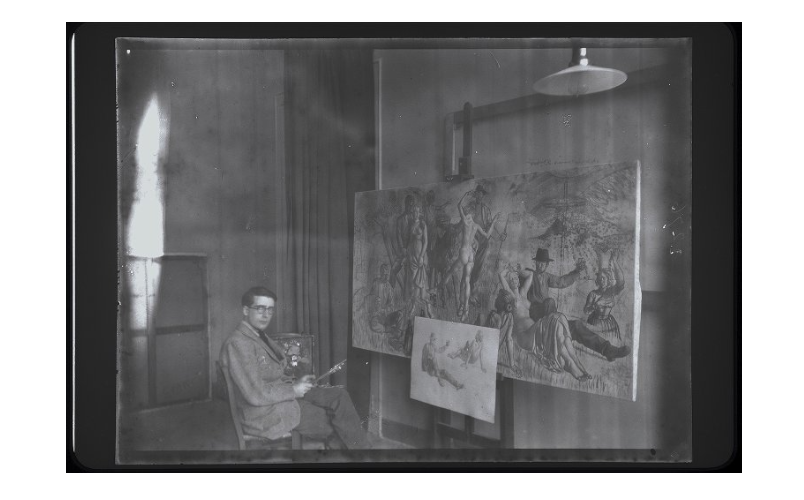
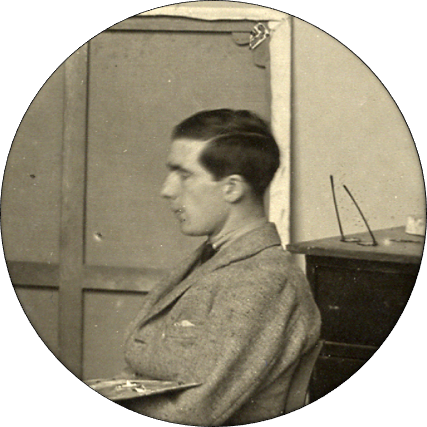
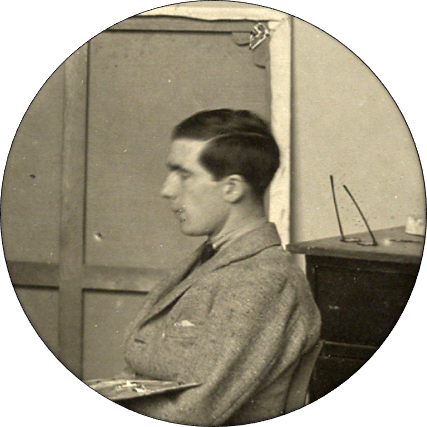
There are several intriguing black and white images relating to the sculptor Alfred Hardiman (1891-1949) at the BSR archive. These images show him working in his studio and several works in progress.
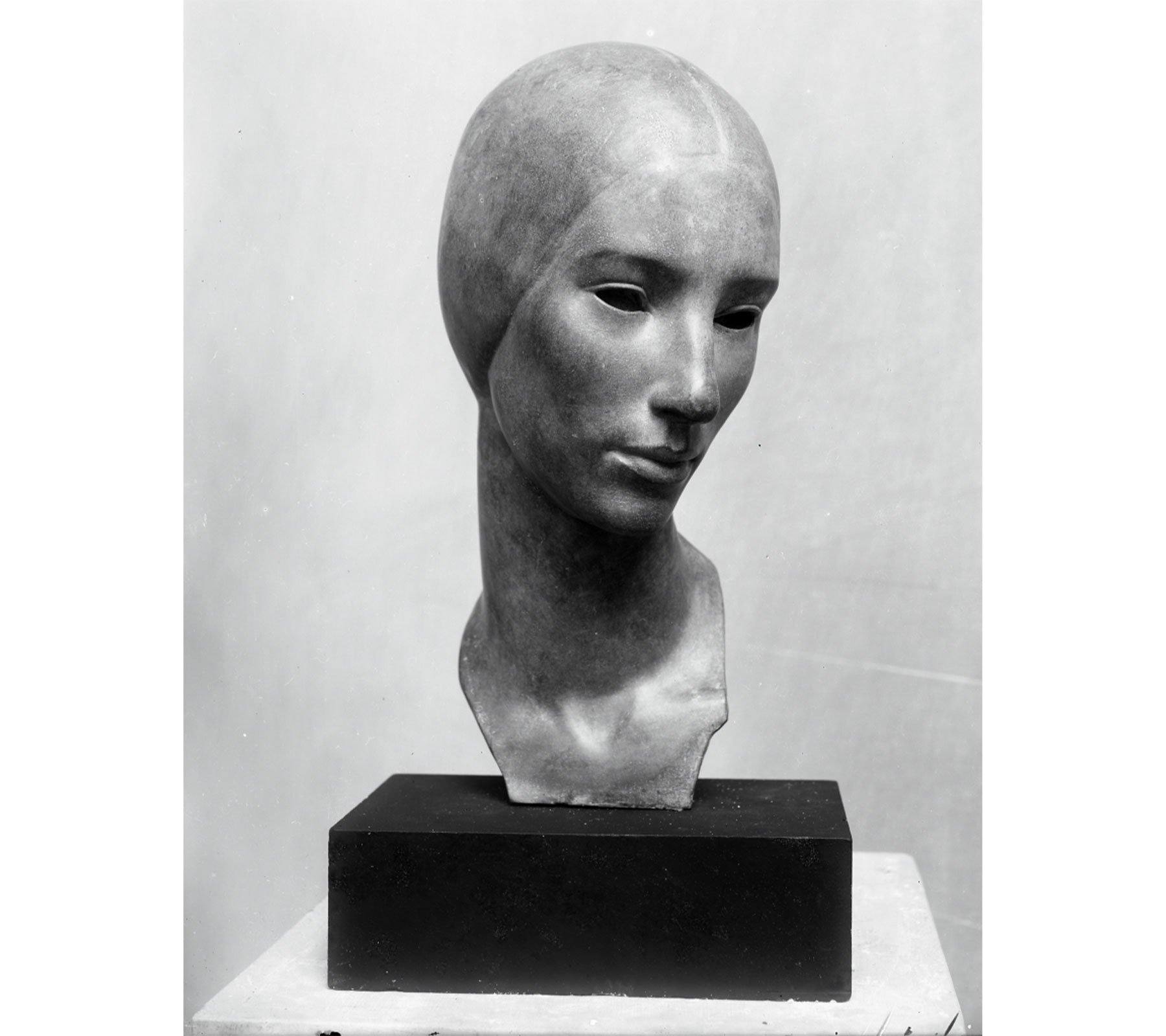
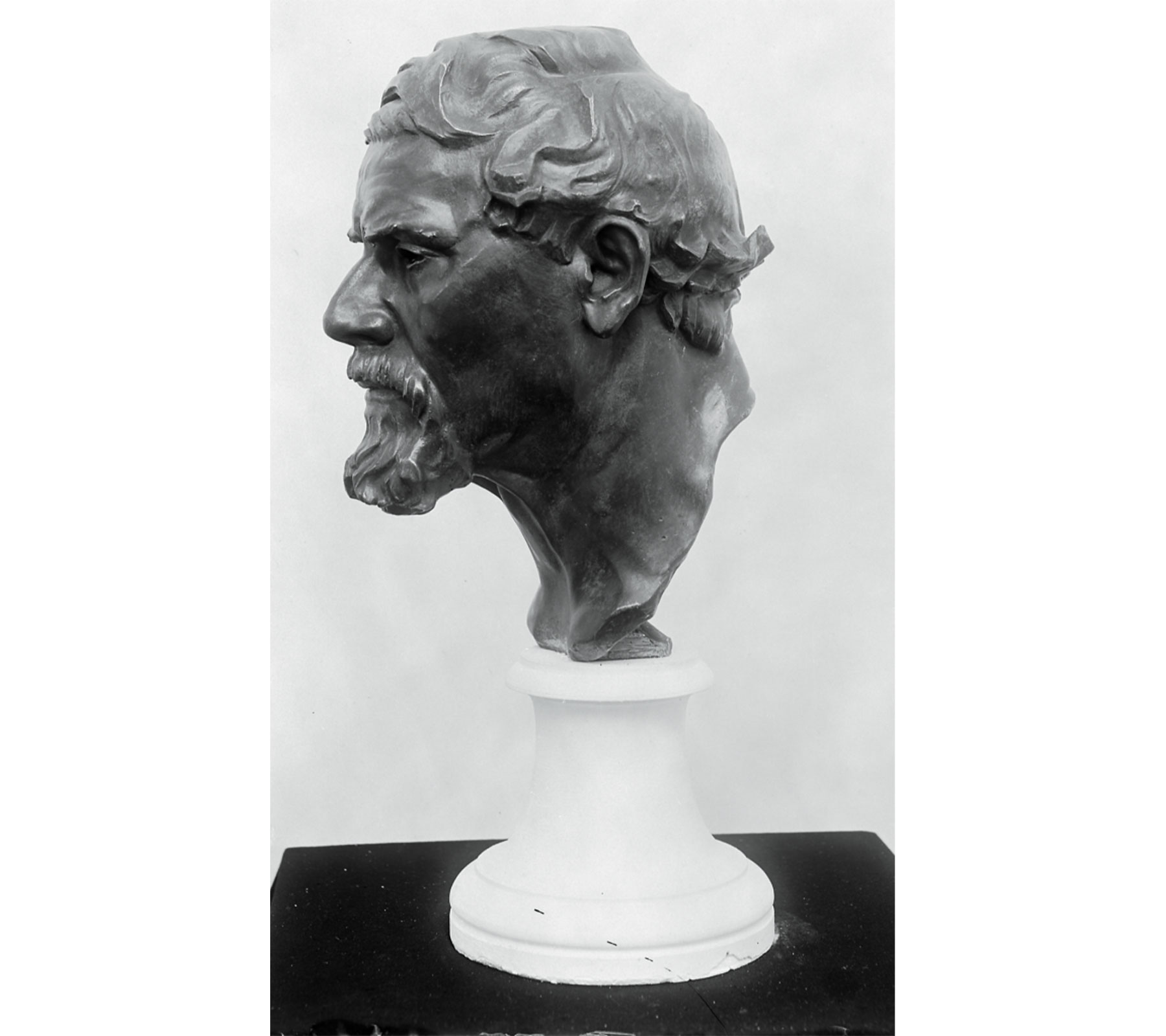
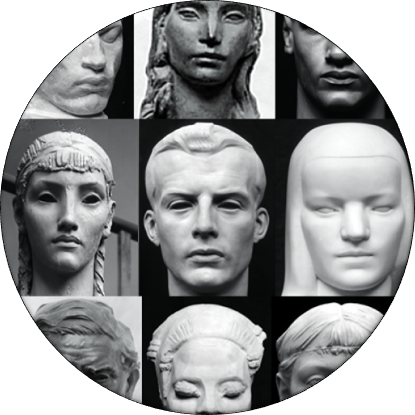
Many images also document Hardiman’s busts, including studies he made for busts of Thomas Ashby (1874-1931) and Winifred Knights (1899-1947).
Alfred Hardiman collection, Bust of Winifred Knights (BSR Fine Arts Archive))
Alfred Hardiman collection (BSR Fine Arts Archive)
Alfred Hardiman collection (BSR Fine Arts Archive)
Alfred Hardiman collection (BSR Fine Arts Archive)
The archive also holds Hardiman’s Rome prize medal and application form and correspondence he made with with BSR Honorary Secretary Evelyn Shaw and other staff members. One can also find Hardiman’s recommendations for the BSR library such as books on Rodin.
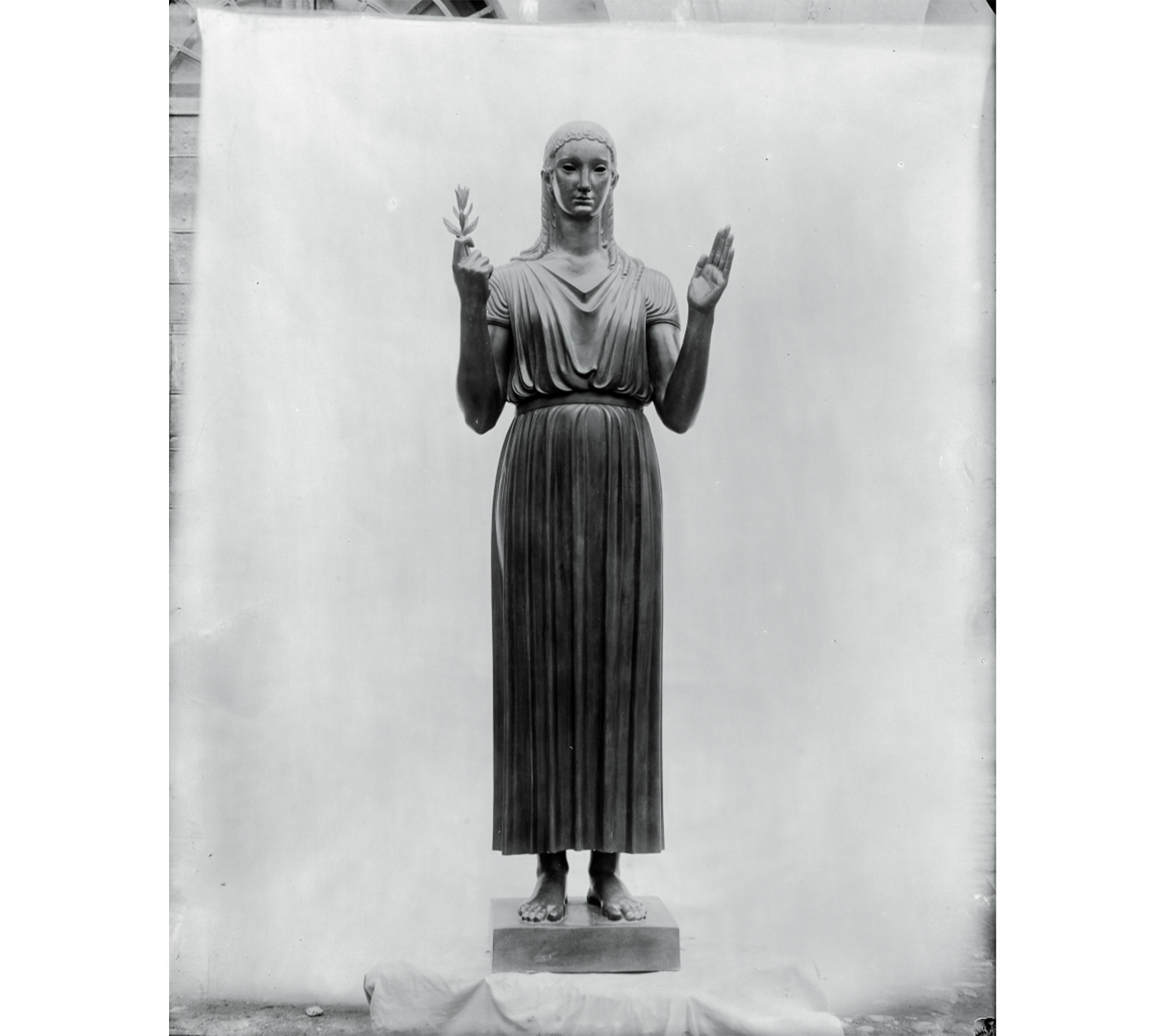
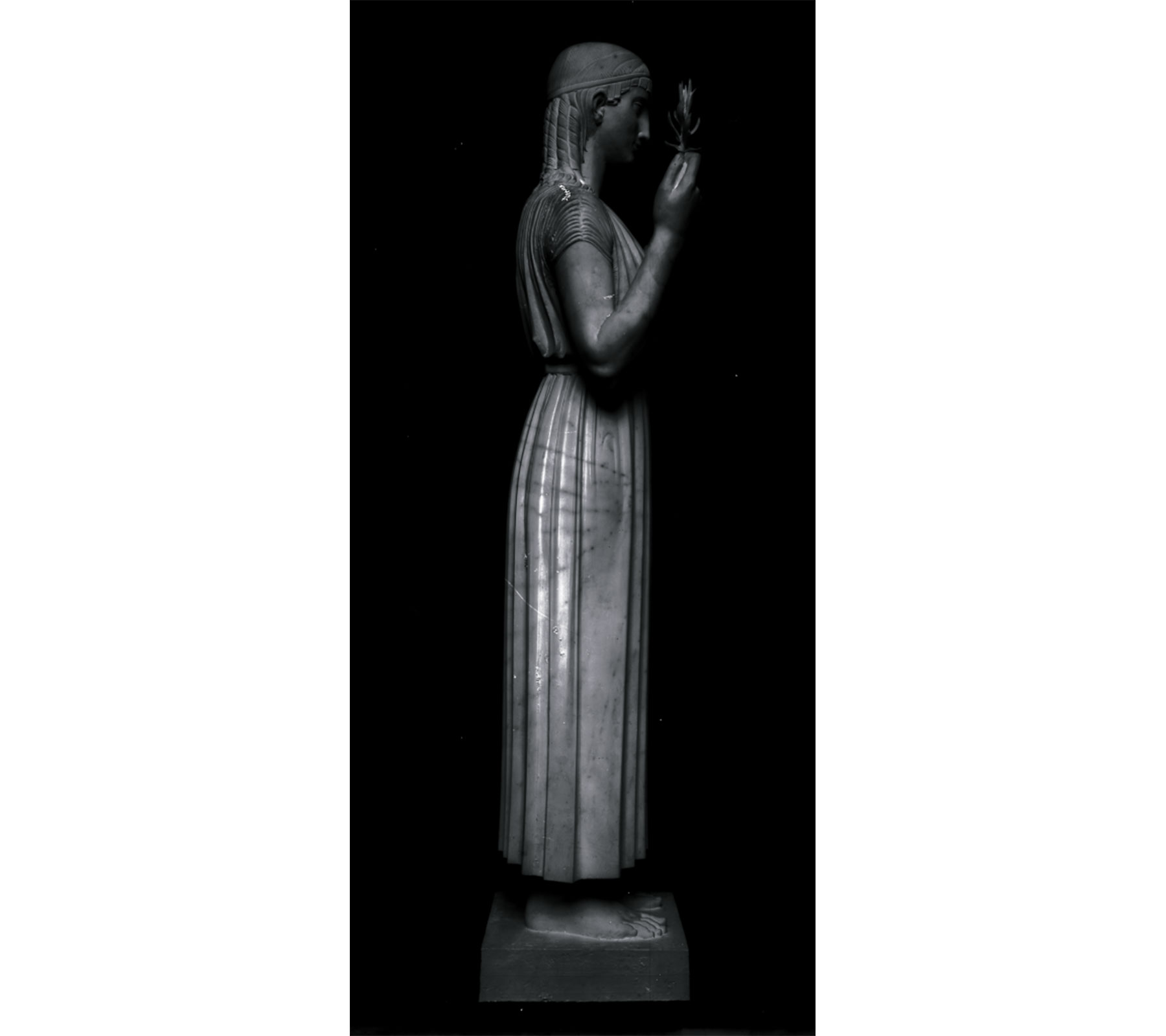
There are several images relating to Peace (Piccadilly Gardens, 1926) of which there were nude and other versions made before the piece that now stands in Piccadilly Gardens as Hardiman’s own memorial.
Alfred Hardiman collection, Peace (BSR Fine Arts Archive)
Alfred Hardiman working on ‘Peace’ (1926) in the BSR studios, early 1920s (BSR Fine Arts Archive)
Alfred Hardiman collection, Peace (BSR Fine Arts Archive)
Alfred Hardiman collection, Peace (BSR Fine Arts Archive)
Alfred Hardiman collection, Peace (BSR Fine Arts Archive)
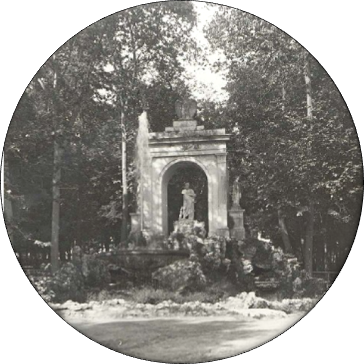
There are also images of other baroque sculptures exhibited in Rome which Hardiman may have used as inspiration or ideas for developing his works.
Alfred Hardiman collection (BSR Fine Arts Archive)
Alfred Hardiman collection (BSR Fine Arts Archive)
Alfred Hardiman collection (BSR Fine Arts Archive)
Alfred Hardiman collection (BSR Fine Arts Archive)
Alfred Hardiman collection (BSR Fine Arts Archive)
Alfred Hardiman collection (BSR Fine Arts Archive)
Alfred Hardiman collection (BSR Fine Arts Archive)
Alfred Hardiman collection (BSR Fine Arts Archive)
Alfred Hardiman collection (BSR Fine Arts Archive)
Alfred Hardiman collection (BSR Fine Arts Archive)
Alfred Hardiman collection (BSR Fine Arts Archive)
Alfred Hardiman collection (BSR Fine Arts Archive)
Alfred Hardiman collection (BSR Fine Arts Archive)
Alfred Hardiman collection (BSR Fine Arts Archive)
Alfred Hardiman collection (BSR Fine Arts Archive)
Alfred Hardiman collection (BSR Fine Arts Archive)
Alfred Hardiman collection (BSR Fine Arts Archive)
Where would you like to go next? Who would you like to meet?
Meet Alfred Frank Hardiman (1891-1949)
Learn more about Sculpture at the BSR, 1913-1930
Learn more about Photography at the BSR, 1913-1930
For a full bibliography and further reading, see here.
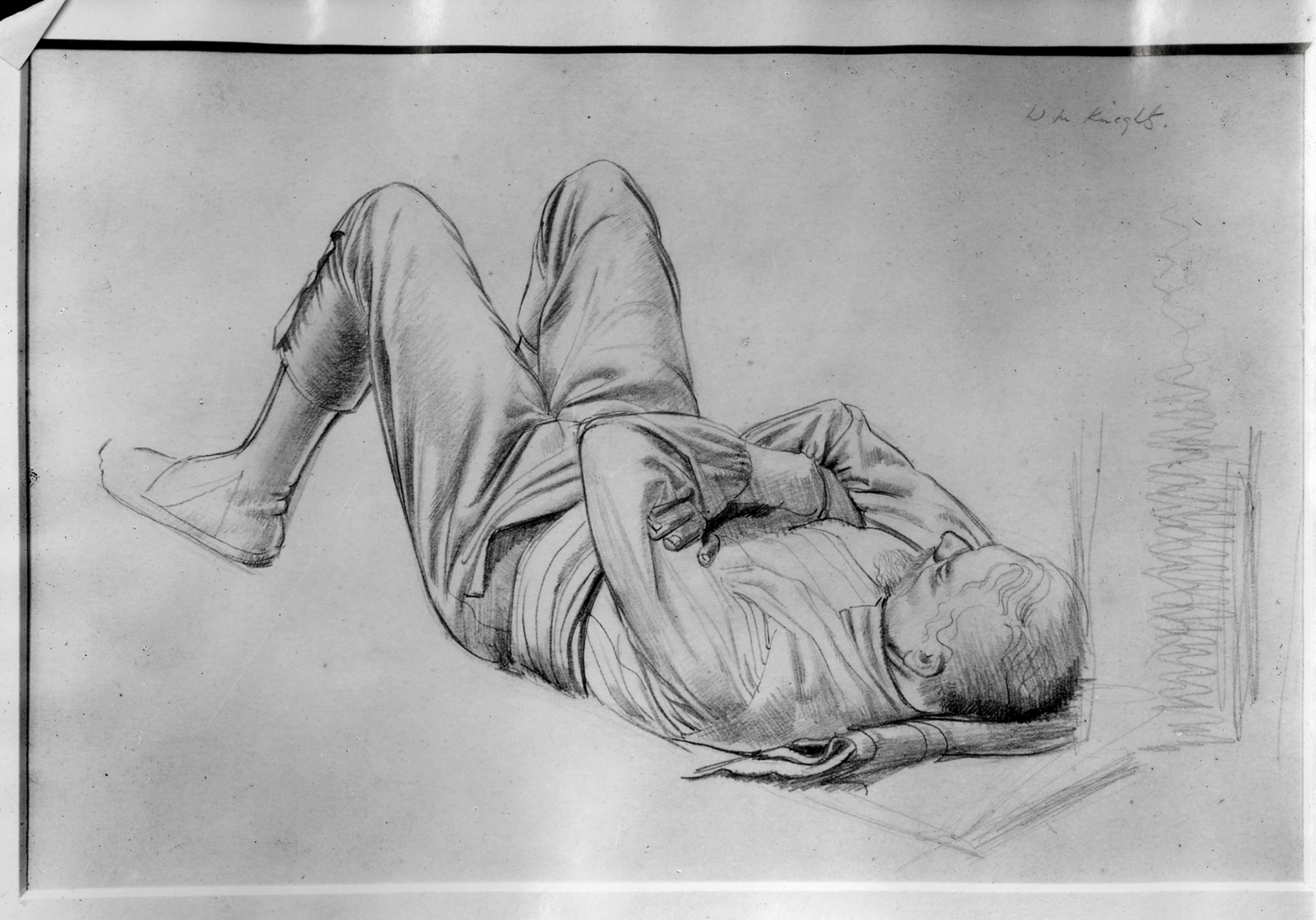
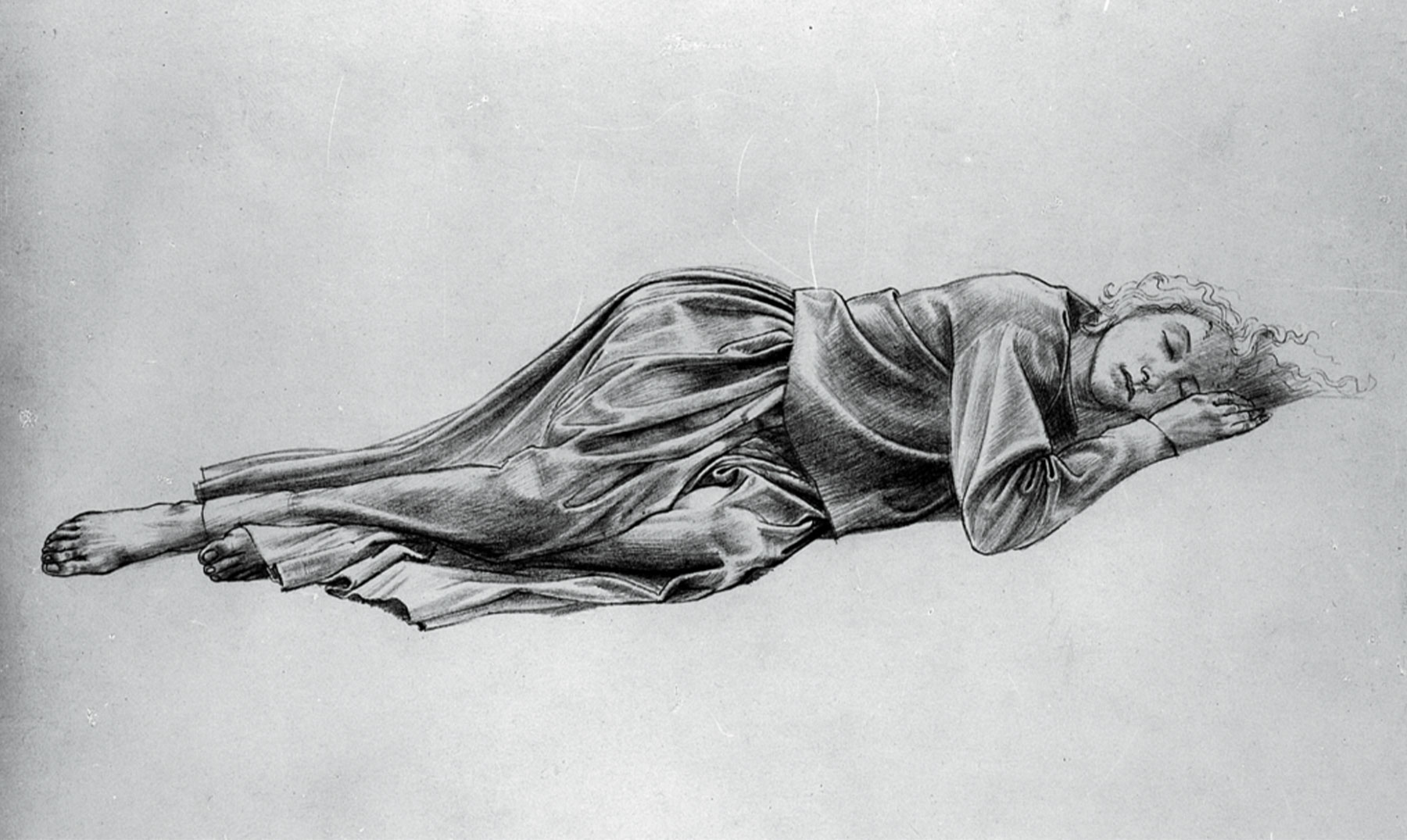
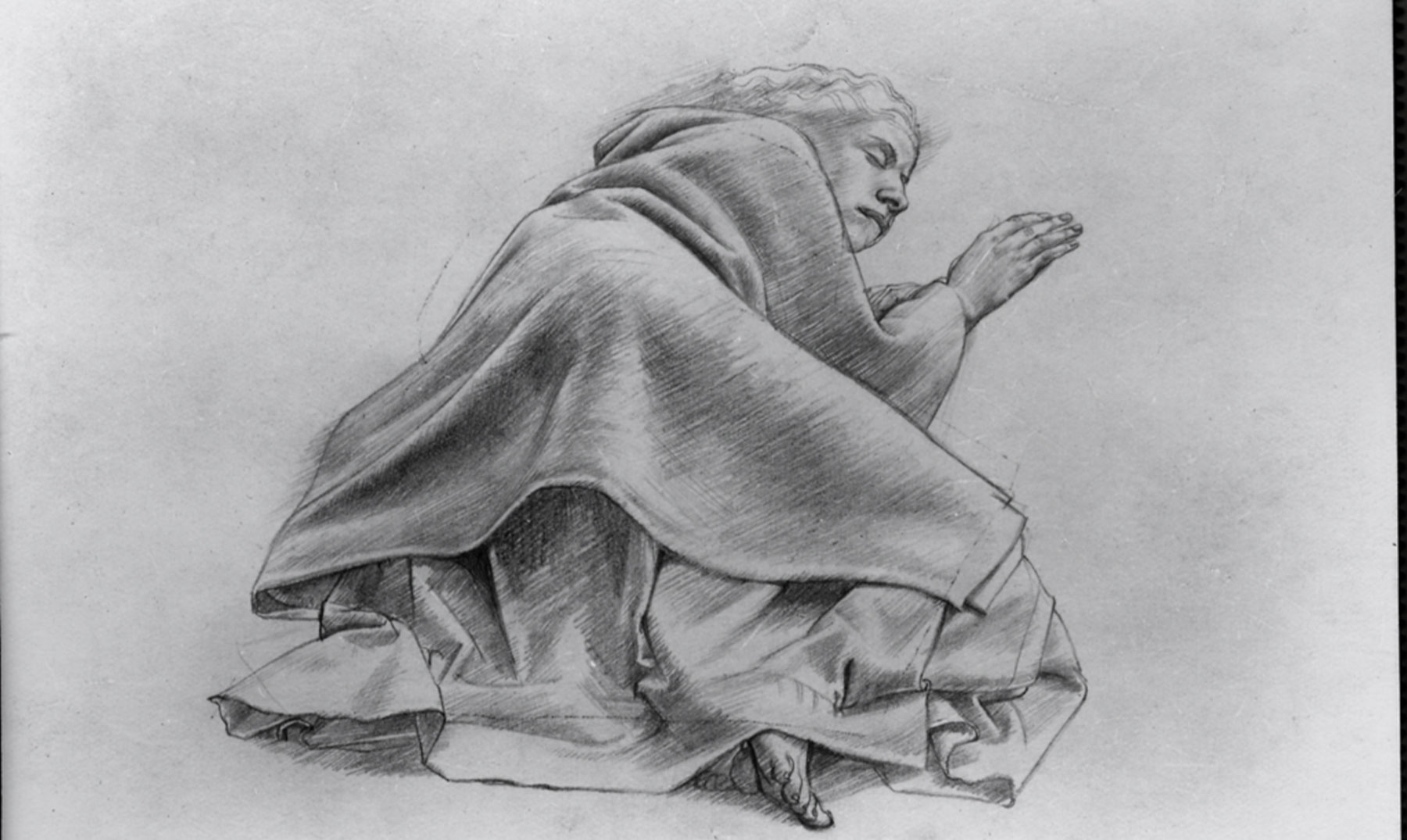
The Rome Scholarship offered promising artists the opportunity to practice and hone their craft. In doing so, the BSR was left with a collection of archival materials which are testimony to their work in Rome. These offer an insight into the development of their artists’ capabilities, and range from studies to fully fledged works. The BSR photographed these records for posterity, and the images themselves reveal as much about the process of archiving art as it does the artists themselves. Notice how this small set of photographs in black and white – unfortunately the BSR does not possess the original pencil drawings by Winifred Knights – is reflecting the technology of the time. The photographer also experimented with a number of different plates, which affected how the intensity of the lines and shading appear in these representations.
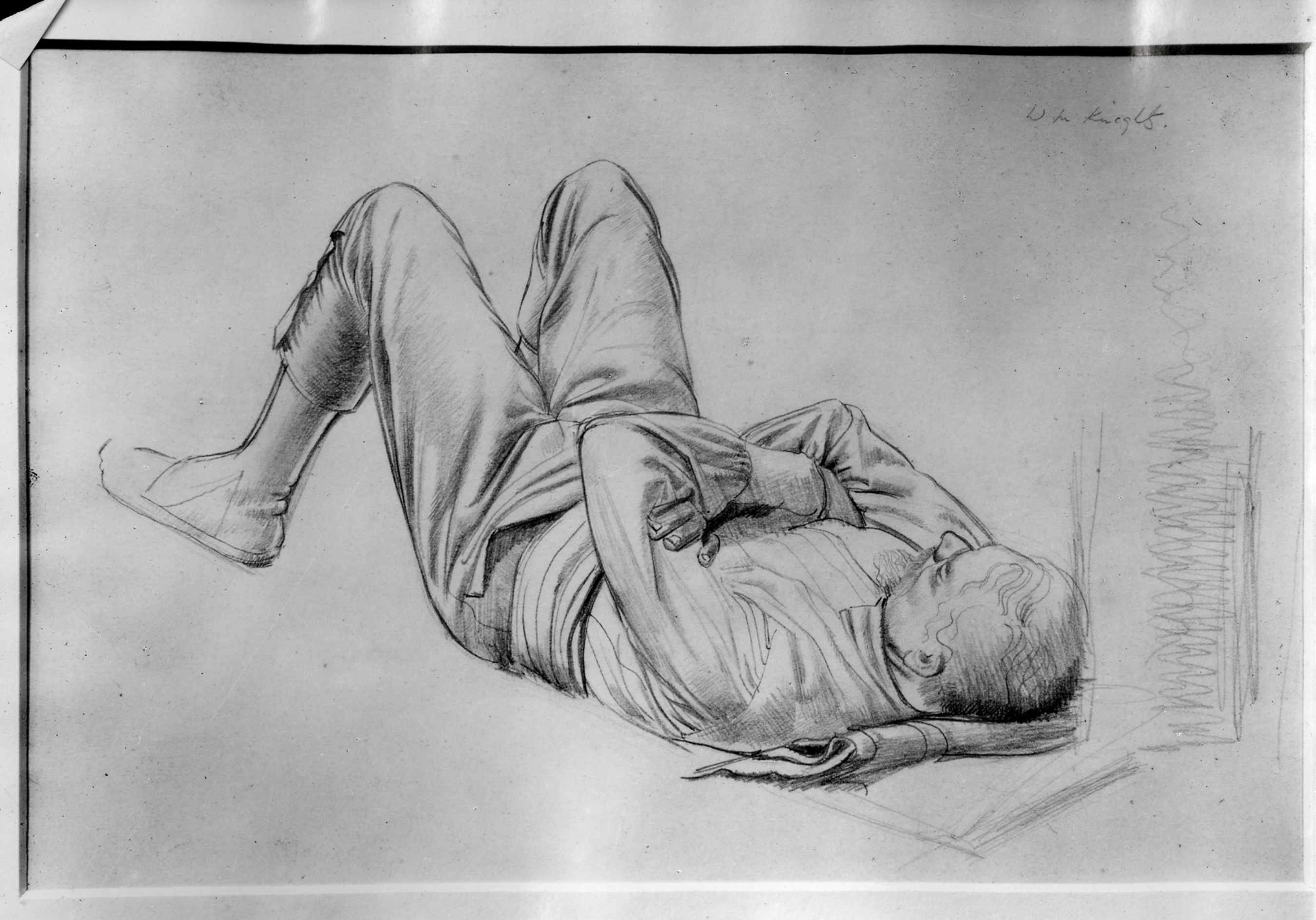
Winifred Knights (1899-1947) used her time at the BSR to practise her drawings of people. She showed an interest in depicting individuals sleeping. This photograph in the Winifred Knights collection (BSR Fine Arts Archive), entitled Pencil Study for decoration (c.1920-1921), shows a man lying asleep on the floor, resting on what might be some cloth, and perhaps against a wall. It shows her attempts at capturing the intricacies of his clothing, and the spatial positioning of the body.
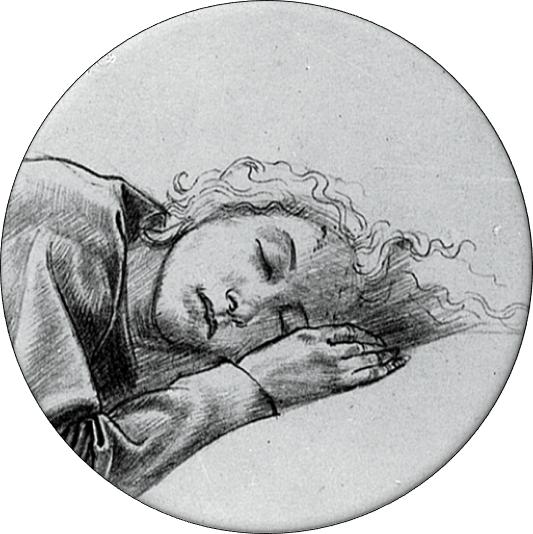
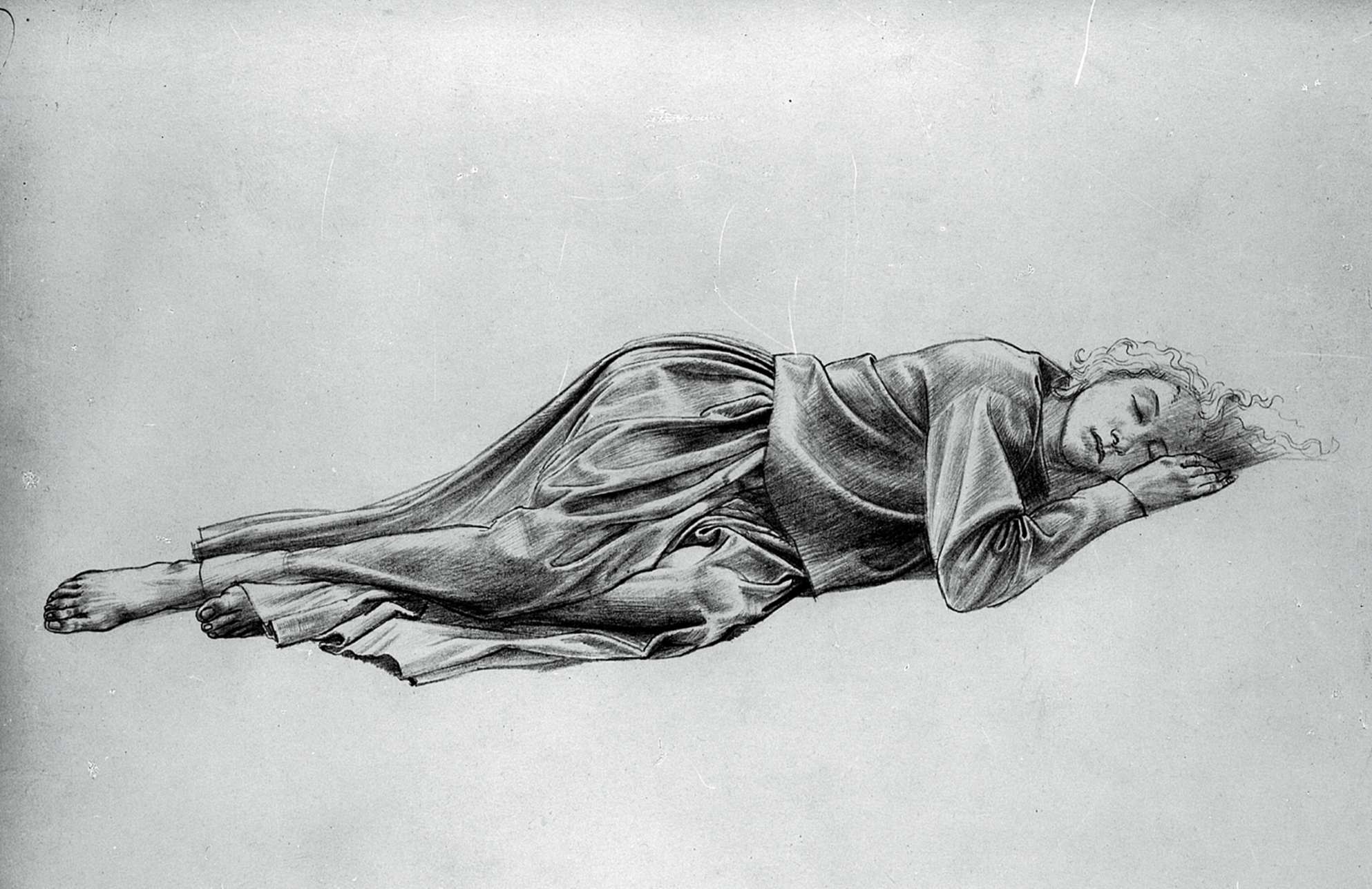
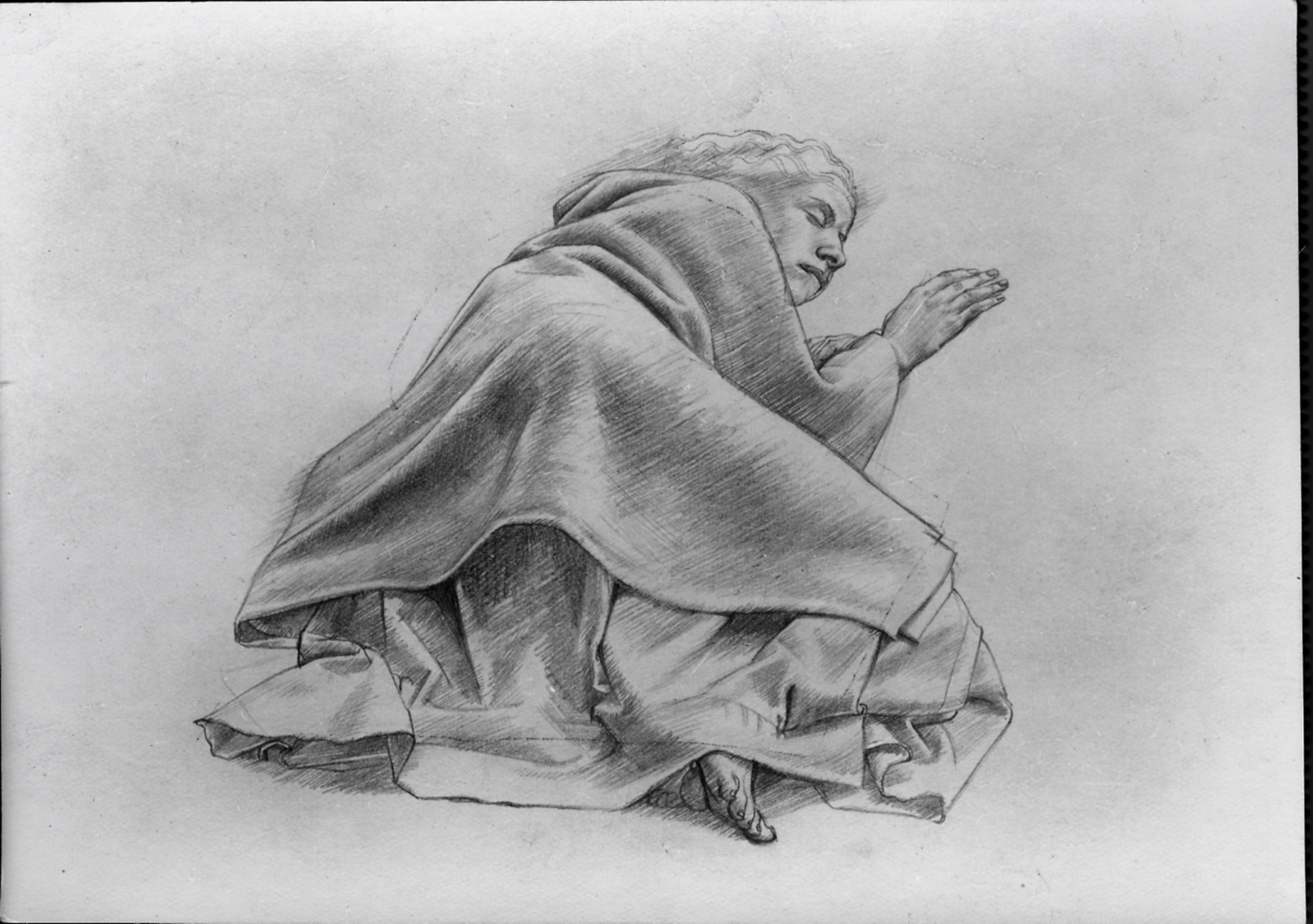
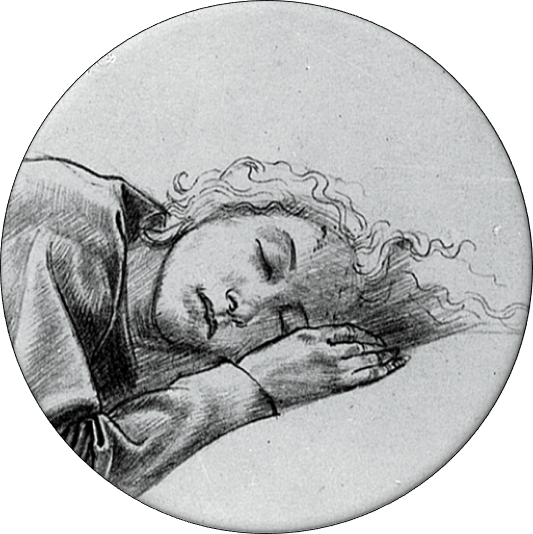
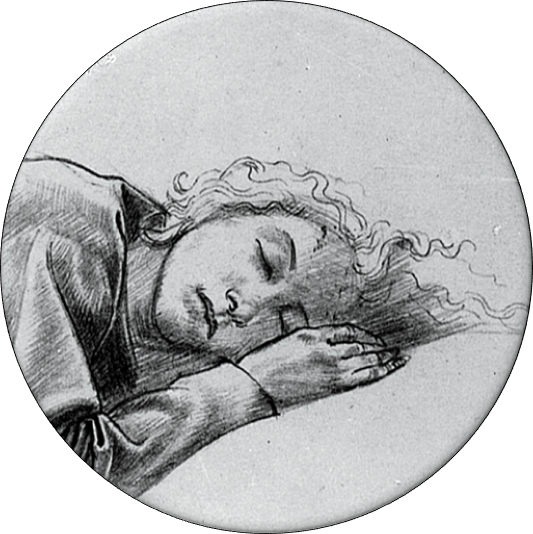
These images, both untitled, depict a sleeping girl from two angles. They again reveal Knights’ interest in the details of clothing as they fall about the person laying down.
Photograph of a drawing, title unknown (c.1920-1921), Winifred Knights collection, (BSR Fine Arts Archive)
Photograph of a drawing, title unknown (c.1920-1921), Winifred Knights collection, (BSR Fine Arts Archive)
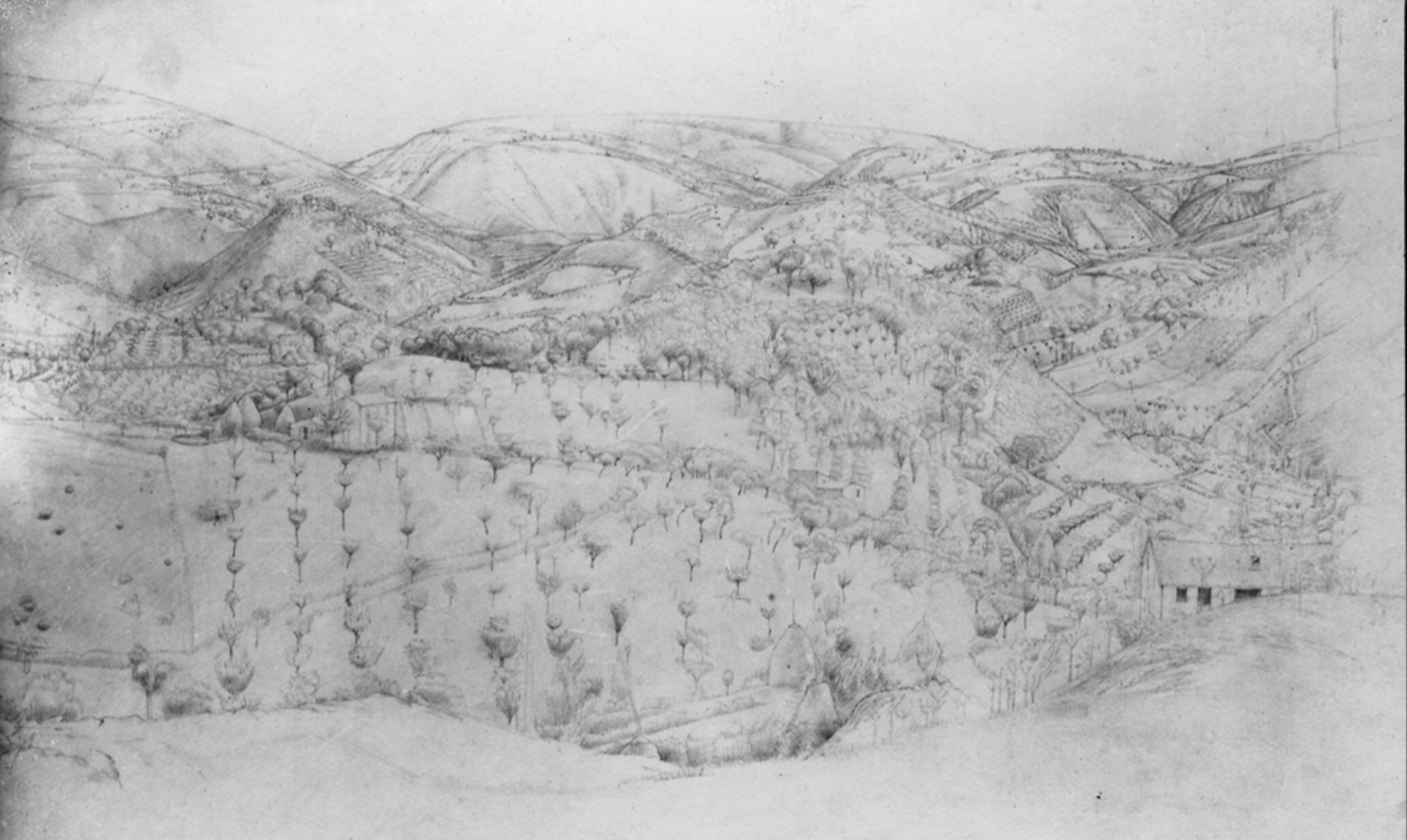
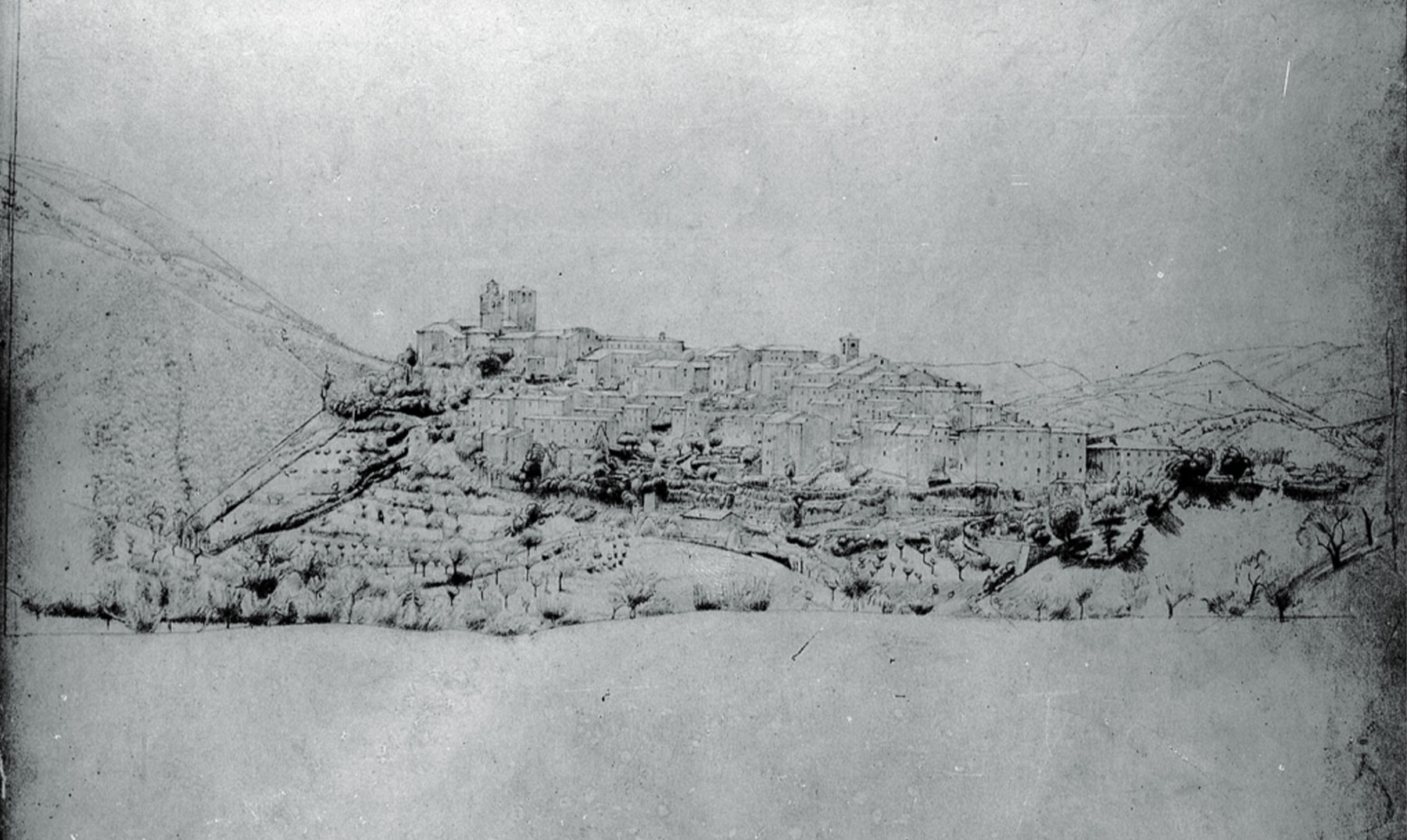
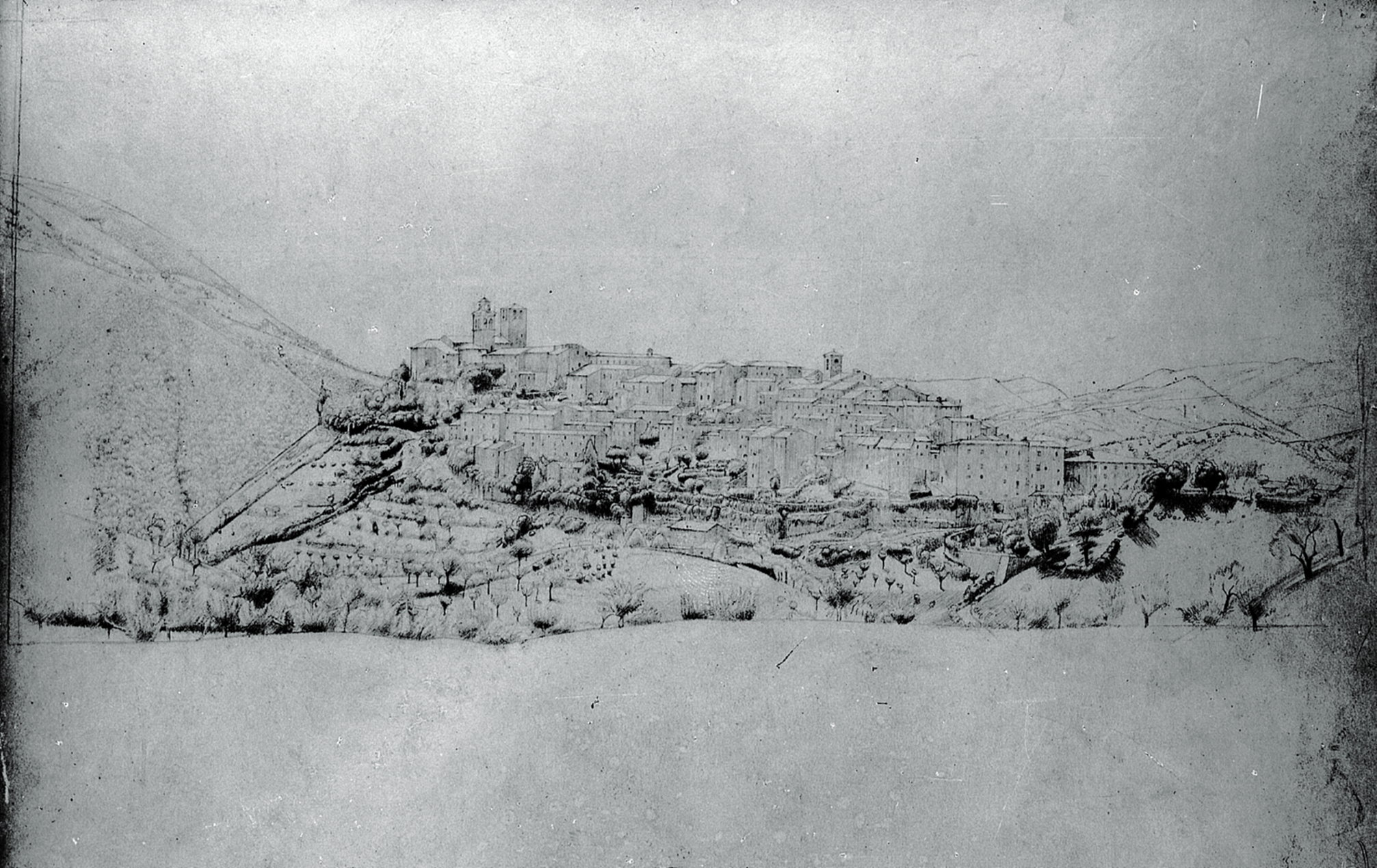
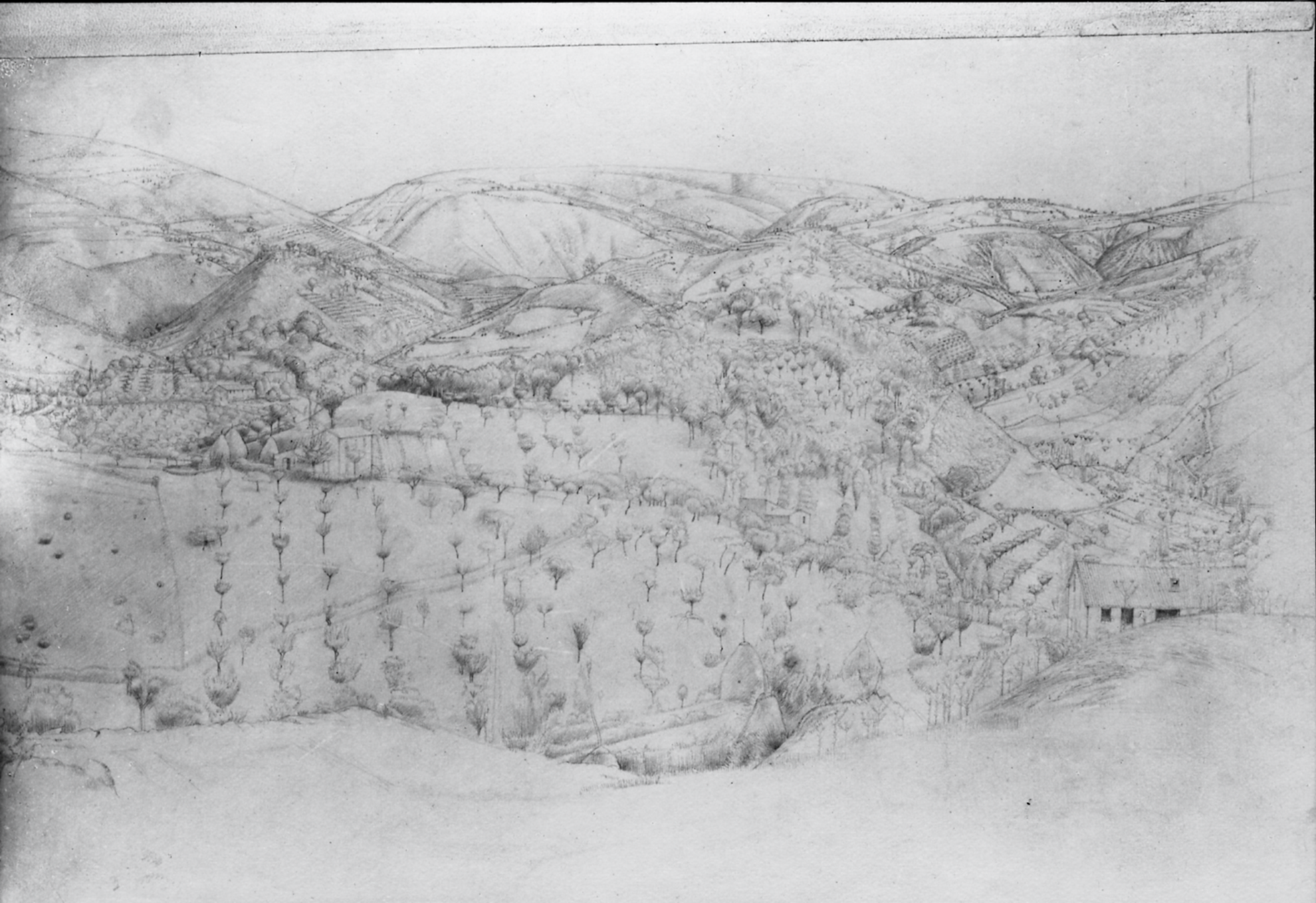
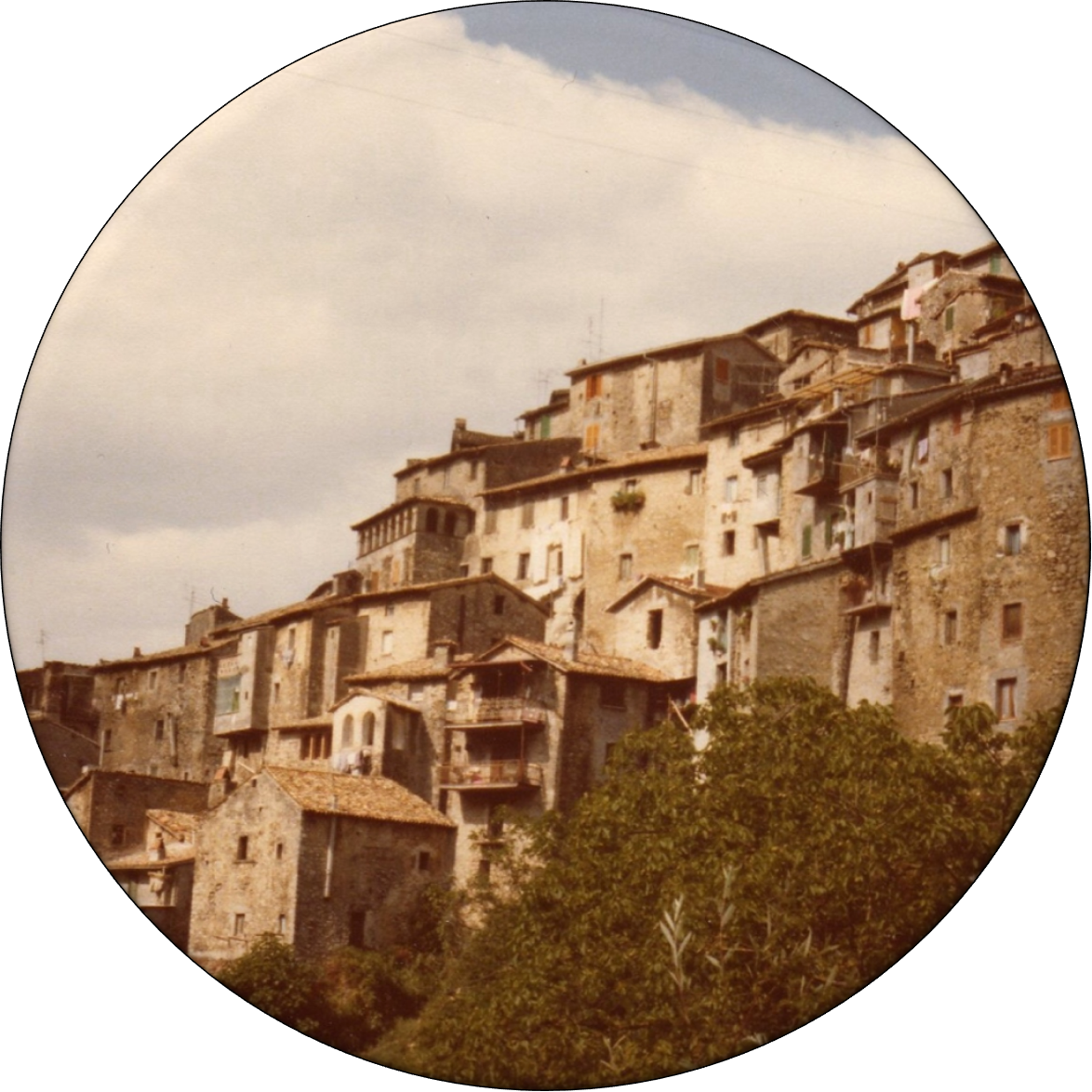
Knights also practised her landscape drawings. These two images show her depictions of a town and of some farmland. It reveals the intense rural setting that she was imbedded within, and was probably produced at her time in Anticoli Corrado.
Photograph of a drawing, title unknown (c.1920-1921), Winifred Knights collection (BSR Fine Arts Archive)
Photograph of a drawing, Landscape (c.1920-1921), Winifred Knights collection, (BSR Fine Arts Archive)
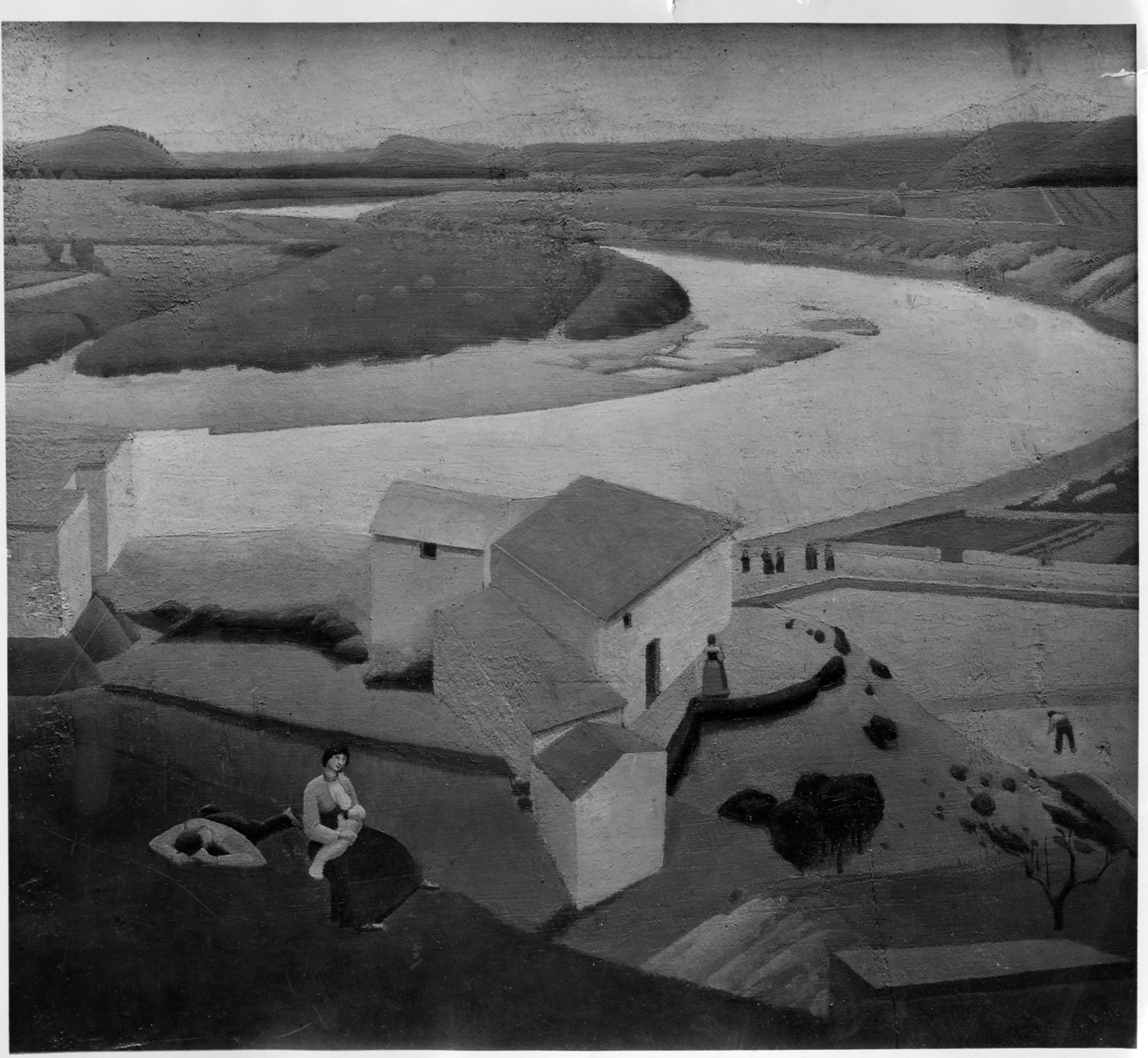
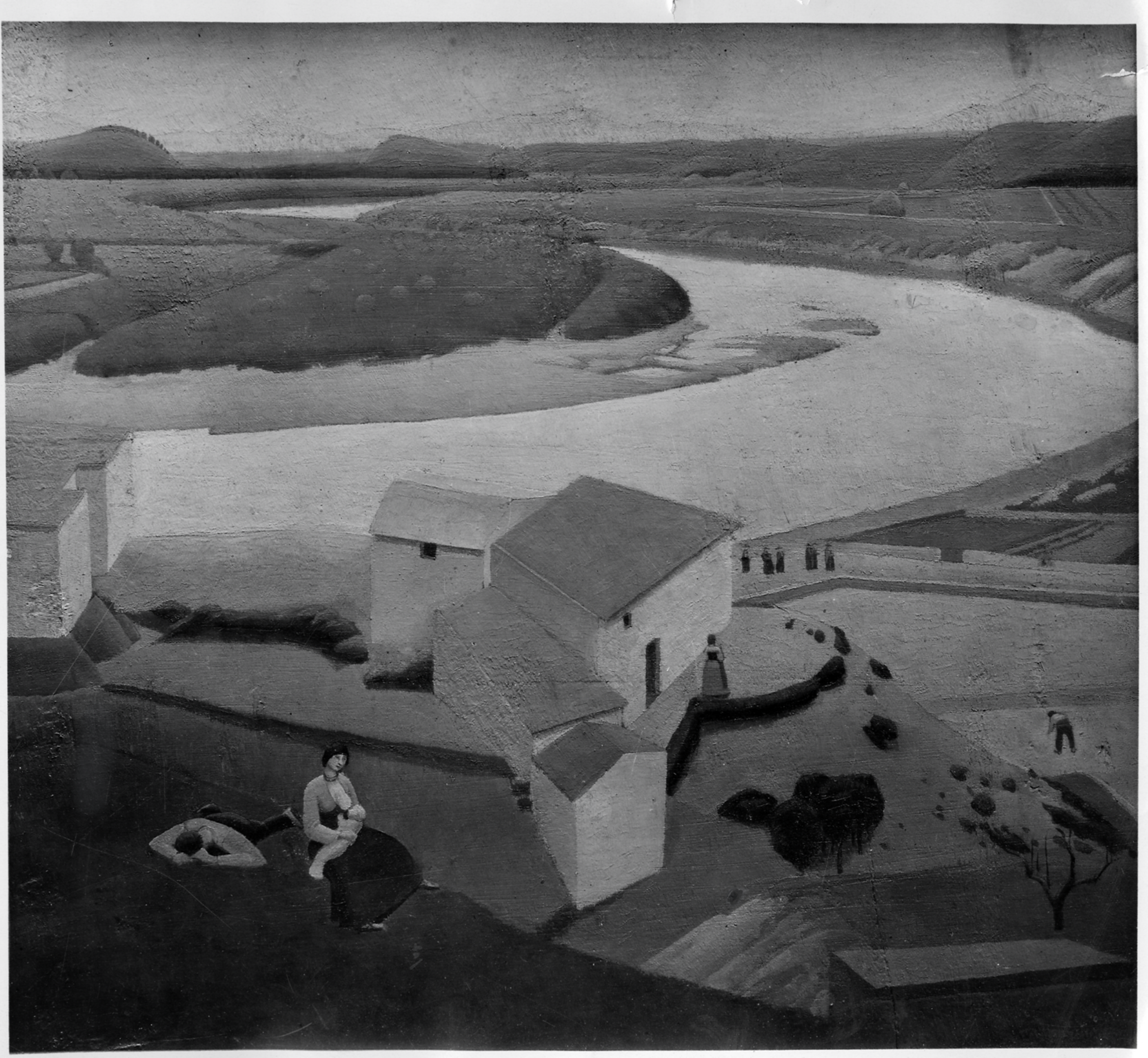
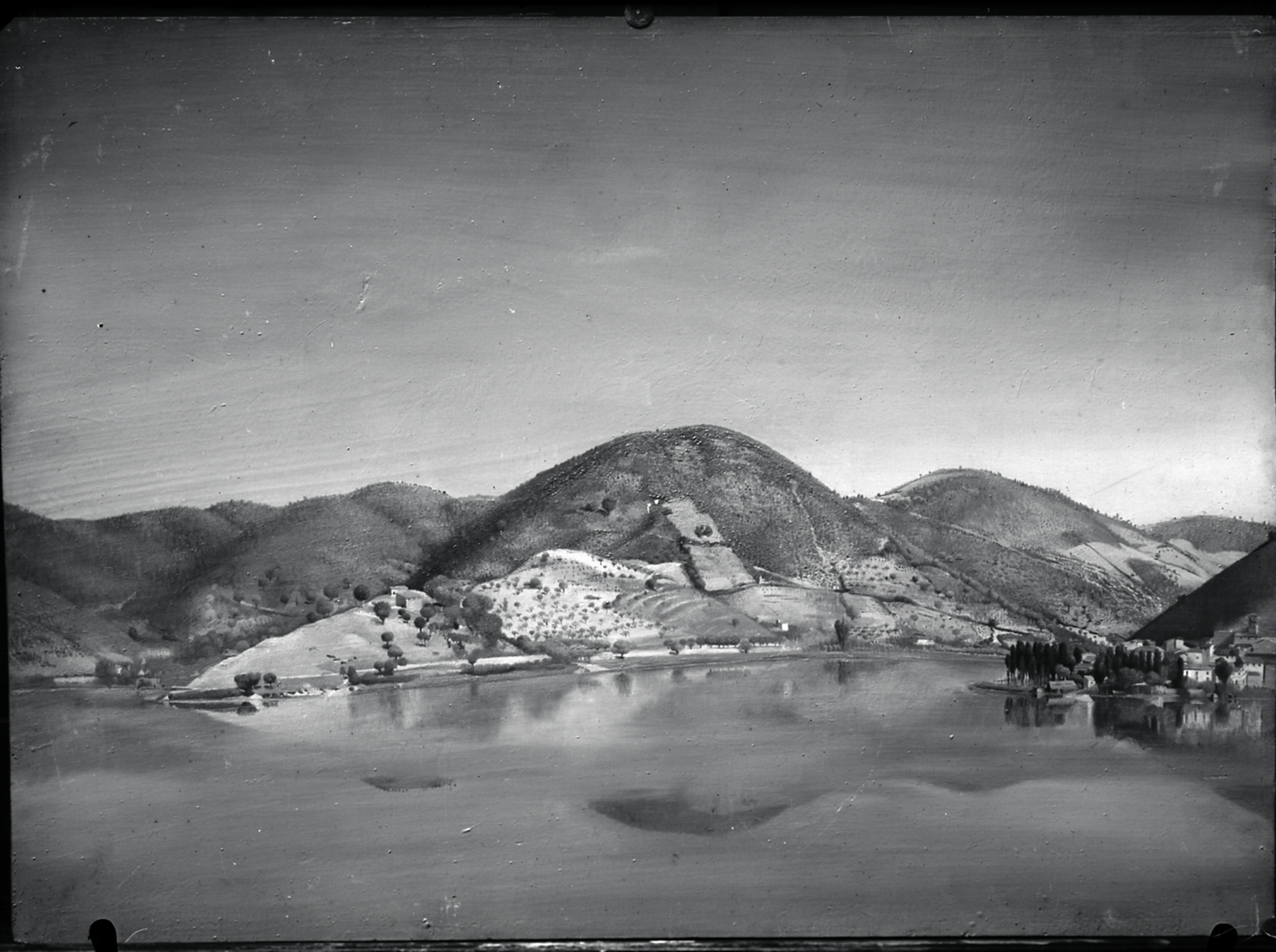
These studies contributed to Knights’ understandings of the Italian landscape, and helped her develop the skills that are demonstrated in her more notable works. This photograph of an oil on canvas, named in the BSR’s collections as The Tiber, was finished in 1921. The painting itself was sold to the Tate in the year it was painted, where it bears the name Italian Landscape (Tate, 1921).
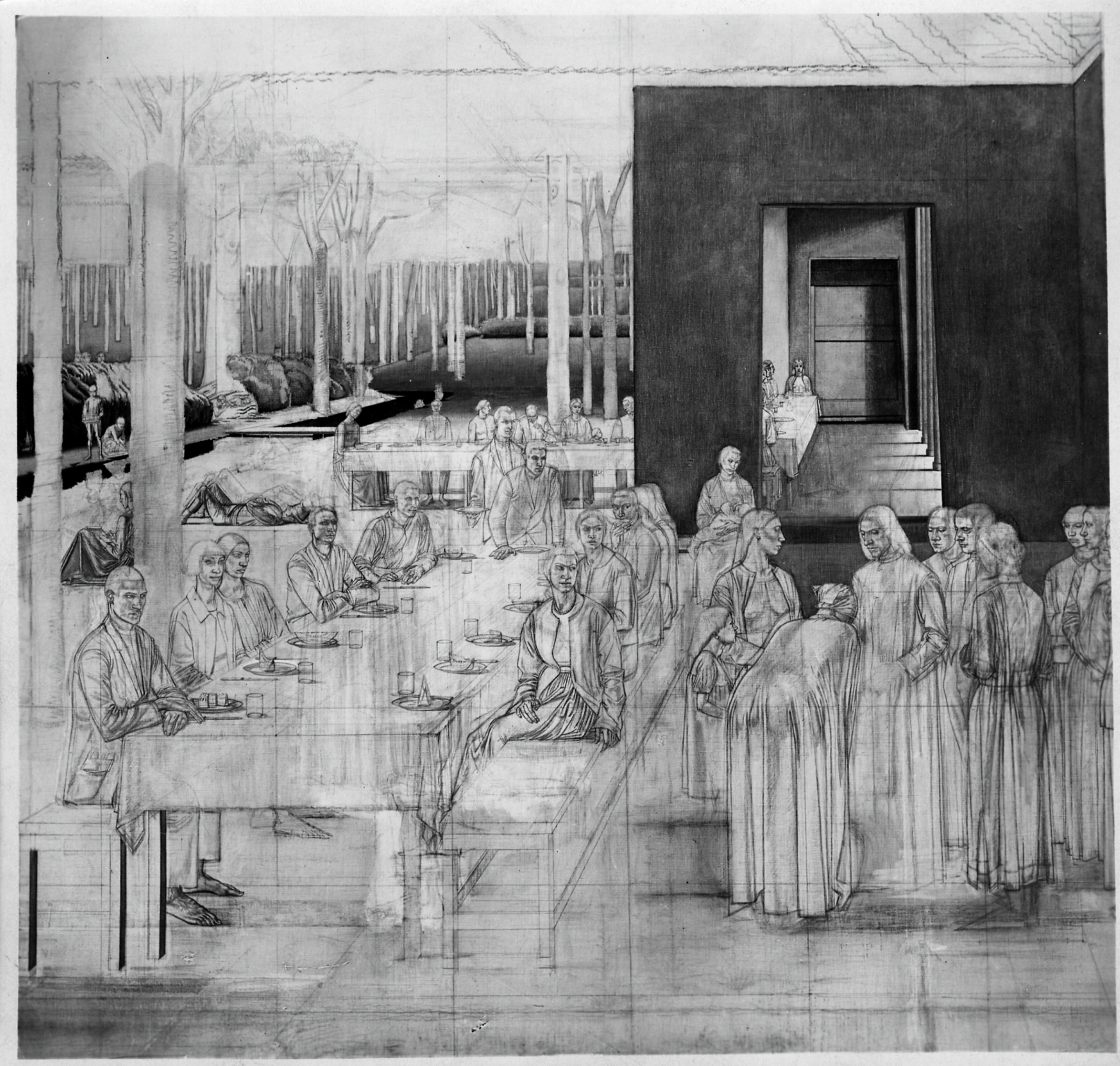
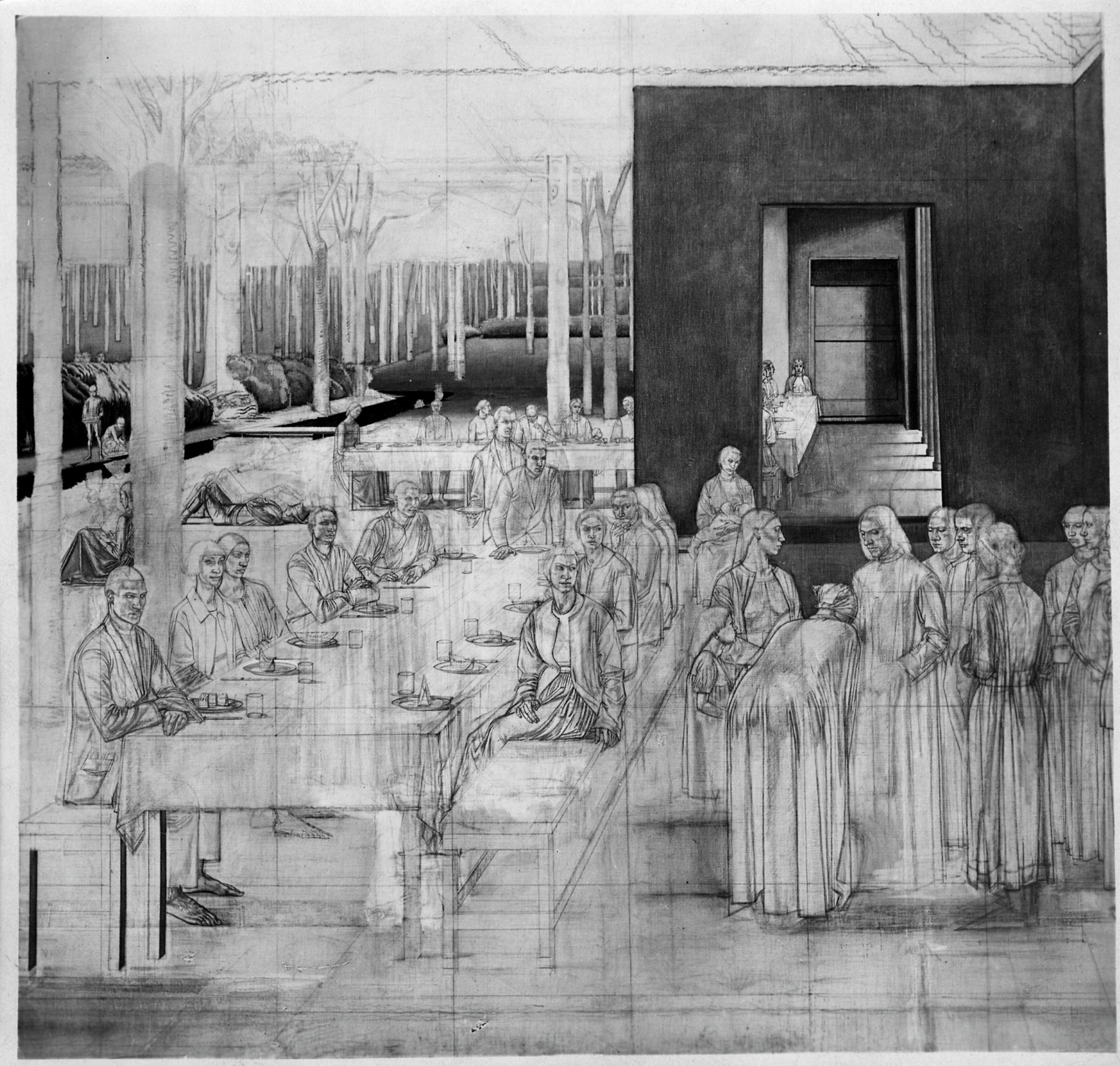
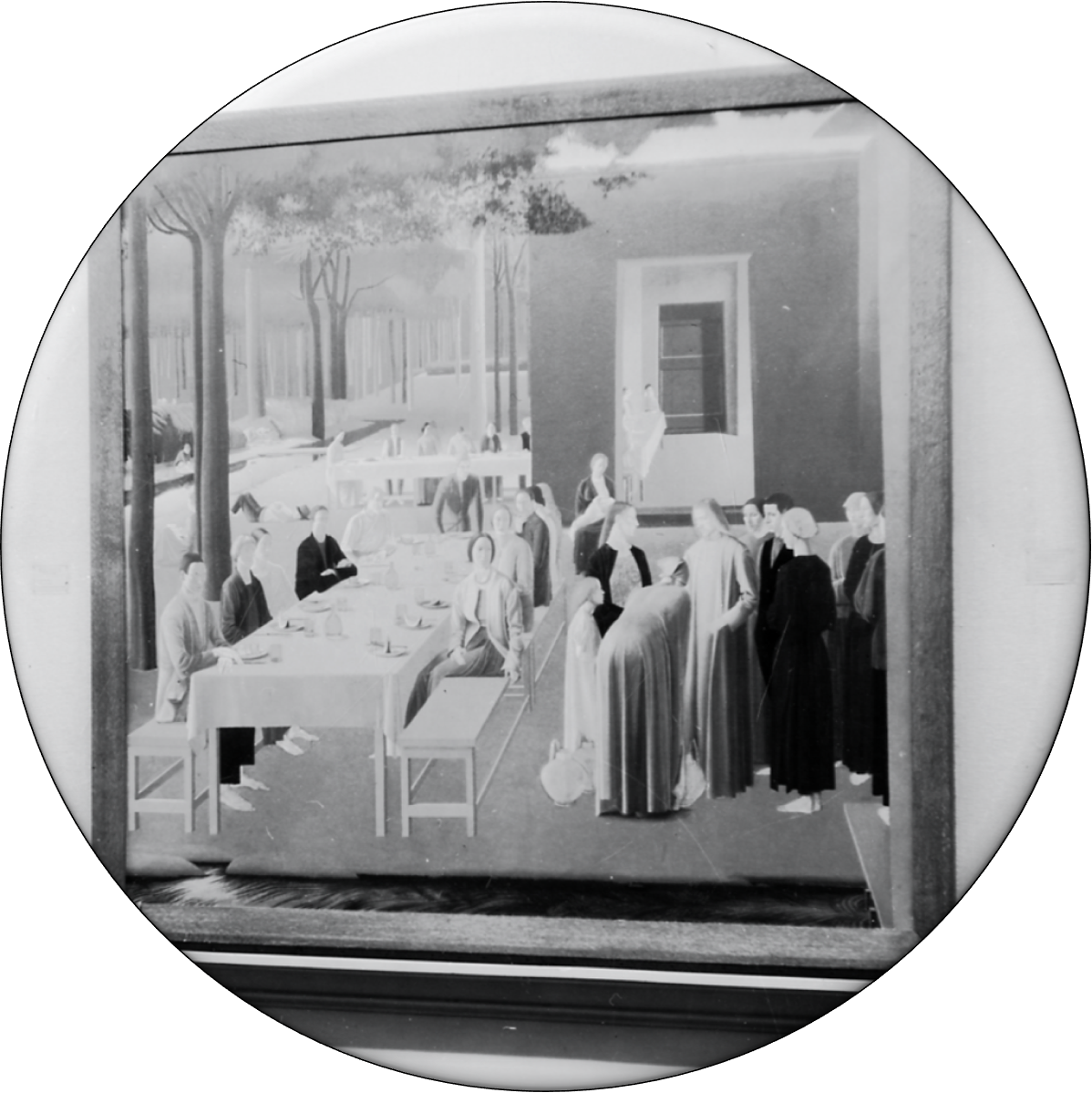
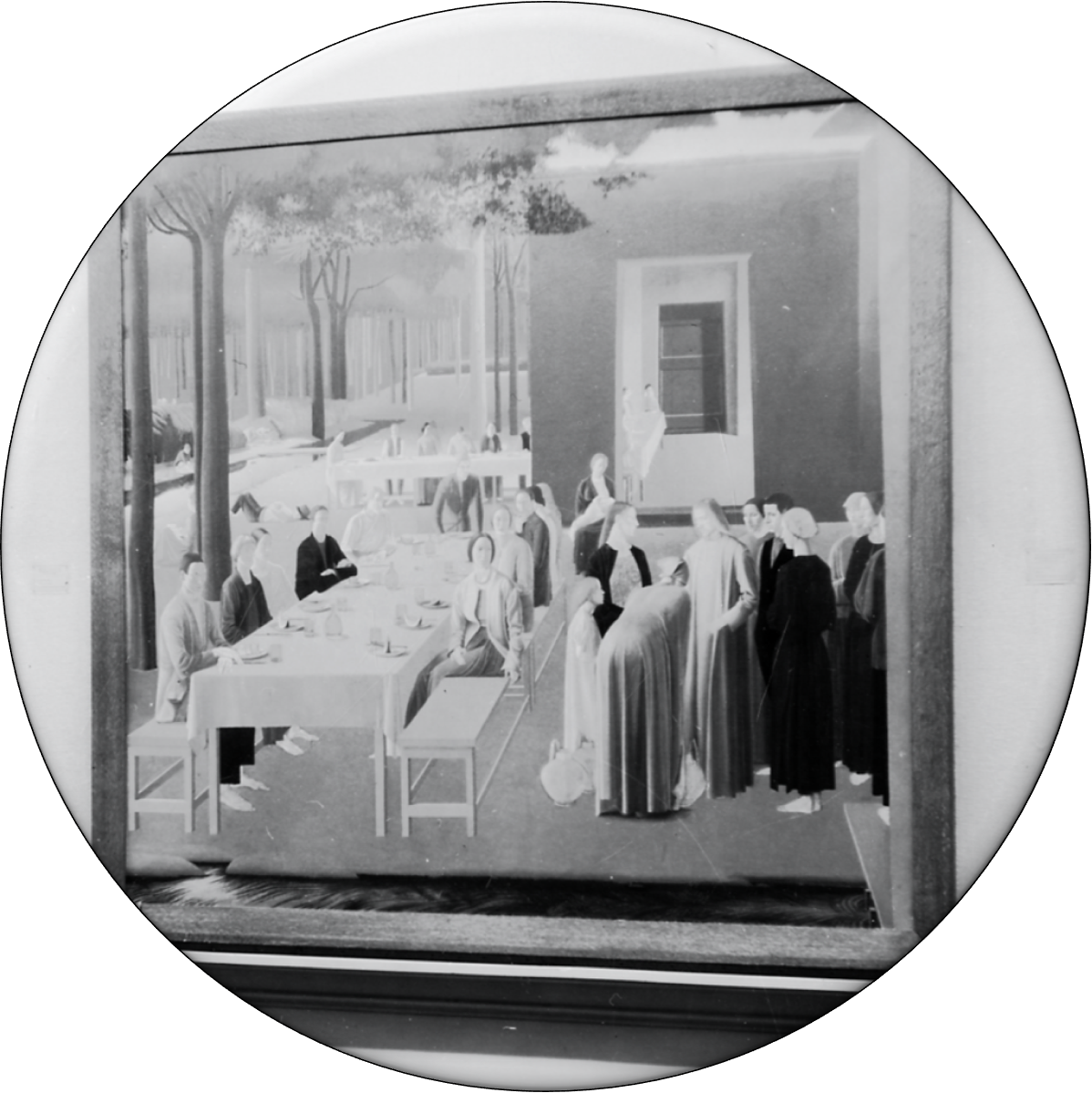
Other records show the development of The Marriage at Cana (Te Papa Rongarewa Museum of New Zealand, 1927), one of the more famous of Knights’ paintings from this period. This photograph depicts a sketch version of the work, which reveals the painting as it was at this particular stage in its development.
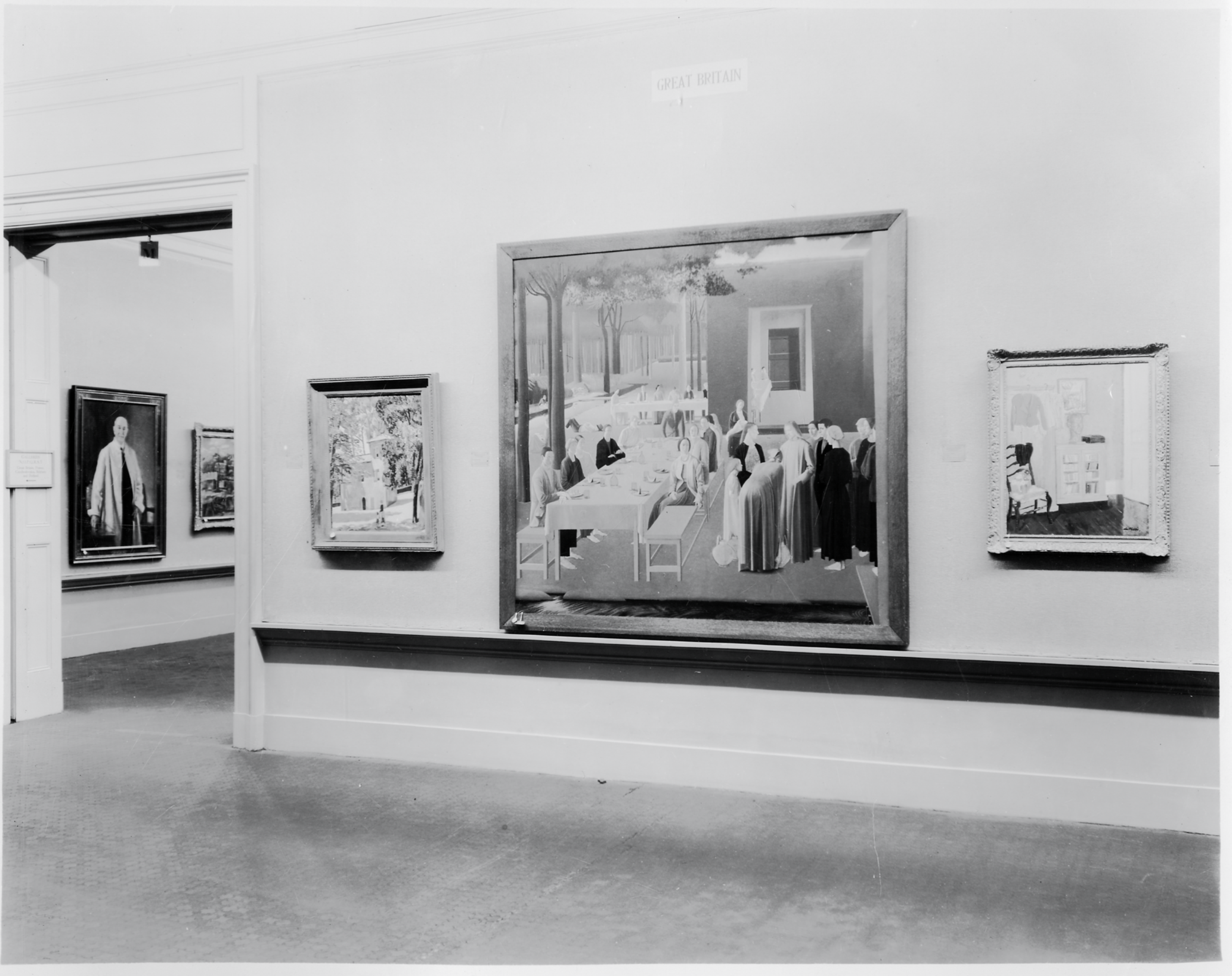
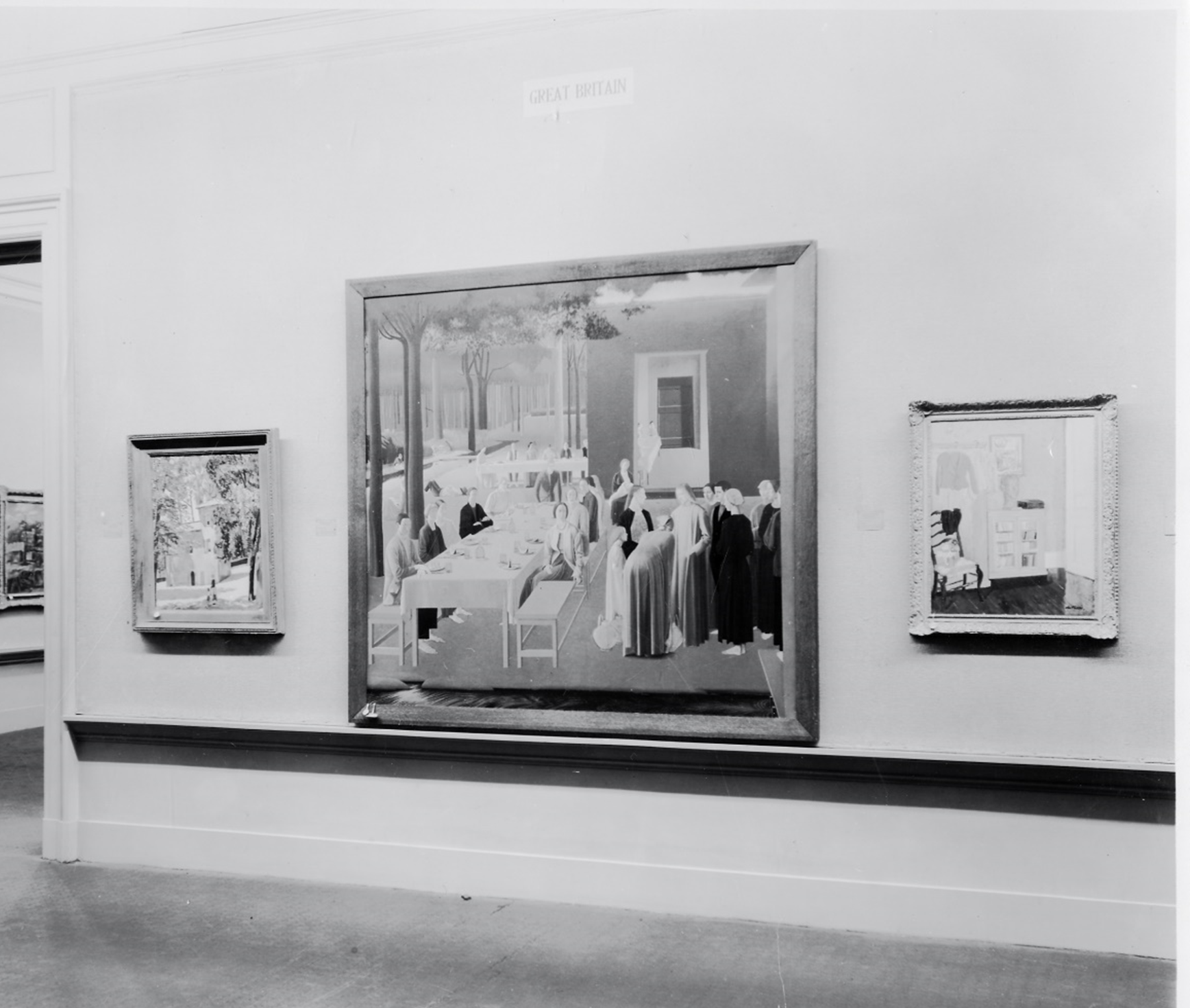
This image shows The Marriage at Cana in its installation.
Where would you like to go next? Who would you like to meet?
Meet Winifred Knights (1899-1947)
Visit Anticoli Corrado
Visit the Borghese Gardens
Learn more about Photography at the BSR, 1913-1930
Please click on an image to enlarge it.
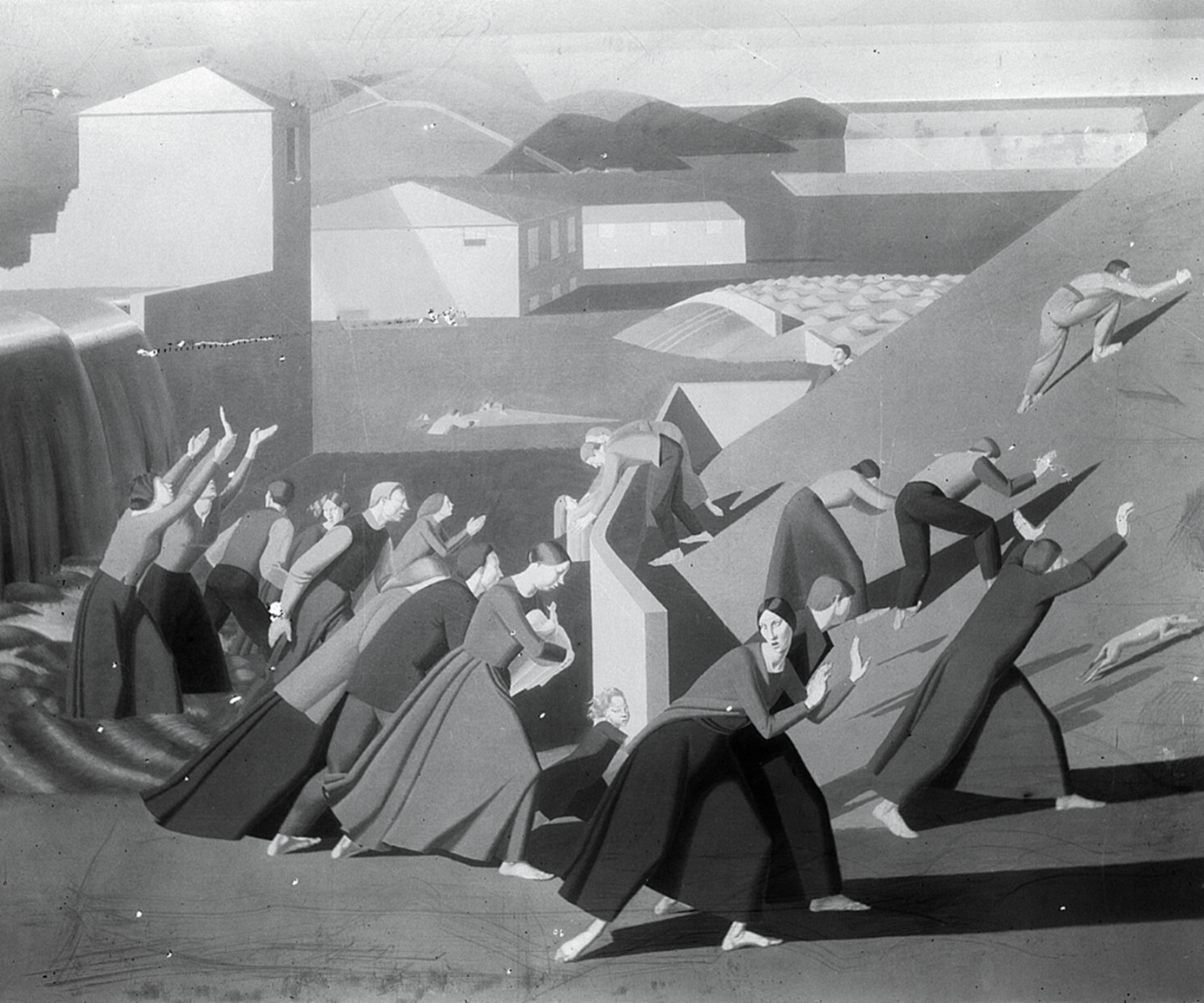
The Tiber (c.1920-1921), Winifred Knights collection 02, BSR Fine Arts ArchivePencil Study for decoration (c.1920-1921), Winifred Knights collection 03, BSR Fine Arts ArchiveMarriage at Cana (c.1920-1921), Winifred Knights collection 04, BSR Fine Arts ArchiveLandscape (c.1920-1921), Winifred Knights collection 05, BSR Fine Arts ArchiveTitle unknown (c.1920-1921), Winifred Knights collection 06, BSR Fine Arts ArchiveTitle unknown (c.1920-1921), Winifred Knights collection 07, BSR Fine Arts ArchiveTitle unknown (c.1920-1921), Winifred Knights collection 08, BSR Fine Arts ArchiveMarriage at Cana (c.1920-1921), Winifred Knights collection 09, BSR Fine Arts ArchiveTitle unknown (Photograph of the Deluge, taken c.1920-1921), Winifred Knights collection 10, BSR Fine Arts Archive
For a full bibliography and further reading, see here.
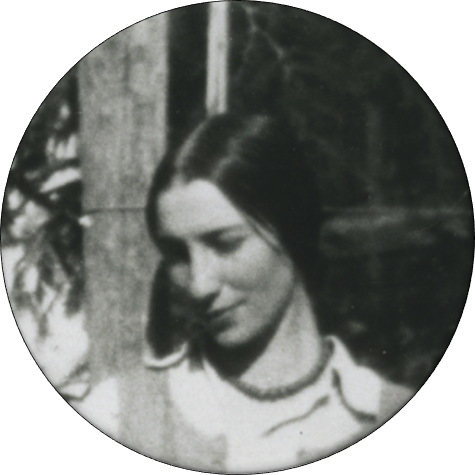
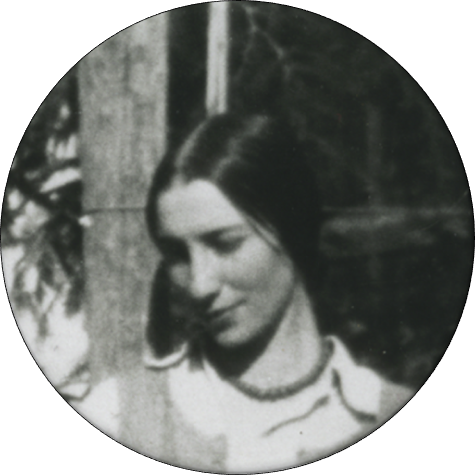
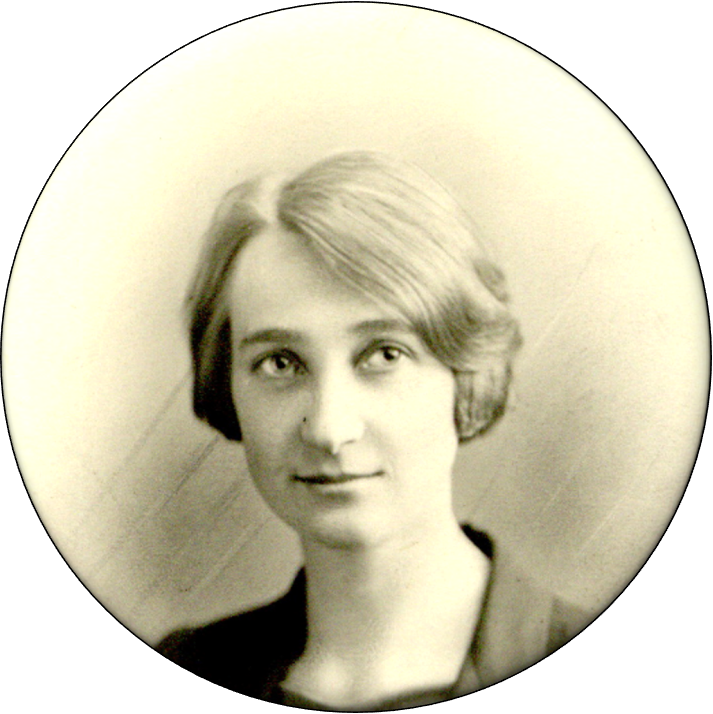
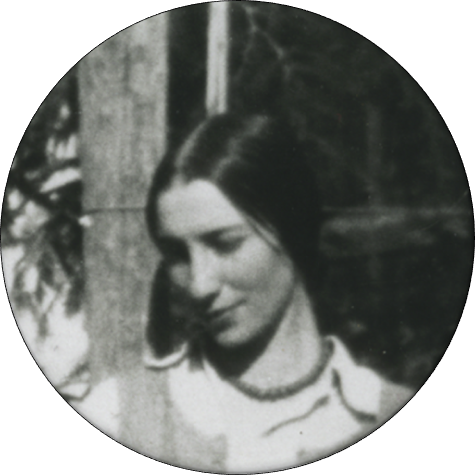
Winifred Knights (1899-1947) arrived at the BSR as the first woman to be awarded the prize, and one of the few British women in the interwar period to be recognised by the awarding committee for her artistic talents. She had been a student at the Slade School of Art from October 1915 to July 1920, and entered the competition for the Rome Prize in January 1920. She made it through to the final round, and won with her depiction of The Deluge (Tate, 1920), an interpretation of the Biblical Flood. The painting was commended for its contemporary aesthetic, with the figures depicted in modern-day clothing, and the ark in almost concrete-like form. The apocalyptic tones reflected Britain’s recent experience in the First World War, and were possibly influenced by Knights’ own experience as witness to the Silvertown explosion in 1917, where a munitions factory was destroyed after a fire broke out. The painting earned her the Rome Scholarship in Decorative Painting.
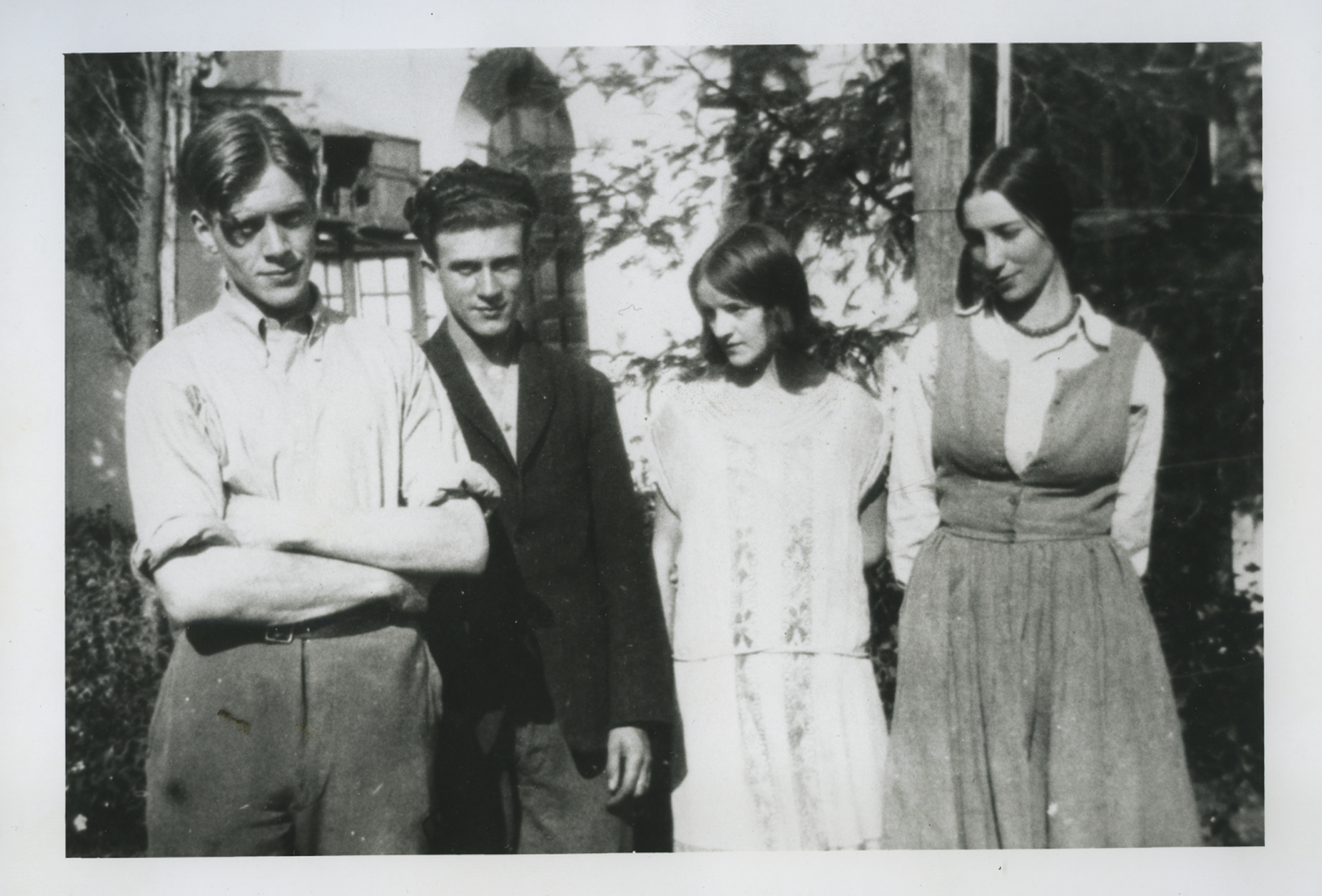
Winifred Knights (right), with Barbara Hepworth, J. R. Skeaping, and Tom Monnington (left), BSR Courtyard, 1925 (BSR Photographic Archive, BS Collection)
Knights began her three-year scholarship in November 1920. Her letters home, of which copies are stored in the BSR archive, reveal her curiosity, delight and surprise at her new surroundings and companions, as well as the attention she received, especially from potential suitors. She made her own garments and her singular sartorial sensibility has, in recent years, been recognised as part of her artistic practice.
With a careful methodical process of drafting, planning and sketching, her large-scale paintings took considerable time to compete. Whilst in Rome, she produced studies and several oil paintings, one of which she sold to the Tate in 1922. This painting, called Italian Landscape (Tate, 1921), carried a similar aesthetic to The Deluge, though is notably more serene. The sharp, angular lines of the buildings are contrasted against the smooth curves of the River Tiber and its surrounding fields, indicating a distinction between the human and the natural. Other sketches and drawings left by Knights at the BSR show the evolution of her style, and growing maturity, as she recreated what she observed. They show a loving appreciation for the people living in Italy, several of whom she depicted sleeping. She also experimented with some nudes, as well as self-portraits.
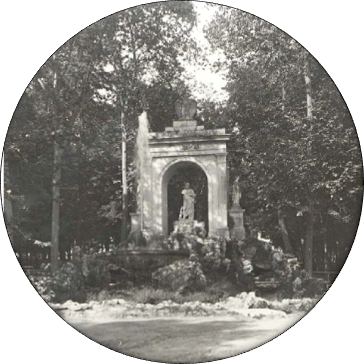
The Italian setting served as her most telling inspiration, however. She spent a considerable amount of time living in Anticoli Corrado, a hill village in Lazio, which had a long-standing connection to the artists of Rome thanks to its picturesque scenery. Italian Landscape, and several other more realist sketches, are inspired by this setting. She returned to an exploration of biblical themes in the last year of her scholarship, with an oil painting depicting the Marriage at Cana (Te Papa Tongarewa National Museum of New Zealand, 1923). Like The Deluge, Knights gave her figures a simple, modern dress, and it displays much more subtlety than the vibrant recreations of the scene created in the Renaissance era. Knights shows how she developed her own unique style with the same angular aesthetic and distinction between the human and the natural. She used hard lines for the building, tables and benches, and softer lines for the trees and stream in the foreground and background of the image. The people have a similarly stiff posture, despite their various poses. She was inspired by the Borghese gardens in Rome, a place she visited regularly.
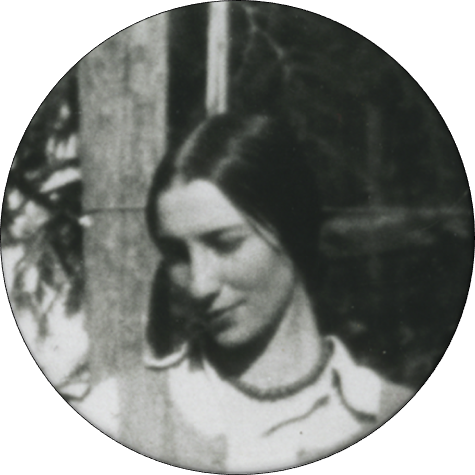
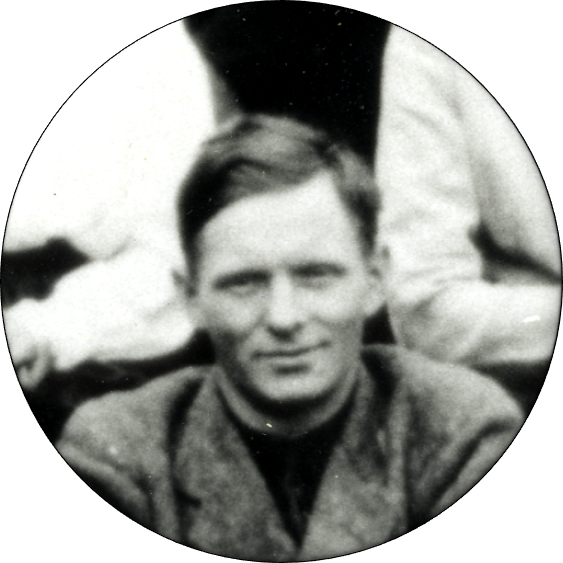
As well as being shaped by the place while at the BSR, Knights began to develop strong connections to the other scholars. When she arrived, she joined Colin Gill (1892-1940), Job Nixon (1891-1938), and Jack Benson, who had already taken up their scholarships. Knights stayed with Gill and Nixon at Anticoli Corrado. She was later joined by Alfred Hardiman at the BSR. She was, herself, a model for many of them, and they acted as models for her. Some of her sketches of these individuals survive. A study of Hardiman for Marriage at Cana shows her practising capturing the intricacies of his face, for example. A sculpture of Knights, created by Hardiman, shows how this was reciprocated. As well as forming new relationships, she cemented older ones. Another Slade artist, Arnold Mason (1885-1963), came to Rome with her, though he was not a Rome Scholar. He stayed with the other artists, and served as a model for Knights. One sketch depicts him as an Italian villager, in local clothing and posing as if in conversation. There are several portraits of Knights painted by Mason, again demonstrating the reciprocity of their artistic community. Such reciprocity had its limits, however — Knights and Mason were engaged, but the relationship was broken off and Mason’s was removed from the Marriage at Cana.
One of her most significant relationships was with Tom Monnington (1902-1976). Monnington arrived as a Rome Scholar in 1923 just as Knights’ scholarship was ending. She stayed in Rome until 1925 with Monnington, however, after the two had formed a relationship. They were married in April 1924, and later moved to London, Knights leaving Rome in December 1925, and Monnington in January 1926. In their studio, Knights carried on a painting she began in Rome, The Santissima Trinita (1928). She and her husband found public work, an expectation of both the Slade and Rome scholarships. Her first commission was a mural for the Demeter in Worcestershire, and her second was a painting for the Milner Memorial Chapel in Canterbury Cathedral. She also exhibited her works at the Imperial Gallery in 1927, 1928, 1929, and 1931. During the Second World War she stayed with her sister in Worcestershire, and later in Taynuilt in Scotland.
Her painstaking process, the pressures of domestic, health and financial demands, war and the misogynistic nature of the art world may have hampered her ability to win commissions and stake out a confident career as an artist in later life. A letter of recommendation to Lord Esher from Eugenie Sellers Strong held in the BSR archive states that Knights just needed something like a commission to “wake her up”. Knights continued her practice of making detailed landscapes until her sudden death in February 1947.
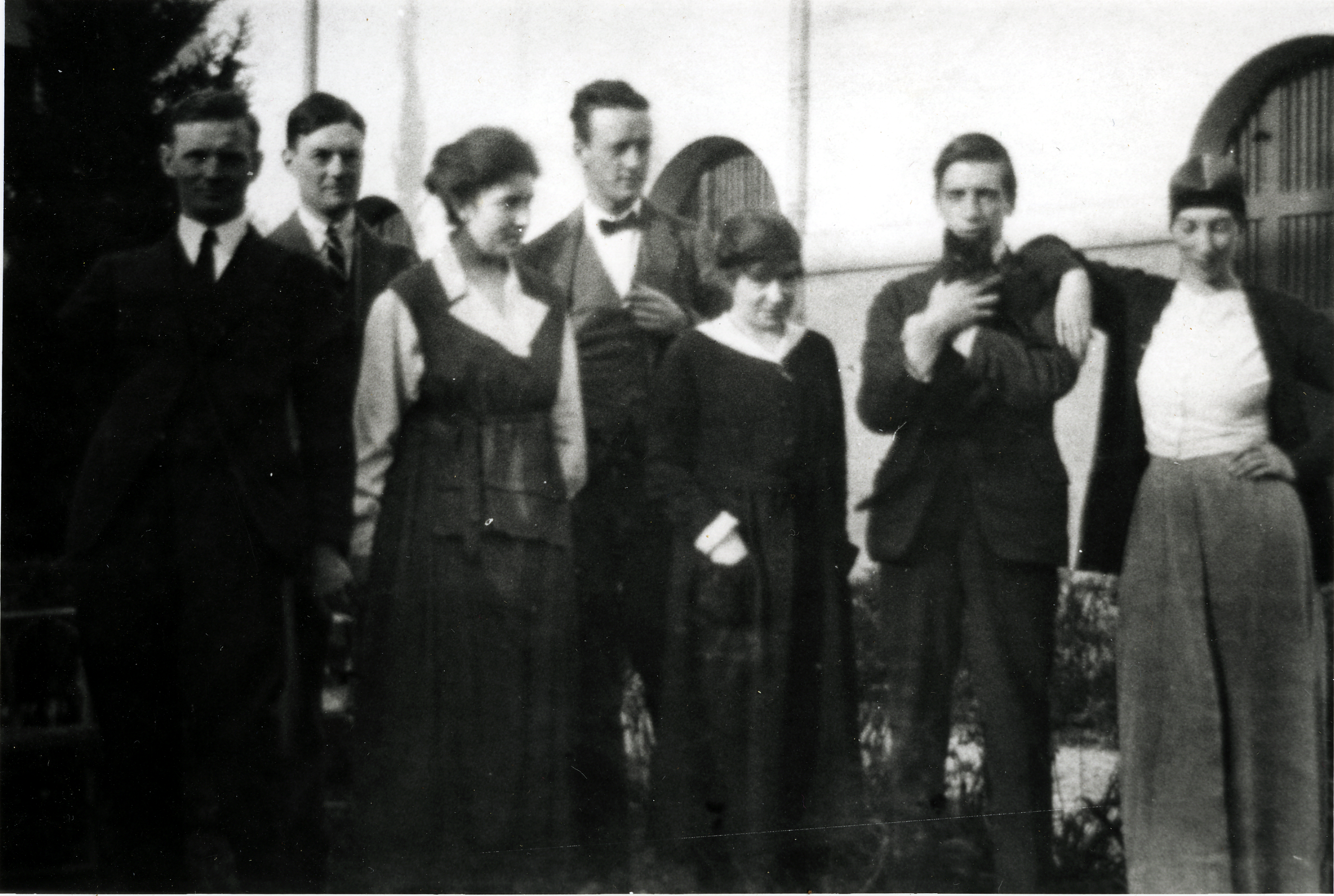
BSR group shot: from left: unknown (Job Nixon?), unknown, unknown, unknown, Alexandrina Makin, Colin Gill?, Winifred Knights, c.1920s (BSR Photographic Archive, BS Collection)
Where would you like to go next? Who would you like to meet?
Explore Winifred Knights’ materials in the BSR Fine Arts Archive
Visit Anticoli Corrado
Visit the Borghese Gardens
Meet Alfred Hardiman (1891-1949)
Meet Sir Walter Thomas Monnington (1902-1976)
Sources and Further Reading
The Marriage at Cana (1923) by Winifred Knights. Te Papa Tongarewa Museum of New Zealand: https://collections.tepapa.govt.nz/object/39515.Llewellyn, S. (2016) Winifred Knights 1899 – 1947, [Catalogue]. London: Lund Humphreys.
Hebson, N. (2014). Moda WK: Work in response to the paintings, drawings, correspondence, clothing and interior design of Winifred Knights, (an expanded legacy). London: AND Public. https://nadiahebson1.xhbtr.com/moda-wk-publication.
Decorative painting – or mural painting, as it came to be known – was experiencing something of a resurgence in the early 1900s. The BSR, influenced in part by the Slade School of Art, was a significant driver of this development, despite the fact that the Fine Arts were never the main priority of the School. It suited its subsidiary mission, secondary though it was to advance the discipline of archaeology, which was to support the creation of aesthetically pleasing public spaces. This was achieved through the three initial strands of the Rome scholarships: architecture, sculpture, and decorative painting.
Artists, though left largely to their own devices with regards to their learning, were placed in Rome with the expectation that they would absorb the classical traditions that the space embodied. The artists were not taught, but rather learnt, studying the likes of Piero della Francesca (c.1415-1492), and meeting the School’s challenging re-enrolment requirements. It was the intention of the academy that the artists would, after the conclusion of their studies, be available for public commissions.
The Marriage at Cana (1923) by Winifred Knights on display (BSR Fine Arts Archive)
It was this renaissance tradition that the British academy, not to be outdone by the French, was trying to reinvent. Eugénie Sellers Strong (1860-1943),Assistant Director of the BSR until 1925, was an outspoken advocate for the documentation of murals extant across Britain, lest the art be forgotten. She likely had in mind, too, the legacy of the scholars under her care in Rome: Colin Gill (1892-1940), J. M. Benson, Winifred Knights (1899-1947), Tom Monnington (1902-1976), A. K. Lawrence (1893-1975), R. Lyon (1894-1978), and Edward I. Halliday (1902-1984). Later Rome Scholars in painting of this period include Glyn O. Jones (1906-1984) in 1926, R. C. Brill (1902-1974) in 1927, Alan Sorrell (1904-1974) in 1928 and H. A. Finney (1905-1991) in 1929.
Unlike other artworks, murals were especially at risk of being destroyed, painted over, or moved, given their stubborn adherence to the walls of public buildings. If the tastes of the time changed, or the art was recognised as being overly political, then the ephemerality of the artist’s work would be soon realised. The main irony here, was that these works were often the artist’s most ambitious, and at the same time were the most likely to be written out of the accounts of their lives. Another pressure came from restrictions on artistic expression, given that the art had to appeal to a particular interest, especially if it adorned the walls of a parliamentary building, and be as inoffensive as possible.
The most significant failure of the BSR’s mission to educate its artists in the classical tradition, however, was that, while the artists were busily emulating the frescoes of Piero, the world around them changed. There is something romantic in this tragedy. While the Rome Scholars spent time in Rome, in a bubble of their own and shielded from the outside world, or in Anticoli Corrado, a picturesque hillside village where they could admire the elegant simplicity of ‘primitive’ Tuscan life, the world around them became more war torn, and more fascist. This is not to say that the School was unaffected by these influences. Colin Gill left the School in 1915 to join the war effort, and the School closed periodically from 1935 under pressure from Mussolini, caught up as it was in the grander disputes between Italy and Britain. The influence of this tension between the needs of the School and the broader diplomatic goals of the British state were felt when the British Ambassador in Italy vetoed the appointment of Aubrey Waterfield (1902-1944), an outspoken anti-fascist, as director in 1932. This had broader implications for the School, for Waterfield was recommended for his skill as a watercolourist, and was put forward in response to the observation that archaeologists had for too long remained the dominant force within the BSR.
Photograph of Piediluco by Tom Monnington, c. 1925 (BSR Fine Arts Archive)
This shifting political landscape was accompanied by the shifting cultural landscape. The popularity of abstraction left the Rome Scholars in decorative and mural painting torn. Sweeping electrification, mechanisation, and the eventual advent of the nuclear world undoubtedly had its influences on the world of art. The School’s committee were well aware of the impact that “extreme ‘abstract’” ideas could have on the students’ views; the appeal of an artist as director in 1932 was that they might help students steer themselves around these ideas, “which”, according to Sir William Rothenstein, “settle like microbes in the students’ brains”.
Shifting cultural tastes, with the push of traditionalism and the pull of abstractionism, had its effect on the careers of the Rome Scholars. It is perhaps no surprise that their earlier works seemed to be their most impactful: Colin Gill’s Allegro, produced in 1927, was his most celebrated, while Winifred Knights’ legacy has been defined most by The Deluge, the piece she produced to win the Rome Scholarship. Tom Monnington’s career perhaps best demonstrates this push and pull, for he was able to shift with the times, allowing himself to be influenced by geometry and wartime experience in a way that others were not, Gill’s untimely death notwithstanding.
Colin Gill in his Studio at the BSR, c.1914 (BSR Fine Arts Archive)
The confluence of these forces – the traditional against the abstract, the shifting politics against the artistic bubble – means that we are left with a collection of works that have come to define British art of the interwar period. The murals and canvas paintings these artists produced speak to the changes of the time, demonstrate their talents, and offer parallels by which we may understand our own experiences. The Rome Scholars of the 1910s and 1920s were not, after all, the first to be caught amidst these forces, nor have they been the last.
Where would you like to visit next? Who would you like to meet?
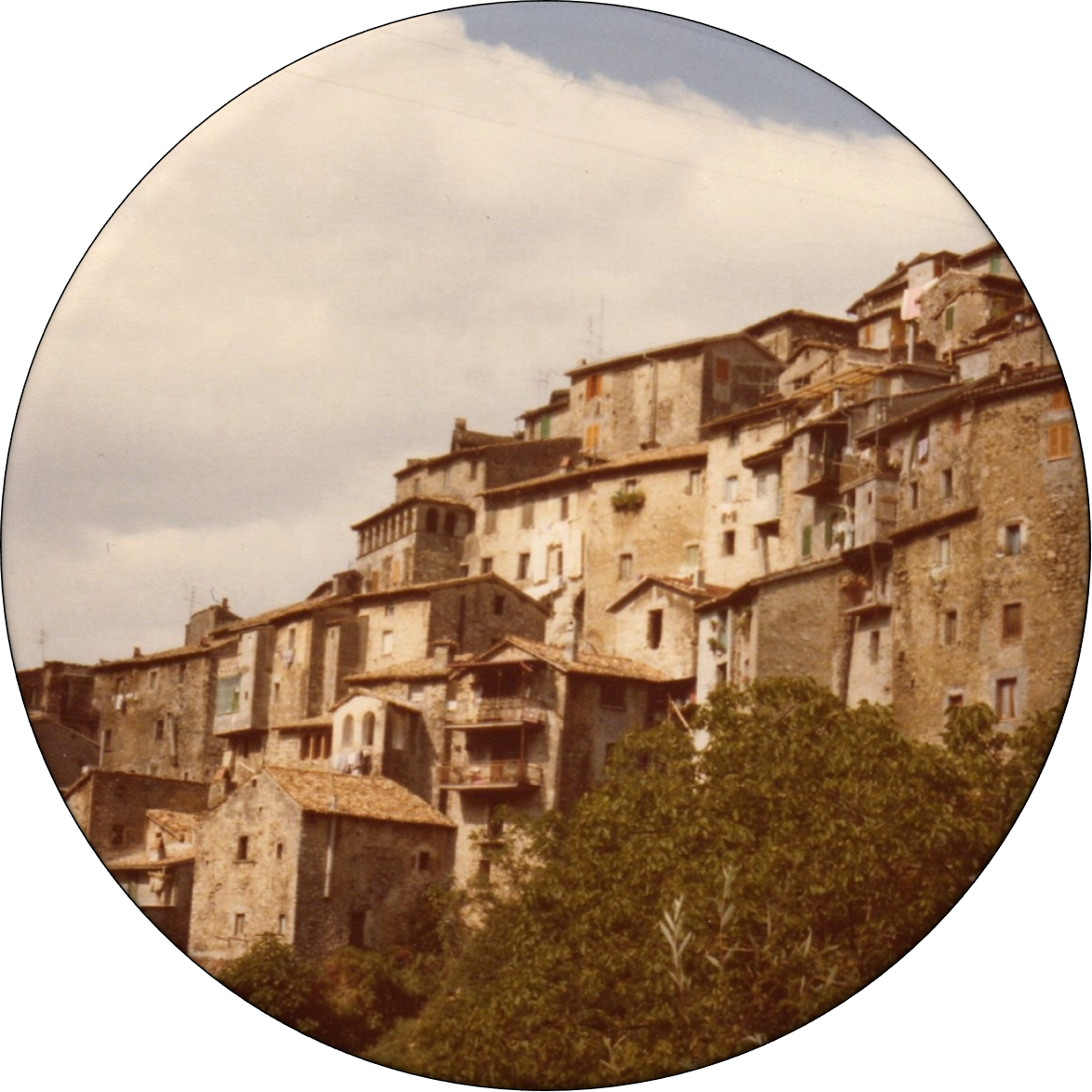
Anticoli Corrado, a hilltop village in Lazio, has a long-standing connection to the artists of Rome thanks to its picturesque scenery. It was also celebrated for its people, who were known for being particularly attractive and often served as life models for artists in Rome. The reputation of Anticoli Corrado was developed in the nineteenth century through travellers writing about the town’s features.
The artist Percy Sturdee stayed there for a short while in the 1880s, and recounted his experience in The Scottish Art Review. It was the “aesthetic indigestion” of staying in Rome, coupled with “the approaching heat” of summer that would turn “the Eternal City into a temporary bakehouse” and which made him accept a friend’s invitation to stay at Anticoli Corrado. He was aware of its reputation, and it did not disappoint. Sturdee recorded that “nothing could equal the beauty of the scene which meets your eyes on this journey … it seemed as if I were arrived into the delectable country for which lovers sigh and of which poets dream.” And it was not just the village, set as it is against the dramatic Italian landscape. So too the people:
“If a model has not been previously engaged, they are easy to find; for every one one meets is worthy, either from beauty of type or picturesqueness of costume, of being reproduced on canvas. Indeed Anticoli, with the adjacent village of Saracenesco, is the mother of all the models that flood Rome in the winter months with their goat-skins, slouch-hats, knee-breeches and red waist-coats, and that give to the steps of Trinita del Monte a character all its own. When the summer draws on, and Rome empties, they usually depart too, and (like Cincinnatus) once more return to the spade in their own country till the next winter. And many a face does one begin to meet again in Anticoli that before one had seen in the Margutta or the Piazza di Spagna. And, which is always a consideration, they will pose for you here at half the price they will demand at the capital. Whereas in Rome they will ask 5 francs a day, here they will only ask 2 francs 50.”
The town’s architecture appealed not just to painters, but to others, too, for
“Every house is a wonder for a painter, an architect, or an engineer. For a painter, for obvious reasons, for its charms of tone and quaintness of form. For an architect, because many of these, poor and filthy as they are, are veritable specimens of fourteenth and fifteenth century architecture; one, indeed, I know to be of thirteenth century construction. While, for an engineer, the continual wonder must be that they do not tumble down.”
The town’s reputation persisted into the twentieth century. Frank Hyde, writing just before the First World War, noted its popularity amongst artists and its cosmopolitan atmosphere. Hyde, arriving through the old part of town, “found fifteen or twenty artists of all nationalities already installed.” There were “writers, poets, and sculptors”; “there must have been quite fifty or sixty artists and their wives in the town”. It was similarly the people who captivated him. He noted that “a sight also worth seeing are the girls who come at this hour to the fountain in the piazza, carrying their wonderful-shaped copper pitchers, each girl waiting her turn, laughing and joking with the artists who assemble there to choose their models.” It was the perfect place for an artist to work, for
“There is no begging, no pestering the artist as at other places. Most of the painters work out of doors, painting the nude in the open air under the vines; it is very seldom that a studio is used, although they can be got at a reasonable price — say 20 francs a month … The place is so small, however, that you prefer of an evening to sit outside and drink your glass of Protto, watching the endless procession of picturesque figures pass before you.”
This was emphasised again by Martin Birnbaum, recounting his meeting there with Maurice Stern. Birnbaum writes
“Anticoli is inhabited almost exclusively by models and all the artists in Rome rely on it to supply them with inspiration. It is a strange place, characteristically Italian, full of appalling tilth and inhabitants of great beauty. The women are like goddesses, carrying water on their heads from the public fountain in shining copper vessels resembling amphorae; the goatherds are ideals of masculine strength and grace and they all maintain their charm in notoriously dirty houses, mingling with squealing black swine, cattle, poultry and innumerable half-naked bambini.”
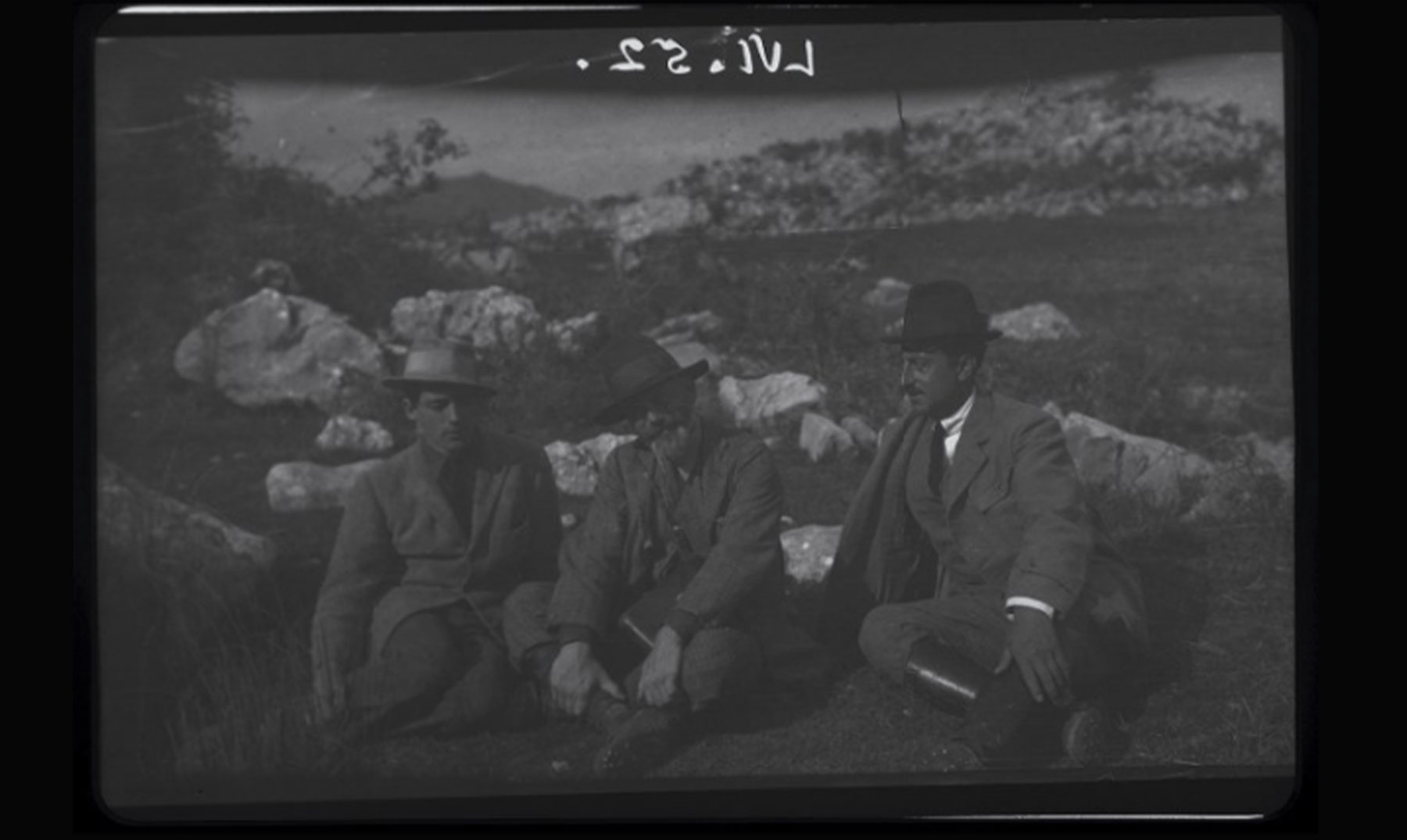
Anticoli Corrado, portrait of Colin Gill, Ducci and Helpes? sitting on the grass, 1920 (BSR Digital Collections, Thomas Ashby photographic collection, ta-LVI.052)
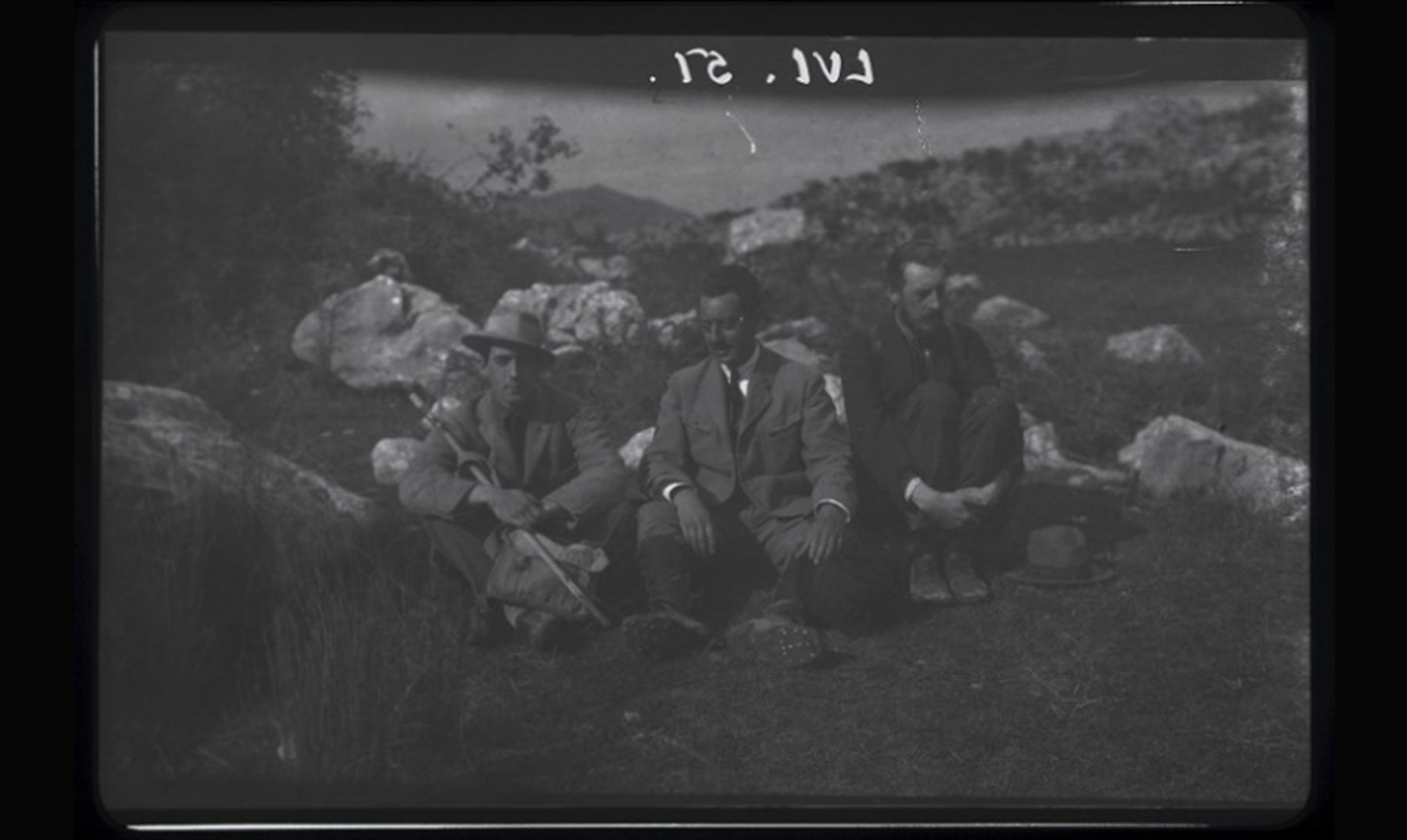
Anticoli Corrado, portrait of Colin Gill, Ducci and Helpes? sitting on the grass, 1920 (BSR Digital Collections, Thomas Ashby photographic collection, ta-LVI.051)
It was in this tradition of art and artistry that the BSR’s fellows joined. Colin Gill (1892-1940) is noted to have been the first of the Rome Scholars to visit Anticoli Corrado, embodying the tradition that the Rome Scholarship had been established to protect. There he was joined by Job Nixon (1891-1938) and Winifred Knights (1899-1947) , along with Arnold Mason (1885-1963), fellow artist and fiancé to Knights. There they enjoyed the scenery, practised their craft, and lived the Italian lifestyle, removed as they were from their comfortable British surroundings, that so many other artists had enjoyed before them. Jack Benson even married a woman from the village.
Where would you like to go next? Who would you like to meet?
Explore the Winifred Knights collection in the BSR Fine Arts Archive
Meet Colin Gill (1892-1940)
Learn more about Engraving at the BSR, 1913-1930
Meet Job Nixon (1891-1938)
Learn more about Mural Painting at the BSR, 1913-1930
Meet Winifred Knights (1899-1947)
Sources and Further Reading
James Sully, Italian Travel Sketches (London: Constable, 1912)
Percy Sturdee, “Bohemianism in Anticoli-Corrado,” The Scottish Art Review (Glasgow: E. Stock, 1888).
Frank Hyde, “Anticoli Corrado, A Town of Models,” The International Studio 47, no. 187 (1912): 219-23.
Martin Birnbaum, “Maurice Sterne,” The International Studio 46, no. 181 (1912): iii-xiii.
For a full bibliography and further reading, see here.
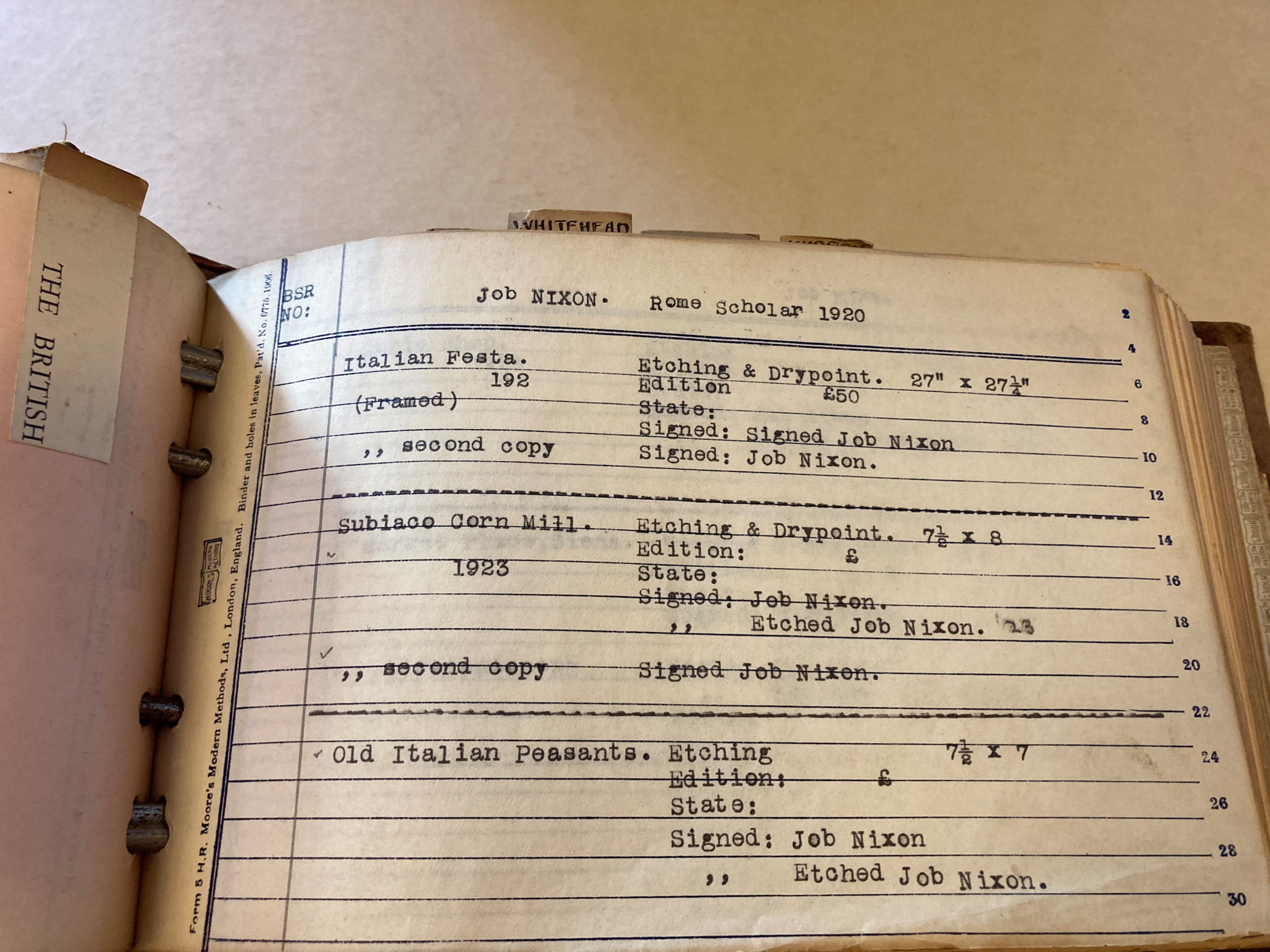
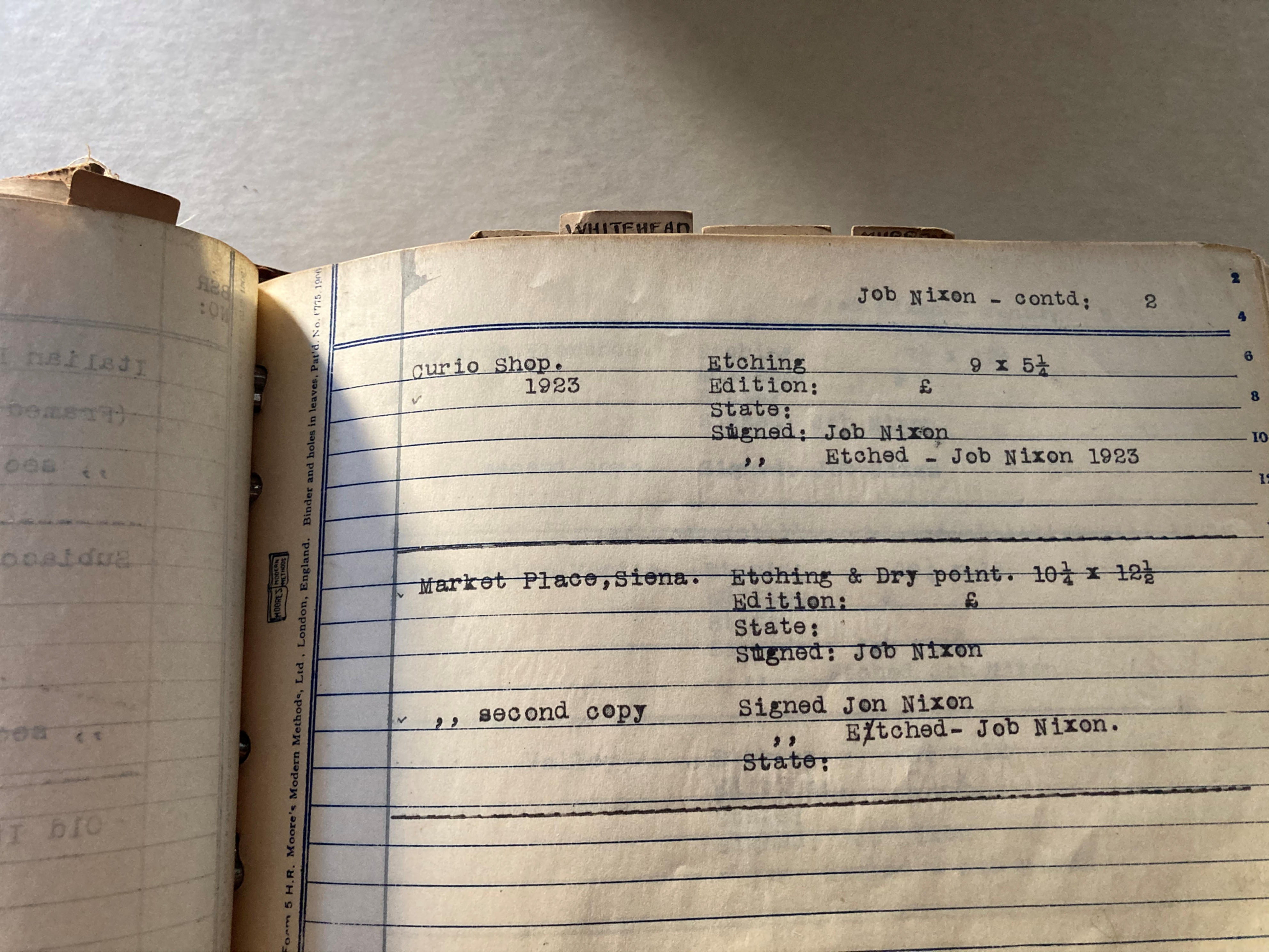
The BSR houses several records relating to the artist and Rome Scholar in engraving, Job Nixon (1891-1938). Nixon was an artist active across several mediums but was training in engraving during his time in Rome. Catalogues of his works were kept in the BSR archive, and these make note of the name of the print, its size and material. It is also indicated whether or not a piece was sold, and, if so, how much for.
Entry for ‘Job Nixon’ in the original catalogue of the Engraving Collection, 1920 Entry for ‘Job Nixon’ in the original catlogue of the Engraving Collection, 1920
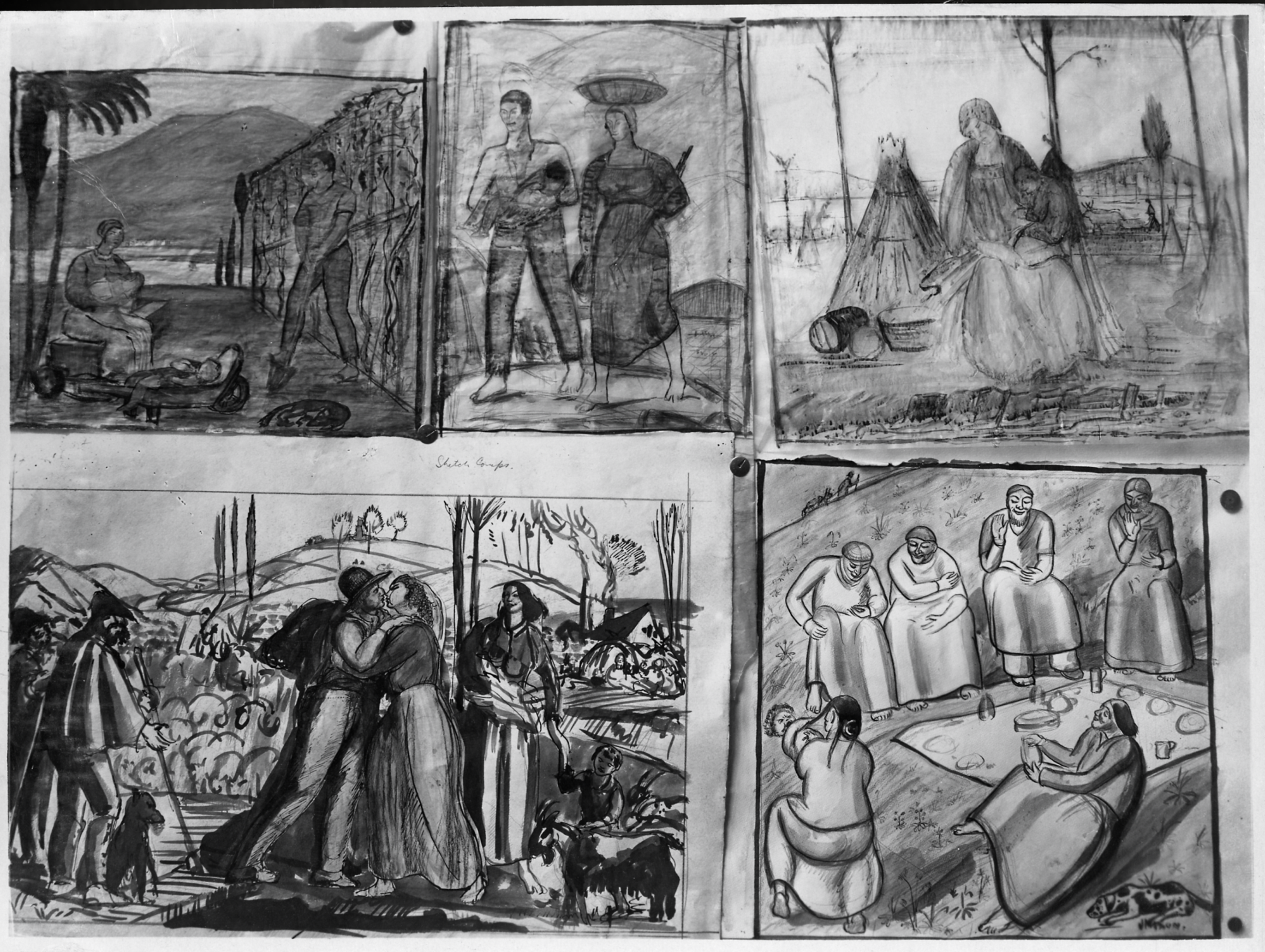
Photographs were also taken of some of Nixon’s works. This is a sketch composition created by Nixon in preparation for his engravings. It speaks to the long process of engraving, which was a delicate and skilled task. The need to make sketches as part of the design process meant that engravers had to be multi-talented. Nixon himself went on to become a renowned watercolourist, a testament to the interdisciplinary nature of engraving.
Job Nixon, sketch composition, c.1920 (BSR Fine Arts Archive)
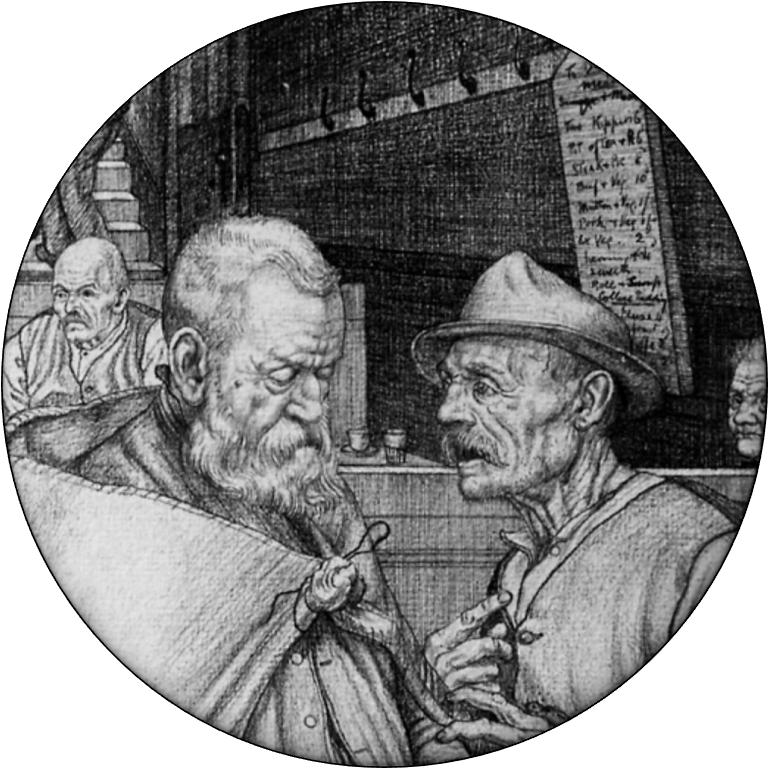
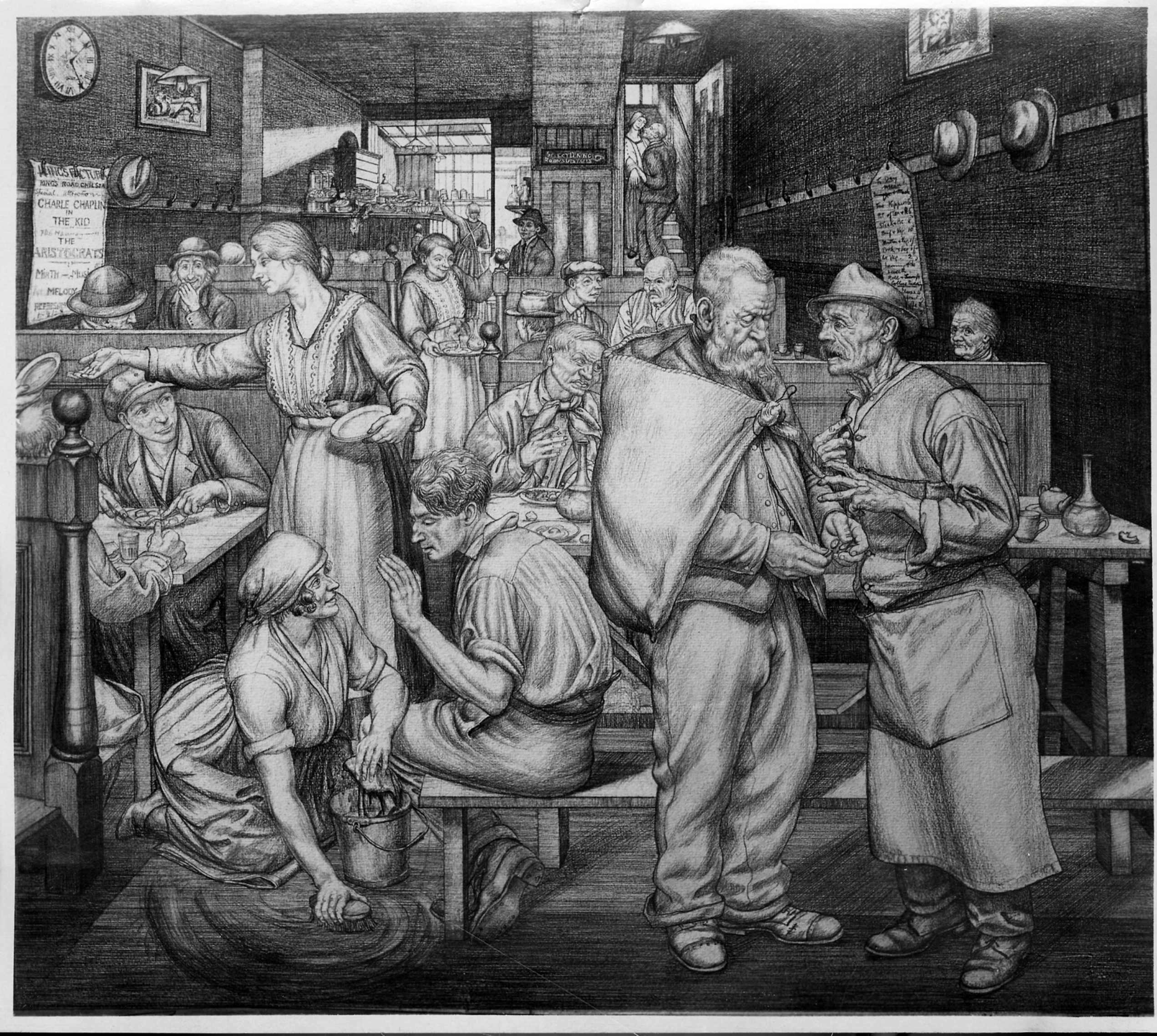
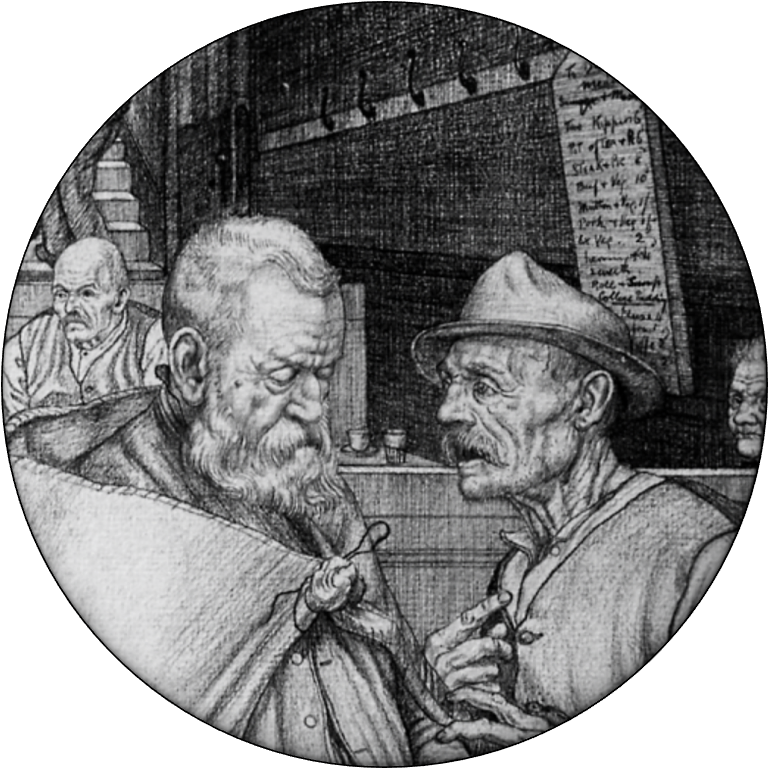
This image depicts a tavern scene. Note the intricacies of the work, with all the details of people’s hair, faces and clothes, from the figures in the foreground, to the individuals at the back, situated as if they were amidst this bustling scene. The shading and various thickness of the lines was made by varying the depth of the incision made to the metal plate upon which the paper was pressed.
Job Nixon, Tavern Scene, c.1922 (BSR Fine Arts Archive)
Where would you like to go next? Who would you like to meet?
Meet Job Nixon (1891-1938)
Learn more about Engraving at the BSR, 1913-1930
Learn more about Photography at the BSR, 1913-1930
Please click on an image to enlarge it.
Job Nixon Collection, catalogue, 1920, BSR Fine Arts ArchiveJob Nixon Collection, catalogue, 1920, BSR Fine Arts ArchiveJob Nixon, sketch composition c.1920, BSR Fine Arts ArchiveJob Nixon, Tavern Scene (c.1922), BSR Fine Arts Archive
For a full bibliography and further reading, see here.
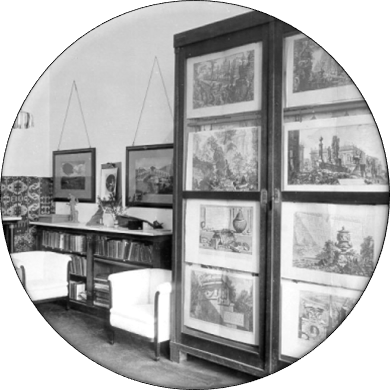
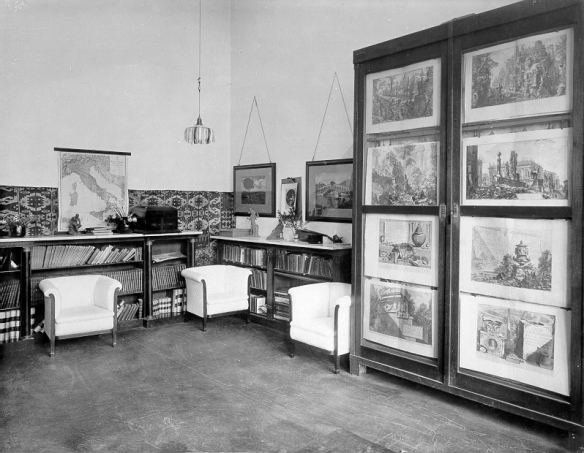
Engraving onto a metal or wooden plate is one of the oldest printmaking techniques in the world. Before the invention of photographic reproduction, engraving was especially important for the reproduction of illustrations for books, newspapers, and journals. For example, numerous engravings and etchings of the historical buildings of Rome, stored in the BSR’s Library, helped to circulate knowledge about ancient architecture around the world. Thomas Ashby (director of the BSR during 1906-1925) inherited from his father a collection of Renaissance prints, including a volume by Giovanni Battista Piranesi (1720-1778). At the time of the establishment of the Fine Arts Faculties in 1913, engraving had seen a revival beginning in the nineteenth century.
Engraving Room in the BSR, c.1920s (BSR Photographic Archive, BS Collection)
Artists enjoyed this technique as it allowed them to achieve the finest level of detailing, control over the composition and a possibility to produce multiple prints. In the BSR archive, you can find photos of engravings created by resident artists Job Nixon (1891-1938), Lilian Whitehead (1894-1959), Robert S. Austin (1895-1973), Evelyn Gibbs (1905-1991) and others. The Faculty of Engraving was established within the BSR following the end of the First World War — in 1920, with the donation of philanthropist Stephen Courtauld. From its inception, the Faculty was chaired by Frank Short (1857-1945), a prominent artist, teacher of engraving, etching and drypoint, and the revivalist of techniques of mezzotint and pure aquatint.
The Faculty aimed at providing a continuous graduate-level education to promising artists and, as a result, to revive the art scene back home by building connections to the ‘source’ of European culture and artistic craft — Rome. Most engraving scholars arrived at the BSR from Royal College of Art, but also from the Slade School of Fine Art, the Royal Academy School, the School of Art in Liverpool, Birmingham School of Art, and other institutions. One to three scholarships were awarded per year to the most successful engravers who could live and work in the BSR’s purpose-built arts studios for up to three years. Job Nixon was the first engraving artist awarded the scholarship in 1920. He was followed by Lilian Whitehead and R. S. Austin in 1922. Later in the this period the prizes went to Charles Murray (1894-1954) in 1923, William E. C. Morgan (1903-1979) in 1924, Edward B. Hoyton (1900–1988) in 1926, Frederick G. Austin (1902-1990) in 1927, E. S. S. Jones in 1927 and the third women winner of a Rome Prize at the BSR, Evelyn Gibbs in 1929. The Rome Prize for Engraving later was renamed as a prize for printmaking.
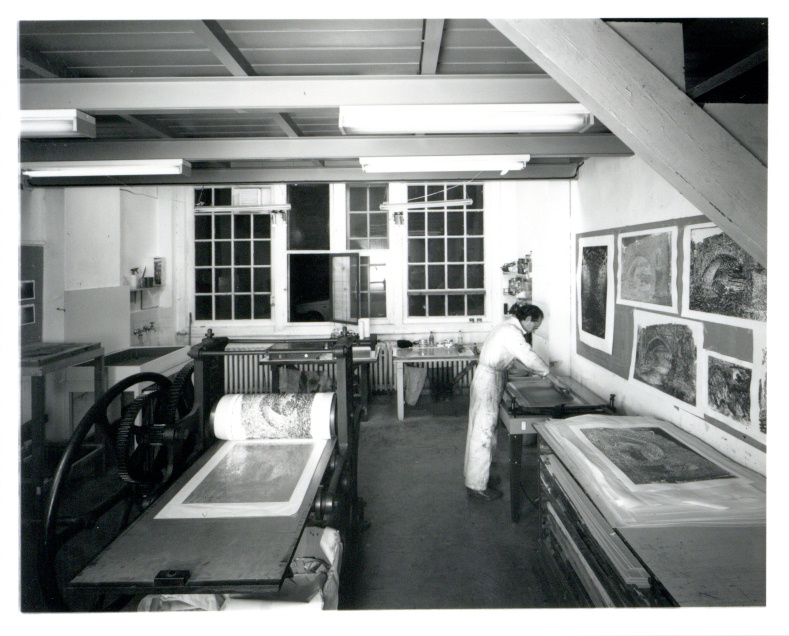
Paul Hawdon in BSR Print Making Studio 1989 (BSR Photographic Archive, BS Collection)
The BSR’s engravers produced numerous studies of Roman architecture, but also travelled outside of the ancient capital with the fellow painters to find subjects for their work in the countryside. The area of Anticoli Corrado, for example, was especially popular thanks to its scenery and local community.
So how exactly is an engraving made? Firstly, the design is incised into a metal plate or a block of wood by hand. To do this, an artist uses a burin — a delicate chisel with a small diamond-shaped tip. Incised grooves can be deep or shallow, applied at various angles and with different density. This allows the artist to control the amount of ink that the plate will hold during printing. Burins of different sizes can be used to adjust the hatching by adding finer lines, dots and strokes. After the design’s incision is complete, the plate’s surface is inked and wiped with a starched cheesecloth. Now the plate is ready for printing. While it is possible to produce a print by manually pressing the paper against the plate, most professional engravers roll dampened paper placed on top of the inked plate through the mechanical press to apply pressure evenly. The resulting image on paper produces a reverse impression of the incised design. Plates wear out with each printing, so it is possible to create only a limited number of prints. Each engraving made from the same plate is referred to as an ‘edition’.
Click here to see the process of making a contemporary wood engraving by the BSR Alumna Anne Desmet.
Where would you like to go next? Who would you like to meet?
Meet Lilian Whitehead (1894-1959)
Visit Anticoli Corrado
Meet Job Nixon (1891-1938)
Sources and Further Reading
Griffiths, A. (1996) Prints and Printmaking: An Introduction to the History and Techniques, London: British Museum Press.
Job Nixon (1891-1938) was skilled in oil and watercolour painting, but is remembered principally for his expertise in etching and engraving. He studied at the Royal College of Art and the Slade School of Fine Art before winning the Rome Scholarship in Engraving that entitled him to a three-year stay at the British School at Rome, which he took up from 1920 to 1923.
While in Italy, he stayed with his fellow scholars Colin Gill, Jack Benson, and Winifred Knights at Anticoli Corrado, a hill village in Lazio, which had a long-standing connection to the artists of Rome thanks to its picturesque scenery. Several engravings of the time show his appreciation for the village’s dramatic placement as it was set into the Italian hillside. The records that he left at the BSR show also his appreciation for the Italian people, with sketches and engravings portraying love and life in Italy’s towns and countryside, including a studious and detailed engraving of a busy restaurant. His later works show how he carried this experience with him, with further etchings, engravings, and drypoints showing Rome, Florence, and Subiaco, and others from visits to France. His works also reveal his connection to other artists also studying in Rome at the BSR. One engraving of the Temple of Venus and Roma in Rome, for example, depicts Winifred Knights sketching the world around her. Nixon is similarly noted to have served as a model for her.
Following his stay in Rome, he taught at the Engraving School at the Royal College of Art, before transitioning into watercolours. He became a member of the Royal Watercolour Society in 1928 and exhibited with them frequently. Though these reflected his training in engraving, some were particularly well-received. He moved to St Ives for a spell, briefly running a painting school, before returning to London to teach at the Slade in 1935. He died soon after in 1938 at 47. During his lifetime he was prolific in his work, and his paintings and engravings are now widely distributed across a number of art galleries and public collections.
Where would you like to go next? Who would you like to meet?
Explore the Job Nixon Collection in the BSR Fine Arts Archive
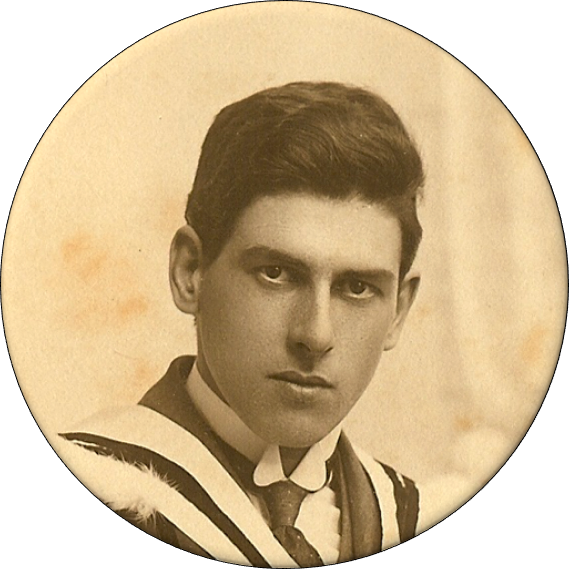
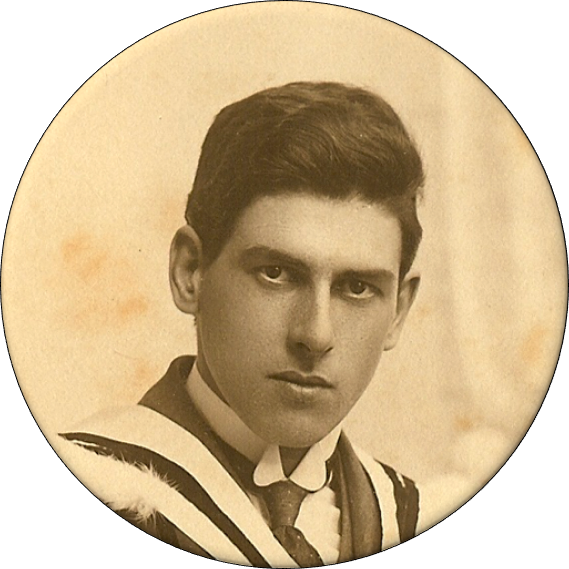
The son of fishmonger, Henry, and mother, Annie Louisa, Frederick O. Lawrence (c.1893-1971) was born and brought up in Liverpool in the north west of England. In 1913 Lawrence received a Certificate from the Liverpool School of Architecture, and was called to military service with the onset of the First World War. He served as a corporal in the Royal Engineers, spending some time in Egypt during the campaign. In May 1920 he was awarded the prestigious Rome Scholarship in Architecture, the first post-war award, for his competition entry to design the Houses of Parliament for a British colony.
The BSR’s Archive holds press clippings and letters documenting Lawrence’s admission. His proposal for the design of Courts of Justice was appreciated by the jury who supported references to classical tradition and highly developed draughtsmanship skills. Lawrence joined the BSR community, along with other recipients of the Rome Scholarship of 1920, such as engraving scholars Lilian Whitehead (1984-1959) and Job Nixon (1891-38).
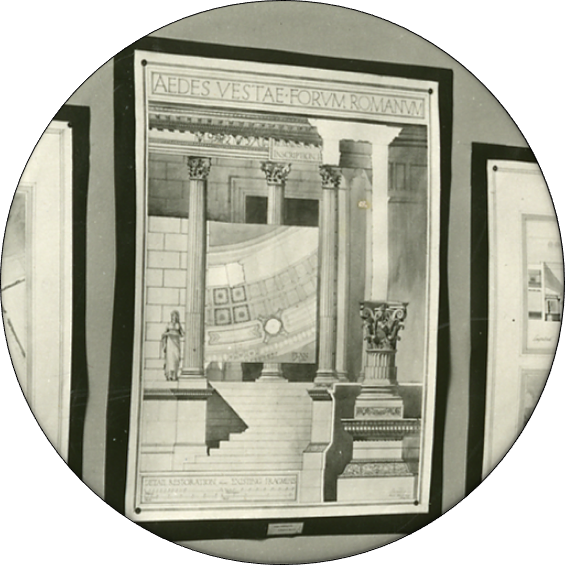
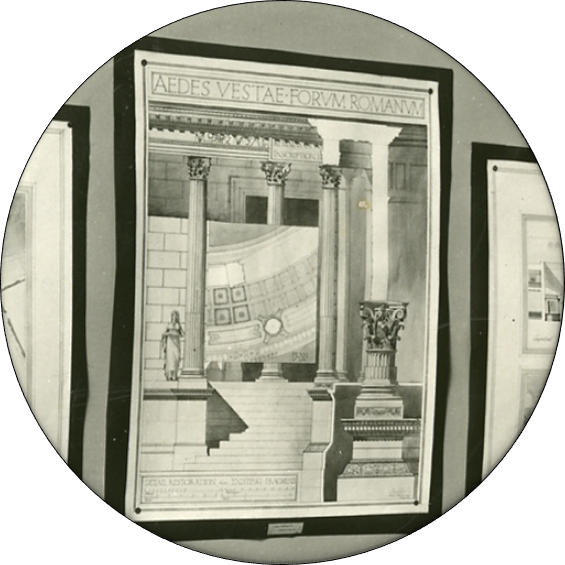
In the BSR Archive, one can leaf through multiple studies of classical Italian architecture produced by Lawrence during his residency. In particular, the attention of the architects were directed towards the restoration of buildings in Ostia, the former thriving port city of ancient Rome and a site of ongoing archaeological excavations since the beginning of the nineteenth century. His field trips and studies of Ostia’s buildings resulted in a series of drawings which he called Ostia: From the Capitol to the Tiber. In one of the drawings, we can see focus fixed on the ‘actual’ ruined state of the Capitol and the restoration proposal with the elevation to the river Tiber. Other drawings show the proposal for the general plan, restoration of Ostian historic houses, the Bazaar, and the historical storage building Horrea Epagathiana et Epaphroditiana. You can learn more about the approach to architectural practice at the BSR’s Faculty of Architecture in the Architecture at the BSR page.
After completing the Rome Scholarship, Lawrence joined architectural practice Bradshaw, Gass & Hope before leaving in 1925 to take up a post with Edmund Kirby & Sons, a firm whose founder was renowned for his designs for Roman Catholic churches. Fred spent his life in Liverpool and continued to work in private practice until his death in 1971.
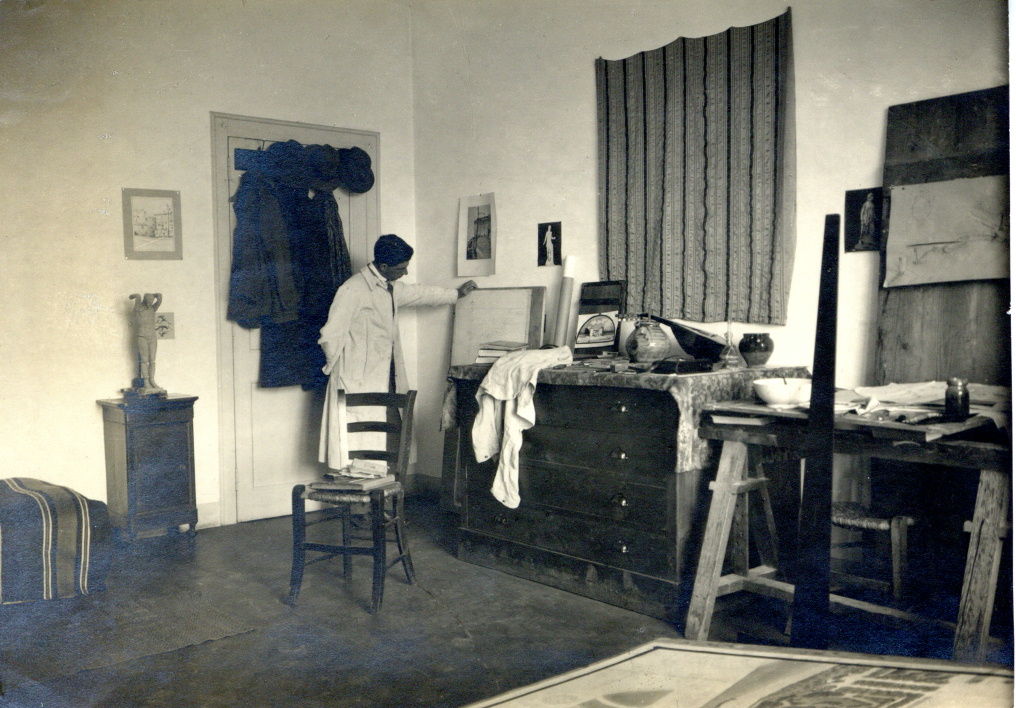
F Lawrence in Studio, 1920s (BSR Photographic Archive, BS Collection)
Where would you like to go next? Who would you like to meet?
Explore the Frederick Lawrence Collection in the BSR Fine Arts Archive
Learn more about Architecture at the BSR, 1913-1930
Meet Lilian Whitehead (1894-1959)
Meet Job Nixon (1891-1938)
Meet Winifred Knights (1899-1947)
For a full bibliography and further reading, see here.
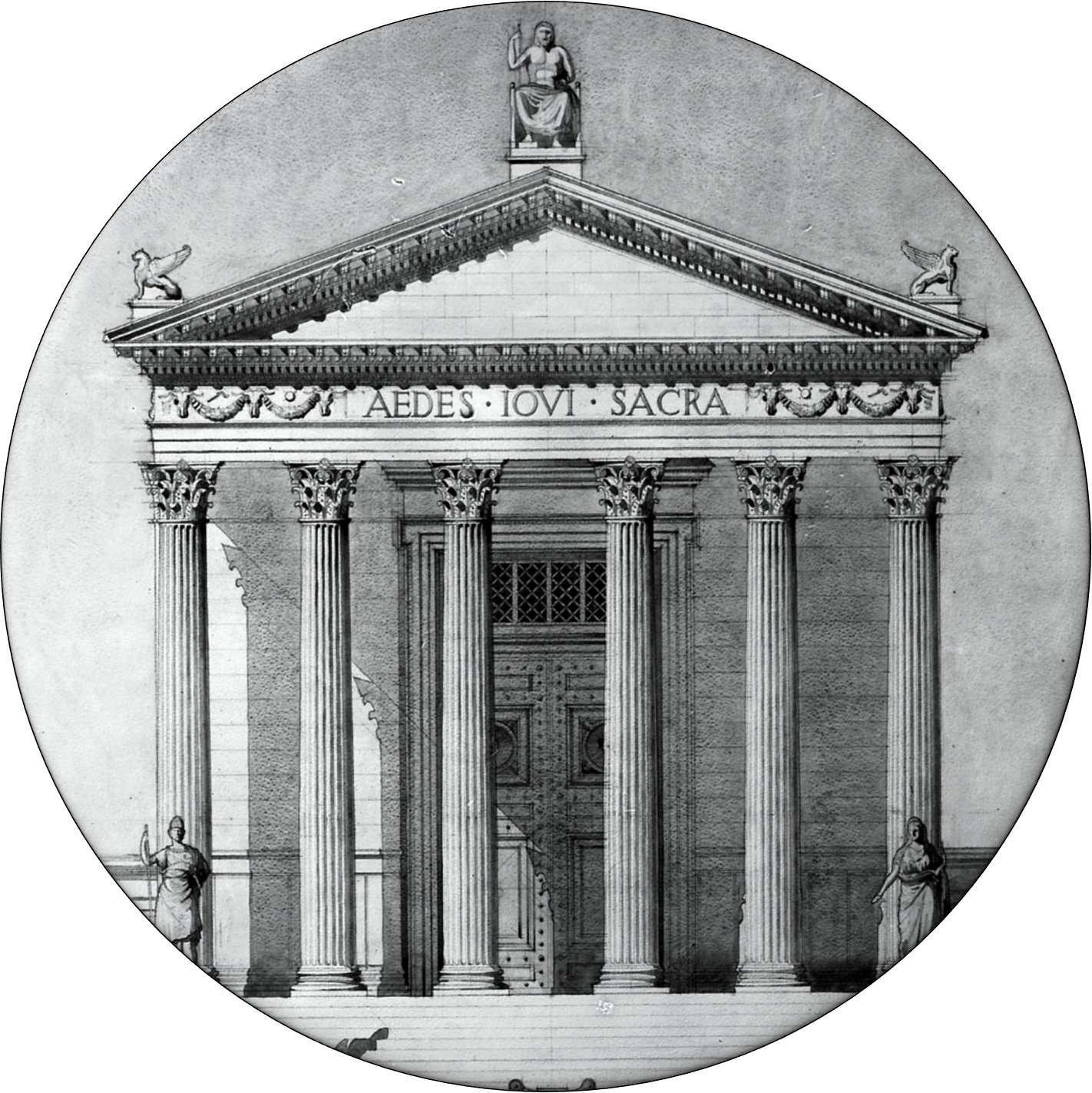
Frederick O. Lawrence (c.1893-1971), like the other architects at the BSR, worked in the genre of restoration drawing. Their practice involved studying the Roman buildings and archaeological remains that surrounded the Scholars in their residency and proposing a vision for their restoration.
One of the major tasks that the Rome Scholars in Architecture were expected to complete during their tenure was designing a restoration project for an ancient part of Rome or other Italian cities. In the absence of computers, architects honed their draughtsmanship skills. They scaled the building’s measurements down to a drawing working with simple tools such as a scale ruler, a compass, a T-square, and a drawing board. Lawrence’s project involved a restoration of Ostia, the ancient port of Rome. Lawrence envisioned redesigning it in the classical style, as if it were to be restored to its former glory.
Where would you like to go next? Who would you like to meet?
Meet Frederick Orchard Lawrence (c.1893-1971)
Learn more about Architecture at the BSR, 1913-1930
Learn more about Photography at the BSR, 1913-1930
Please click on an image to enlarge it.
For a full bibliography and further reading, see here.
We use cookies to ensure that we give you the best experience on our website. If you continue to use this site we will assume that you are happy with it.